


POP
Naomi Scott Tells Jessie Ware Why She’s Ready to Take the Stage


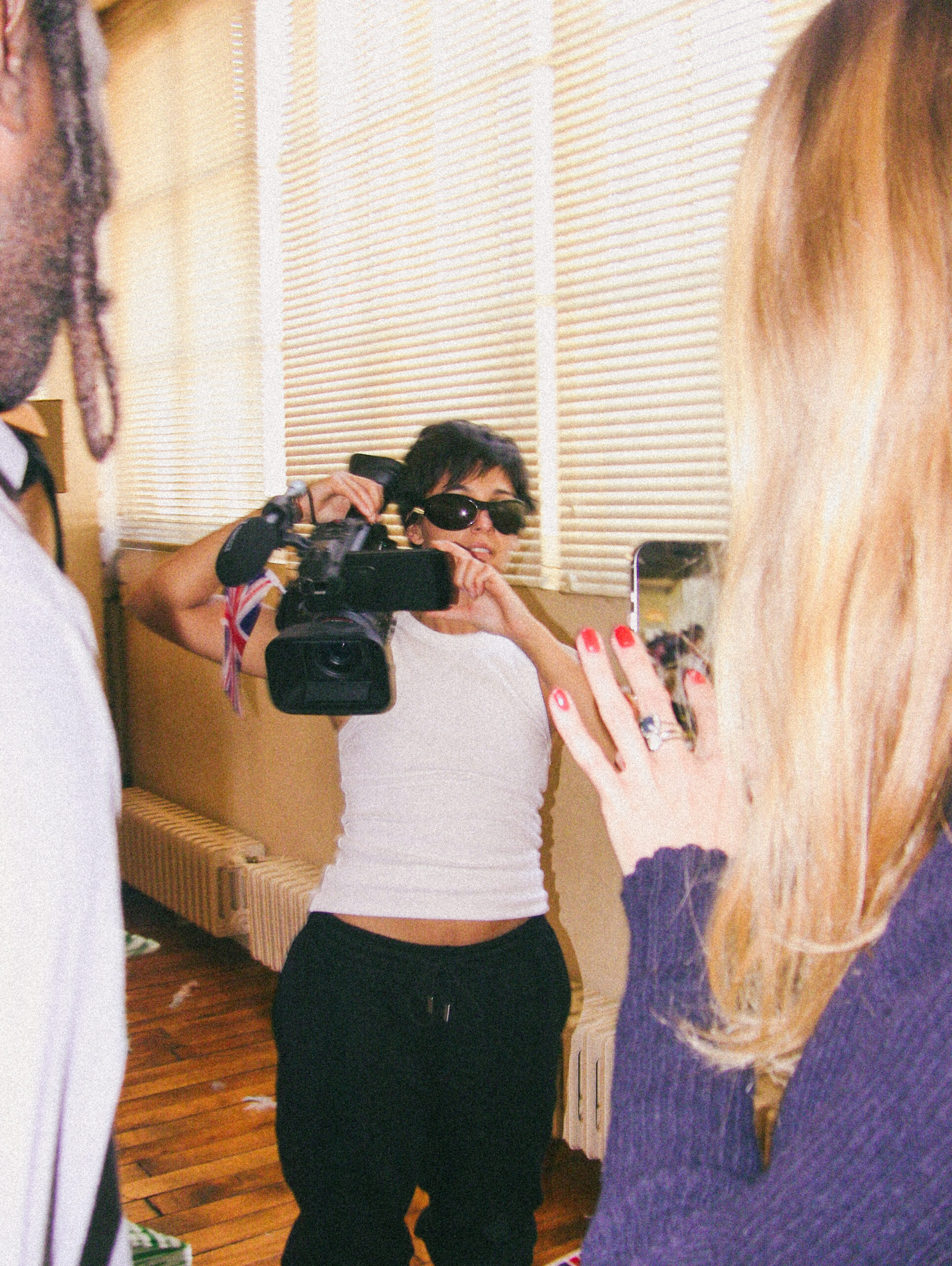
All photos courtesy of Naomi Scott.
Despite having a mega career as a child star, Naomi Scott feels like she still needs to earn her stripes. At just 17 years old, the British actor and singer first won Gen Z over for her role as Mo in Disney Channel sleeper hit Lemonade Mouth. The film was regarded as High School Musical for outcasts and has lived on in cultural resonance since its premiere. Now, after a steady stream of Disney blockbusters like Aladdin and horror hits like Smile 2, Scott is ready to return to her first love, music. Her debut record F.I.G. is sexy, soulful, and sophisticated, but most importantly, it was created on her own timeline. While in Marrakesh on a top-secret project, Scott hopped on a Zoom call with her friend and fellow pop diva, Jessie Ware, who knows a thing or two about marching to the beat of her own drum. Below, the pair dish on budget music videos, The Bell Jar, and Scott’s reintroduction to the world.
———
JESSIE WARE: So, you’re in Marrakesh, but we’re not allowed to say why because you like to keep it exciting.
NAOMI SCOTT: You know me. I don’t like anyone knowing anything about me.
WARE: That’s what I love about you, Naomi. Can we talk about how the first time we met was at a Vogue BAFTA party?
SCOTT: Very bougie. These things are varying degrees of fun. Sometimes they’re amazing, sometimes they’re not.
WARE: And for me, who’s a person that likes to be in bed by 10 with my ashwagandha and magnesium—I’m there and everyone is rolling in and this beautiful girl just starts singing in my face. This is right after I’d accidentally spilled a bit of drink on Lily-Rose Depp, and she’d looked at me being like—
SCOTT: I need to clarify that I went up to Jessie like, “Oh, my gosh, it’s Jessie Ware.” It was a very inspirational moment for me. You can be in a room with lots of famous people, but when you have a personal connection to someone’s art, that’s a different thing.

WARE: So, this beautiful, young, exciting thing is coming up to me. I was like, “This girl is unlike many other people that are usually at a fashion party and I like her.” And then we proceeded to get each other’s numbers and be in touch. From that moment where you were talking about wanting to make music, you’d be like, “Would you listen to something?”
SCOTT: One hundred percent.
WARE: It was really beautiful to see. You were having this moment in the spotlight with Aladdin, but you decided to go, “Cool, I can act and I can do the beautiful cover girl things, but actually I really want to do music and I’m going to do it my own way.”
SCOTT: We can finish this interview, guys. I’m so good. [Laughs]
WARE: No, but I do need to ask you some questions. When did you get up and sing for the first time?
SCOTT: Oh, my gosh. This is like seven years old at church vibes. I grew up on gospel music. The albums that my mom would get me were from Mary Mary, Kirk Franklin, Kim Burrell, and all these amazing vocalists.
WARE: Is that how you learned to riff?
SCOTT: Yes, 100 percent. I’m sure you had this too where you just mimic. So that, in turn, starts to exercise your muscles. I had my first ever public performance at our church during summer. There was a vocal coach and I sang Aretha Franklin’s “Say a Little Prayer.” I was 11.
WARE: Did it go well?
SCOTT: Yes. I remember being like, “Oh, yeah, I can sing.” I always knew music was my first love and I always knew I wanted to pursue it. There was also a community event at the local Baptist church. And we had Kéllé Bryan coming who was in the band Eternal.
WARE: Oh my god.
SCOTT: And so I sang “If I Ain’t Got You” by Alicia Keys. Afterwards, Kéllé was like, “Do you know what? I have a little theater agency. I know you can act.”
WARE: So Kéllé Bryan of Eternal got you into acting?
SCOTT: Correct. She was my first agent. She is the person who “discovered” me.
WARE: I love that. It makes so much sense. Your parents must have felt quite safe because she had faith and she was—
SCOTT: Exactly.
WARE: Can I ask you, are we calling it F.I.G, not F-I-G?

SCOTT: Correct. Yes, F.I.G.
WARE: But it’s got dots in it, hasn’t it?
SCOTT: Yeah, because the acronym is Fall Into Grace. Grace is my second name, so there’s a few meanings. Number one is the good old classic The Bell Jar by Sylvia Plath, which is basically the only novel that she wrote.
WARE: Yeah.
SCOTT: So, it’s just before the pandemic, and I’m going through a 27-year-old life crisis. I got married young.
WARE: How old were you?
SCOTT: I was 21.
WARE: Oh, wow.
SCOTT: Yeah, I know. When I meet 21-year-olds now I’m mind-blown that I got married at that age.
WARE: No, but let’s talk about your gorgeous, charming, brilliant husband, who is fantastic.
SCOTT: He’s pretty sick.
WARE: We share that. We were both with our childhood sweethearts.
SCOTT: Exactly.
WARE: Does that make us weird people or does that make us true romantics?
SCOTT: There’s just no one way. This is what the album is about. What I came to realize was I hadn’t properly mourned the other versions of my life. And so although that doesn’t sound like the most romantic thing, it’s quite beautiful because it’s real. In the novel, the character has a dream and she’s sitting at the foot of this fig tree and all the figs represent different versions of her life.
WARE: Wow.
SCOTT: And she was so fearful of making the wrong choice that all these figs plop to the ground and die as she starves to death. I just felt it so profoundly in this day and age.
WARE: It’s interesting what you were saying about how everyone is mourning the loss of what they don’t have.
SCOTT: We’re all mourning that we can only be one human being.
WARE: Well, I’ll tell you what you do. When you feel like you’re mourning, maybe you get your husband to give you attention, you get James Norton to be a cowboy in your music video [Laughs].
SCOTT: Let’s go, “Ride”.
WARE: Have a day on a farm with him and then it’s quite fab. I want to ask you about F.I.G because it’s beautiful and so accomplished. You sent it to me about a year ago and I remember walking through New York listening to it.
SCOTT: It means I trust you, because obviously you know what it’s like when you’re sending music and you’re like, “Please don’t judge.”
WARE: You’ve done exactly what you set out to do, and that’s why you are such an interesting pop star. You don’t laude attention and press and you have this incredibly stable, beautiful family. You take risks in your sonics and your melodies and your words and you sound brilliant. Also, let’s talk about the fact that in every music video—you’re doing this independently, aren’t you?
SCOTT: Yes, which was very key. We can get into that. This next music video, when I send it to you, I’m going to tell you how much it cost and you’ll literally be like, “What?”
WARE: Am I going to be jealous that you made it for so cheap?
SCOTT: Oh, yeah.
WARE: You’re very savvy. You have a production company with your husband, and maybe that’s why you and I understand each other. We try different things, we take risks.
SCOTT: 100 percent. Did you come up with that idea with James Norton being in “Ride”?
WARE: I basically wanted to objectify a really beautiful man.

SCOTT: That was such a good choice as well.
WARE: Thank you. It was all shot on film with Kodak. Because it’s quite like a filthy song, and so I wanted to elevate it in a cinematic way. Also, it’s The Good, the Bad, and the Ugly, so I was like, “This needs to feel like a film.” But I didn’t actually think I was going to be in it as much as I was. I was like, “Yeah, you’re going to ride the horse and you’re going to look really hot.” But then there’s me with my finger in his gob.
SCOTT: You know when you see your friend and you just sense them owning their sexiness? I just love it. A person becomes sexier when they’re feeling sexy.
WARE: I do feel sexy.
SCOTT: The way you came into this call with your boobs out. You were like, “I’m sorry. I’m in a fitting.”
WARE: I’m sorry. But my aspirin is on an ironing board, Babe. They’re not exactly bosoms. [Laughs]
SCOTT: Both of us, Babes.
WARE: But let’s talk about the album a bit more. You’ve funded this, you’ve done it your own way. It couldn’t be further from Princess Jasmine.
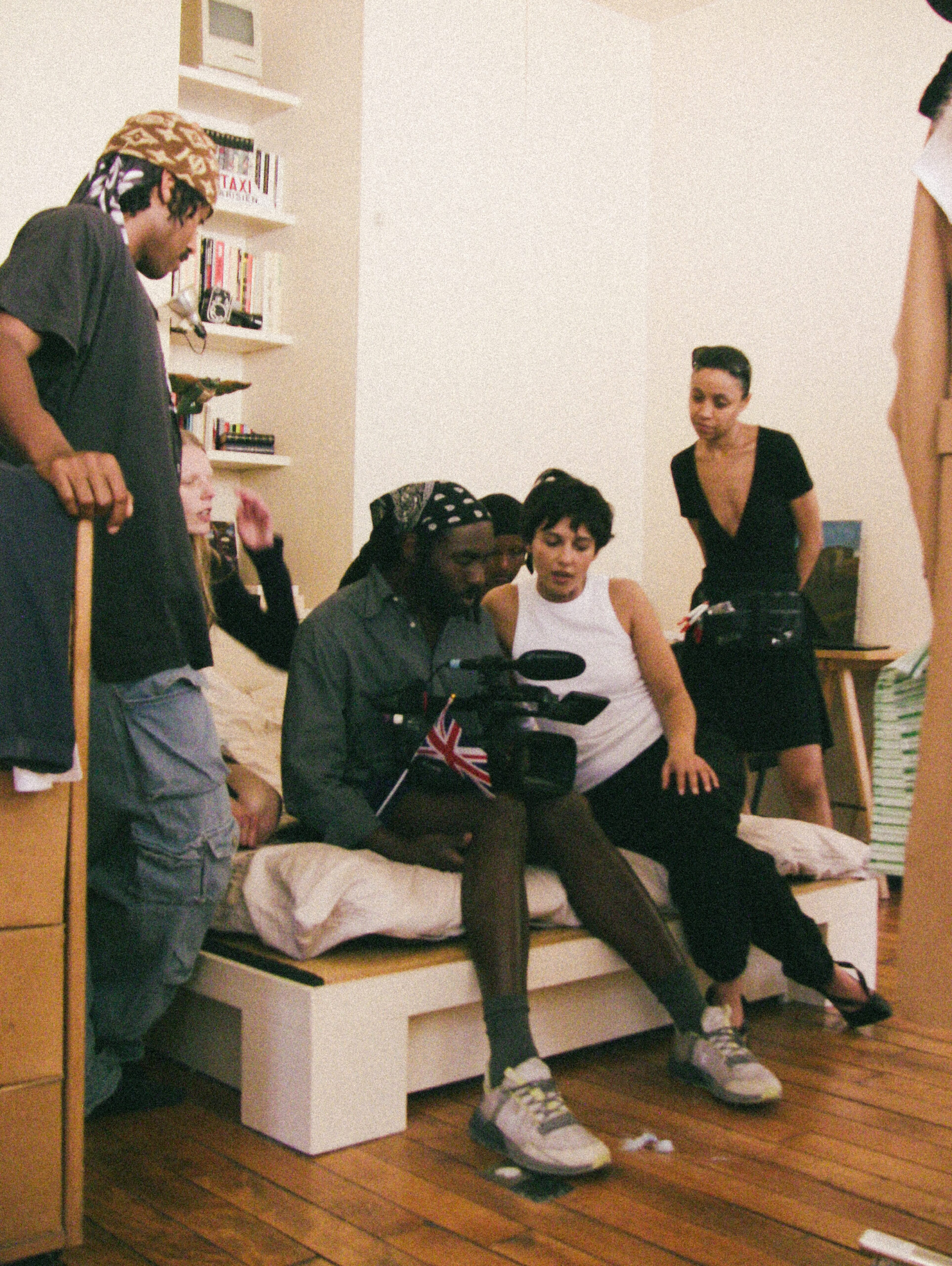
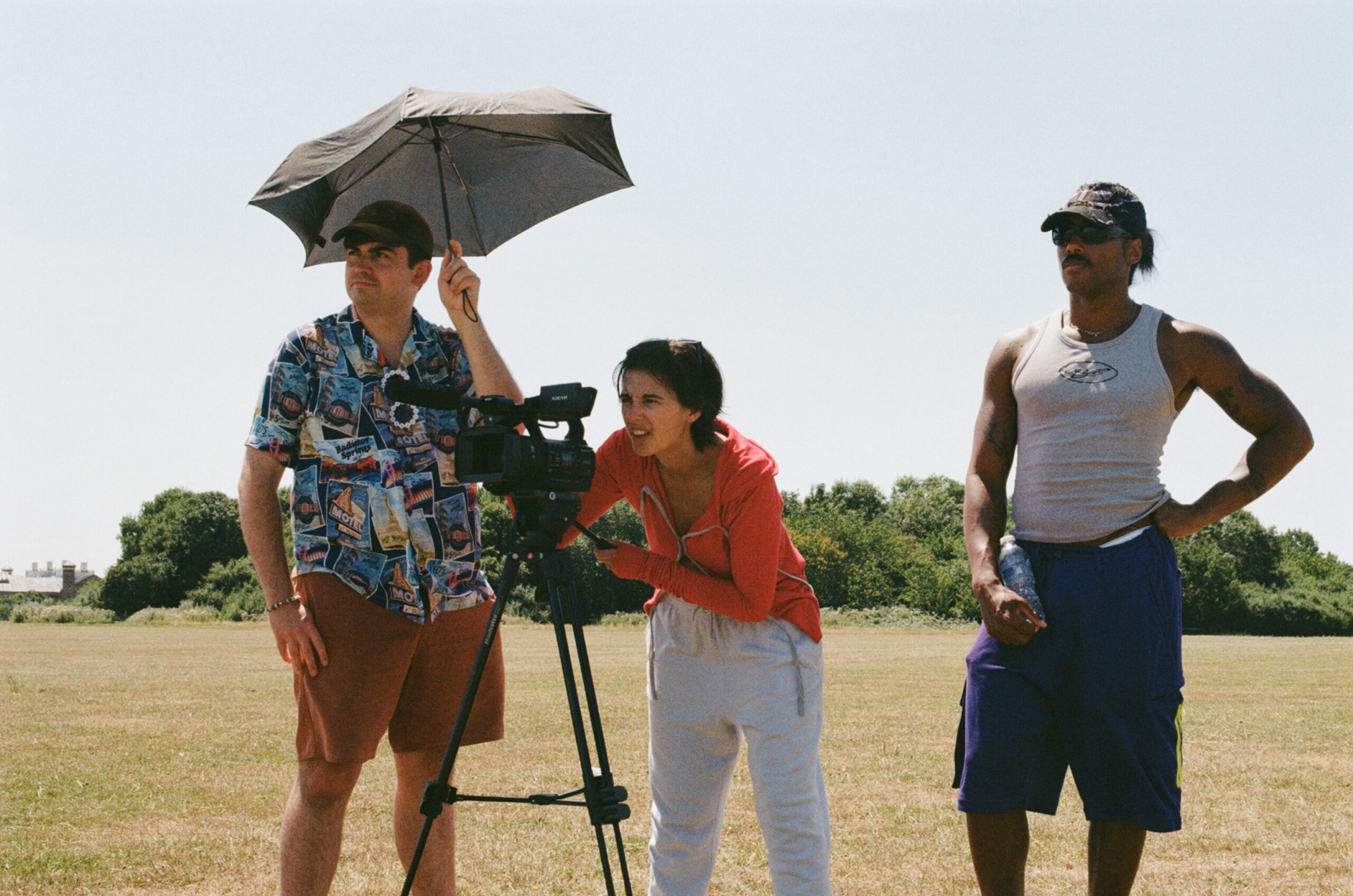
SCOTT: I can’t see how it would’ve worked the other way. I directed “Cherry” is because I couldn’t afford a director. The “Gracie” music video, we shot on 35mm.
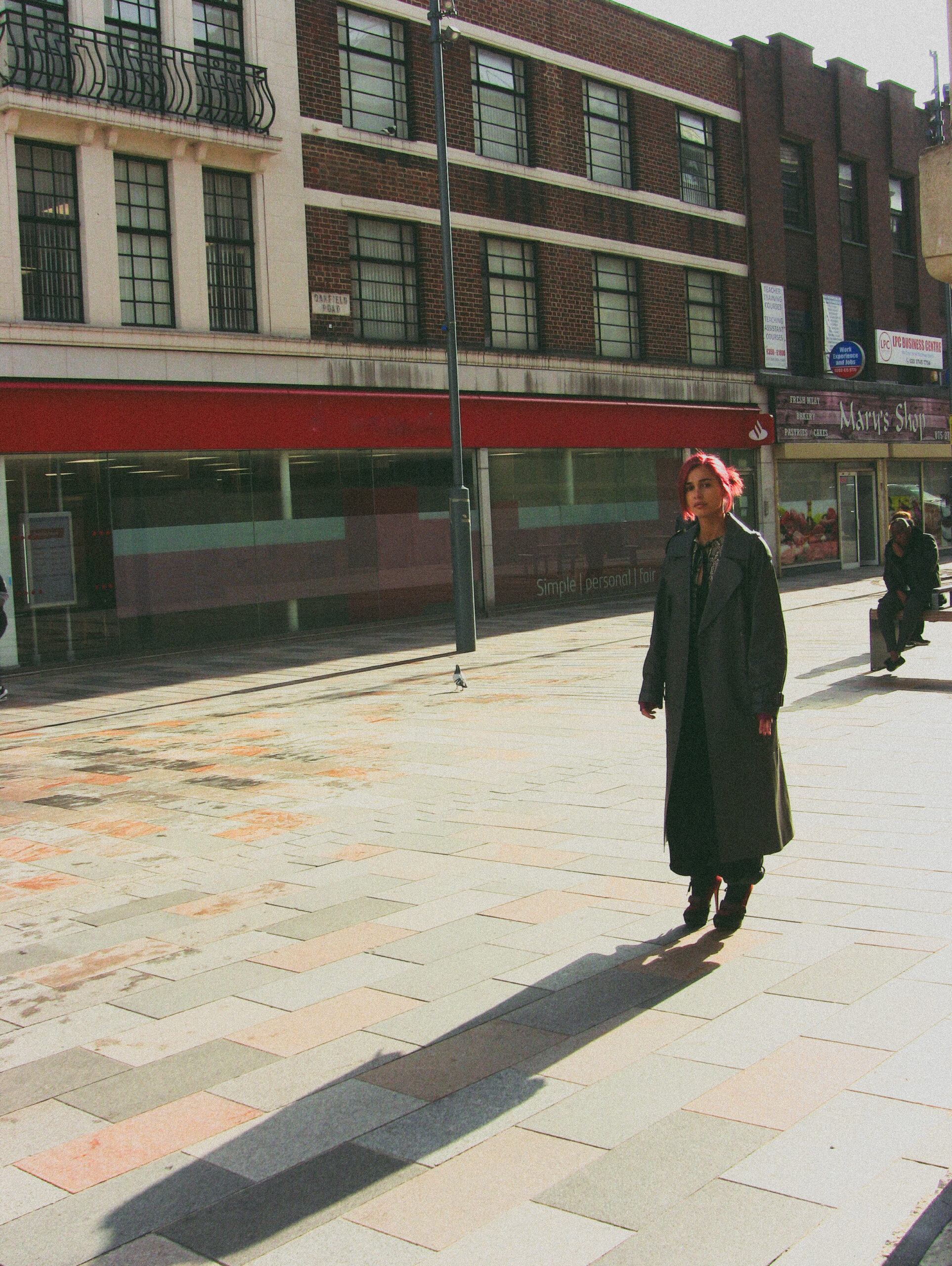
WARE: Is the one you shot on Ilford High Street?
SCOTT: Yes.
WARE: I was getting TikToks about being spotted. And you’re walking down doing your dance.
SCOTT: Yeah, I’m getting weird. It’s weird dancing.
WARE: You are nailing it and everyone’s watching you, but you’re on a pedestrianized shopping street in Essex.
SCOTT: We didn’t have the budget to lock off the street. We got to lay a track down in Ilford because no one shoots in Ilford. I met my choreographer for the first time the day before, and just had to roll with it. But, sometimes limitations breed a creativity that brings freshness. Sometimes it’s harder when you have all the resources in the world. For example, with the “Cherry” video, my intention was nostalgia, summer, British—
WARE: Bend It Like Beckham.
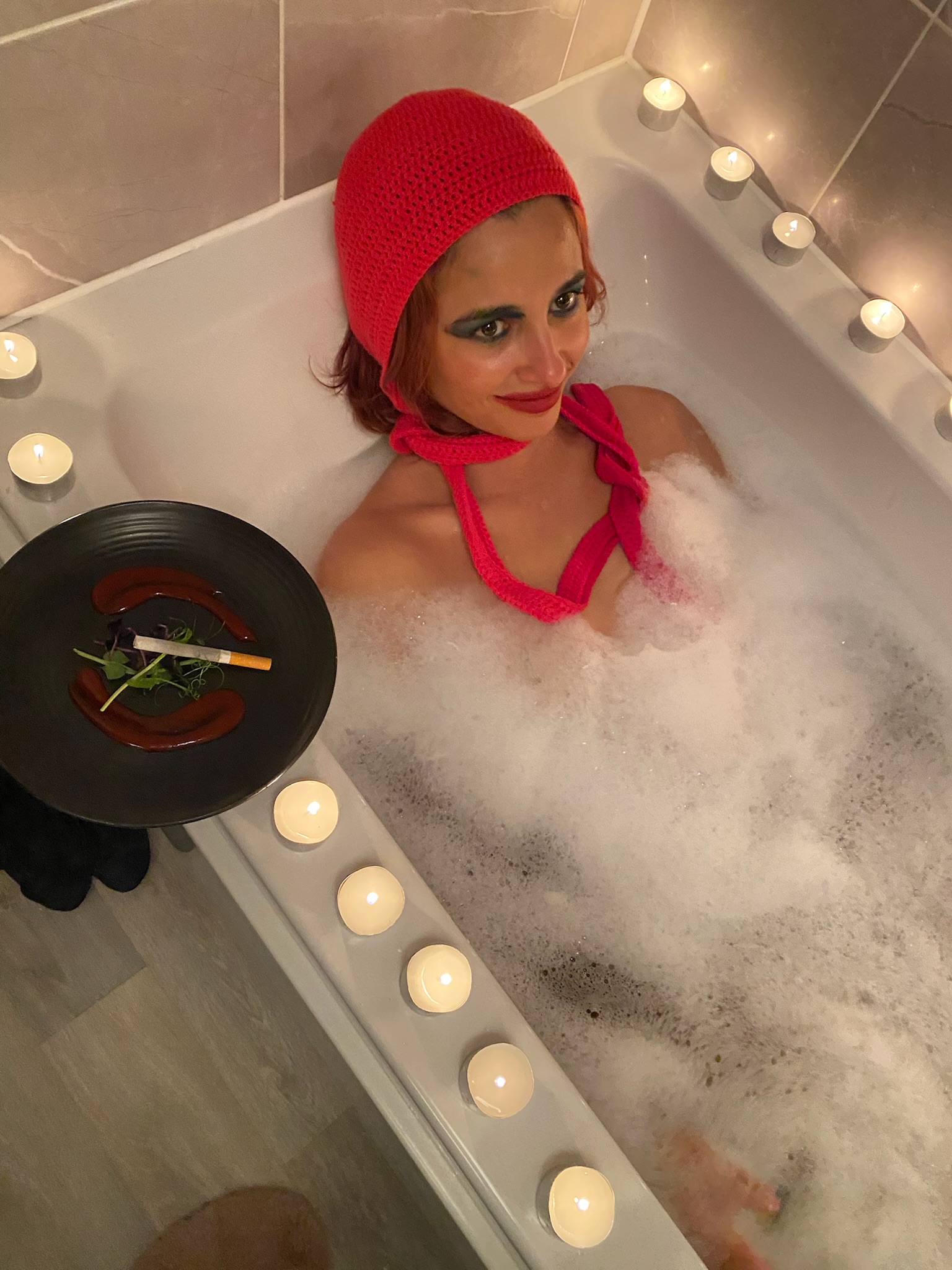
SCOTT: Yes, it’s like pop star energy, but in a more organic context. That was my aim.
WARE: Who were some of your inspirations, artist-wise?
SCOTT: Honestly, Dev [Hynes], big time. You can see that. I remember the “You’re Not Good Enough” music video and his choreography. You’re watching and it’s a little bit odd. It’s in the pocket, but the dancers aren’t perfect. And then you’ve got more fantasy-leaning stuff like Caroline Polachek, where it feels more luscious.
WARE: You gave me some Robyn on stage. You know how Robyn has that strut? I remember watching her at Pitchfork Festival in Paris a very long time ago, and she had everyone eating out the palm of her hand. It’s so infectious. When you were supporting Dev your set had that. You were unstoppable with your energy. Lots of people can go from acting to music and struggle with the stage presence and identity. But you knew who you were as an artist already because you’ve taken your time.
SCOTT: You’re right. I’ve taken my fucking sweet time.
WARE: And then we think about your first gig when you did Lollapalooza in Chicago. You had a huge crowd. People are so ready for an artist like you, Naomi. And it’s just so exciting to see where you’re going to go.
SCOTT: Oh, wowza, this is so crazy for me. Jessie Ware saying all this.
WARE: Oh, shut up.
SCOTT: It’s like a dream come true. And a lot of these things you’re saying—right back at you. Do you ever feel pressure when you’re creating music to lean into something more commercial?
WARE: I used to. Before I had another avenue with the podcast, I had pressure. It was like, “I’m about to become a mother for the first time and I need to earn money. What’s the way to earn money? You need to have a commercial hit.” It actually doesn’t work like that because I never had the budget, and it compromised my work.
SCOTT: Absolutely.
WARE: I love pop music and I love making things for everyone. But I don’t do “compromise” anymore. That’s been the most delicious, freeing thing.
SCOTT: I agree. And the trust that you have between people who love you and love your music, you cannot fabricate.
WARE: Do you understand your audience yet?
SCOTT: I’m definitely still discovering. One thing I noticed at Lolla was young people who watched this Disney Channel movie I did growing up called Lemonade Mouth.
WARE: I’ve got to watch it later. The F.I.G version of High School Musical.
SCOTT: No, literally it was like the Disney Channel version of The Breakfast Club.
WARE: Oh, my god, this sounds amazing.
SCOTT: Honestly, it was sick. It didn’t go off and become High School Musical, but it has this cultural resonance for people who’ve watched it. There’s a song that my character sings in it called “She’s So Gone.” It’s a banger. Now people are like, “You’re Mo from Lemonade Mouth.” They might’ve been an 11-year-old kid who loves that movie, and now they’re 20, 21, and they have a wide range of taste in music. They love pop and they’re fucking with what I’m doing. So, that was quite encouraging to me.
WARE: You sing that song in your set?
SCOTT: I sang it at Lollapalooza. It’s still super popular.

WARE: That’s so brilliant. You’ve got to honor that, you with your nearly four million listens on Spotify. It’s beautiful.
SCOTT: And with the Lollapalooza, there was this curiosity and I thought, “Please put me on a small stage.” I don’t mind. I genuinely feel so confident in who I think I am as an artist.
WARE: You want to earn your stripes. I know.
SCOTT: I don’t want to skip steps because there will be nothing underneath it to sustain it. What you’ve built is an actual sustainable project where it’s not just dependent on a song hitting.
WARE: Thanks, Babe.
SCOTT: When you are performing, do you have this checklist of the things that are important to you in terms of, “This is my intention and what I want to achieve”?
WARE: Yeah, it’s changed. It was survival at the beginning. Now I’ve learned how to appreciate every moment and be generous and entertain the crowd and make them have the best night. But Naomi, you’re already creating that. I’m, what, a few albums ahead of you?
SCOTT: Just a few.
WARE: There’s a few lessons ahead, but you’re so ready to embrace your own beautiful fan base. I can’t wait to see the world that you create with your fans, because it is the best feeling in the world. And on that note, I bid you adieu. Have the best time in Marrakech.
SCOTT: You’re the absolute best. I love you so much.