



SOUND
Grace Ives Tells Hunter Schafer Why She Loves Being Called Girlfriend


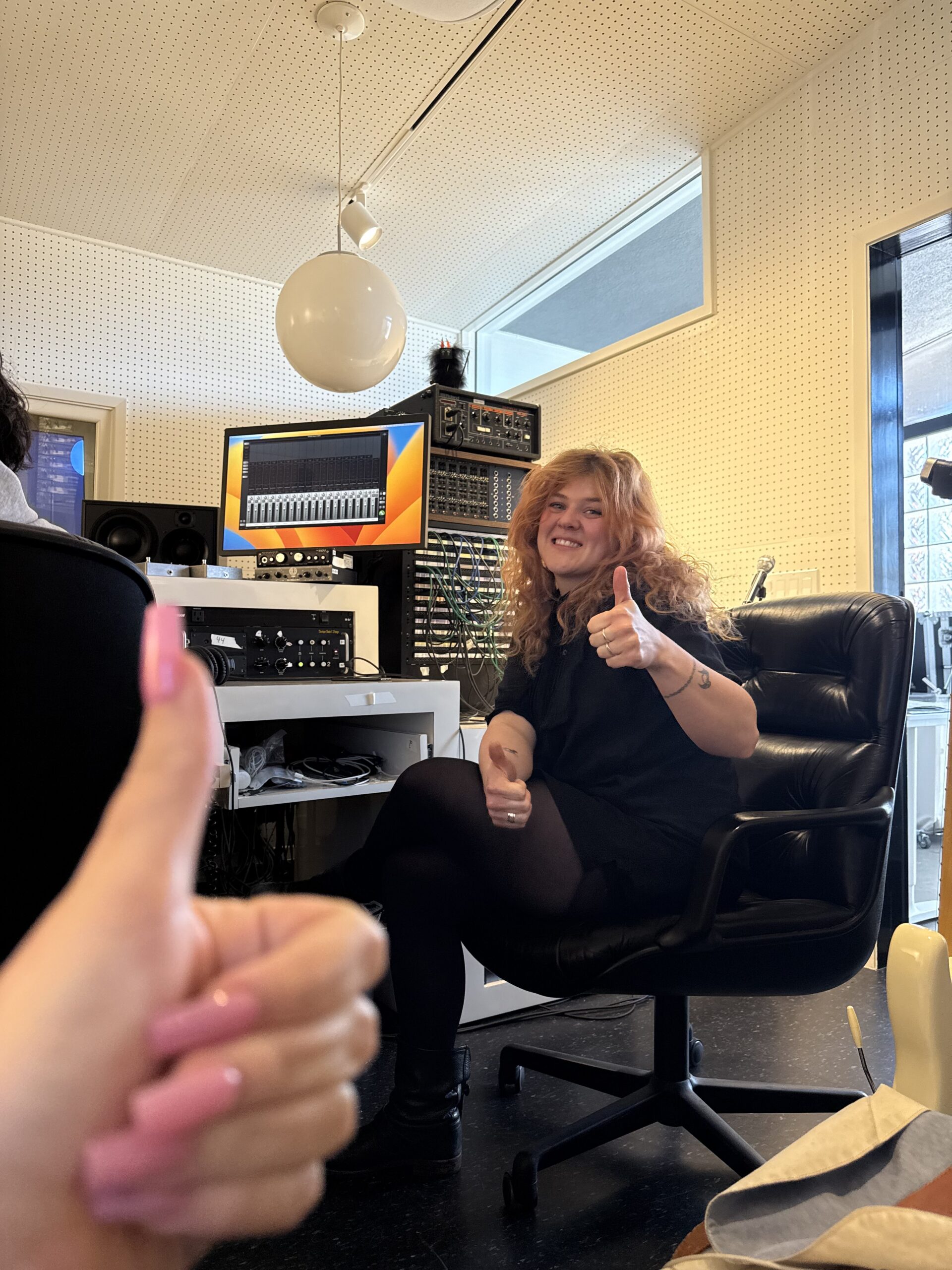
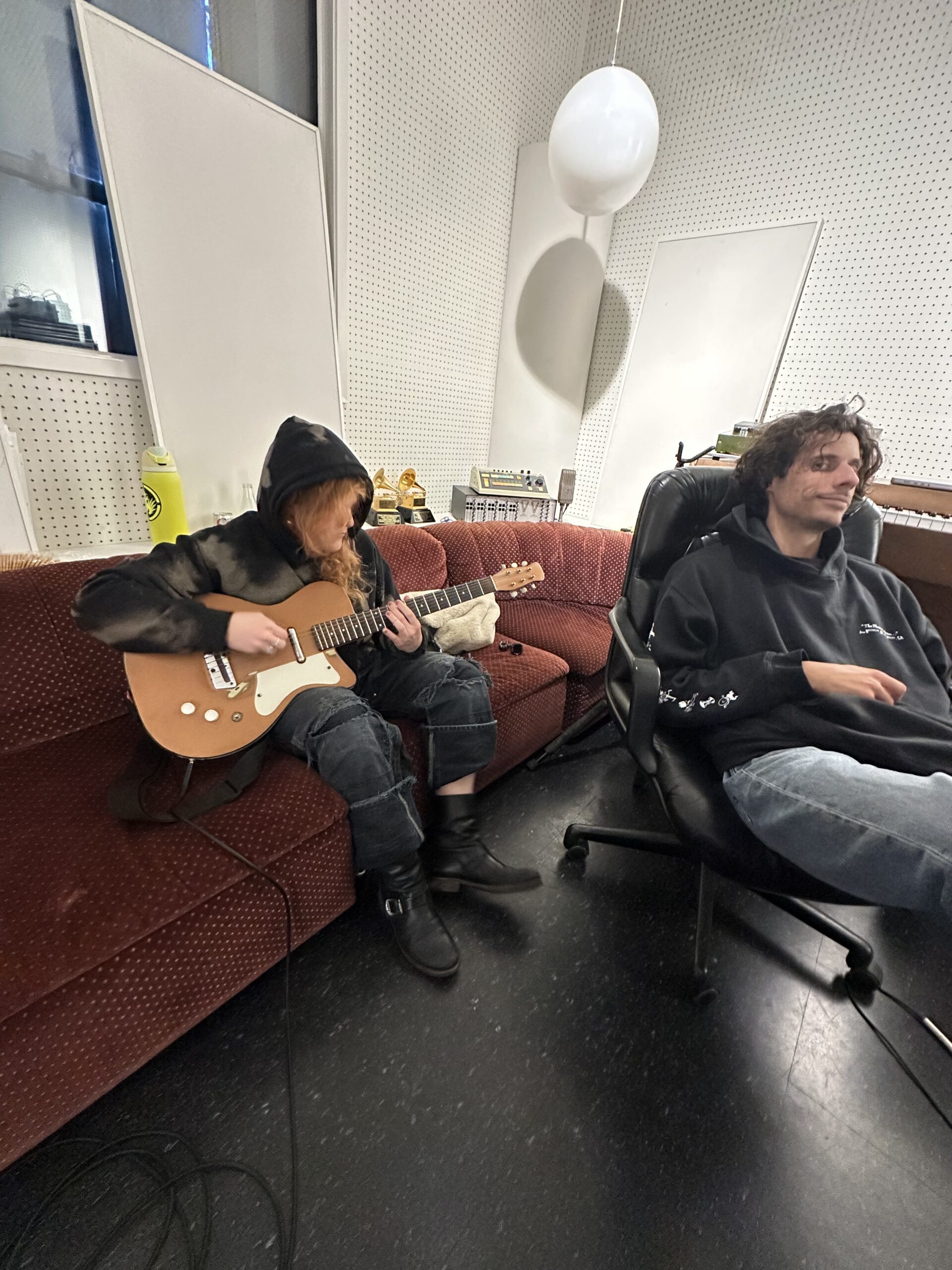
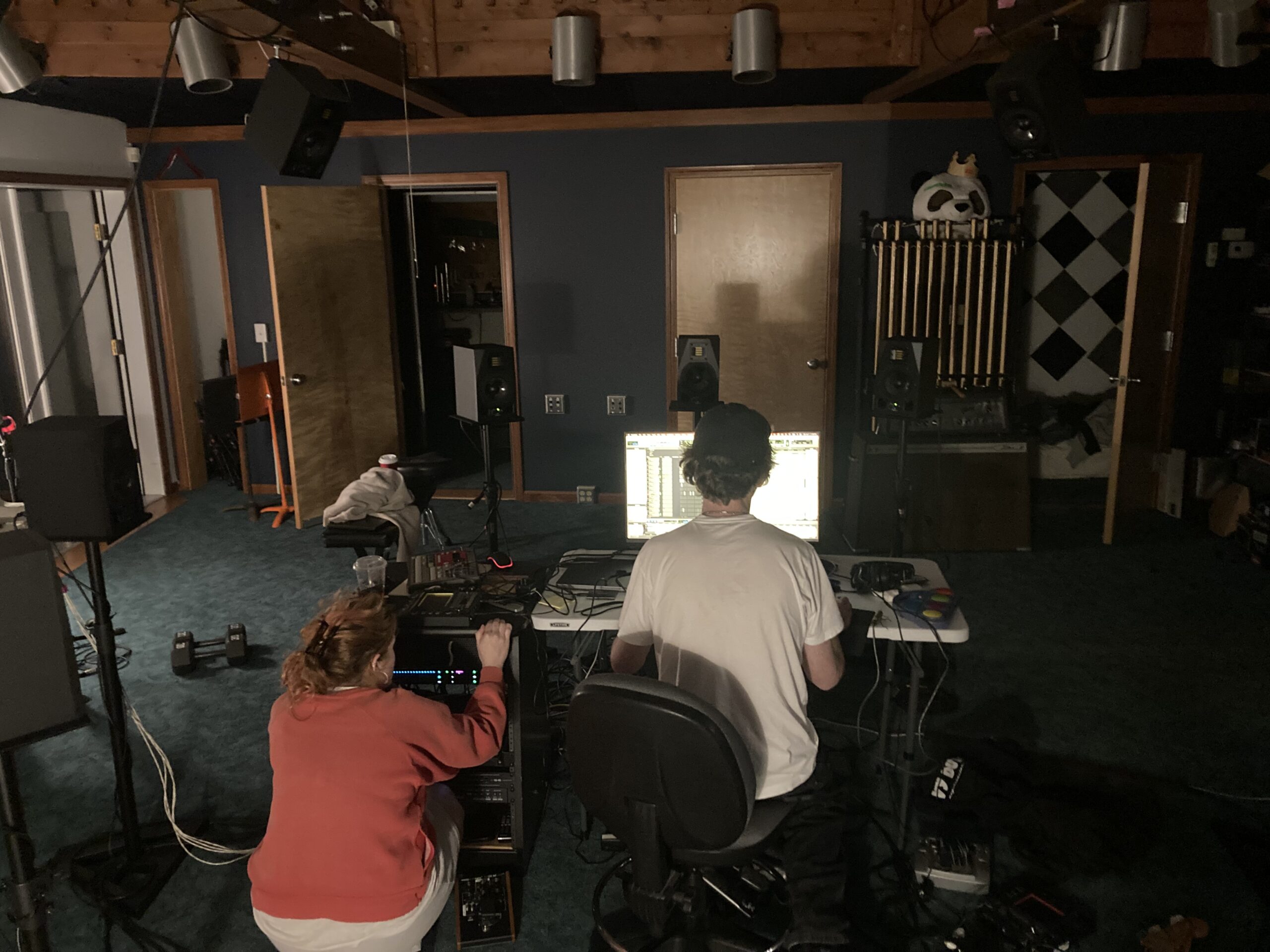
Photos courtesy of Grace Ives.
In 2022, Grace Ives made a splash with her critically acclaimed second studio album Janky Star. Then—just when we were savoring her husky voice and electropop beats—she disappeared. Following a much-needed three-year hiatus, the 30-year-old singer returns with a newfound confidence and a new album, Girlfriend. As she tells her internet friend, Hunter Schafer, she’s stripping down her identity and letting the music shine through, one track at a time.
———
GRACE IVES: We’re alone.
HUNTER SCHAFER: We’re doing it.
IVES: Wait, where are you?
SCHAFER: I’m in Budapest right now and have been going back and forth between here and Italy for the past month because I’m doing two movies at once right now, which is really crazy.
IVES: Yay!
SCHAFER: Almost to the finish line, which is cool. Where are you?
IVES: I’m in L.A. doing rehearsals for a release show for the album on Saturday.
SCHAFER: Oh my god. Are you excited?
IVES: I’m excited. Yesterday, Ariel [Rechtshaid] sent a text that was like, “Reached out to Charli and she wants to come.” And I’m like, “Oh!”
SCHAFER: Wait, Charli XCX?
IVES: Yeah.
SCHAFER: That makes a lot of sense though. The sonic relationship is there.
IVES: We’re both just people.
SCHAFER: Wait, do you live in L.A.?
IVES: No, I live in New York. Where are you from?
SCHAFER: I grew up in a few different places, but I just say North Carolina because that’s where I spent the longest time in my childhood. You grew up in New York, right?
IVES: Yeah. In Lower Manhattan, like 12th between 6th and 7th for a while. And then Brooklyn. Are you in L.A. mostly?
SCHAFER: I technically live there, but I’m never there. It’s just because of this little lifestyle I’ve got going on. I’m living out of suitcases right now. Maybe that’ll change someday.
IVES: I can relate. The suitcase life is so fucking hard.
SCHAFER: Are there any parts of it that you like?
IVES: Yeah. I realized recently, “Oh, this is the fun part of this, a fucking tour.” It’s physically crazy and emotional. But then I’m like, wait, It’s so special.
SCHAFER: So you took a three-year hiatus?
IVES: Yes. I went on tour and then came back to Brooklyn and then started just collecting songs. But my last tour was like, “I don’t remember that.”
SCHAFER: Does this one feel different?
IVES: I think so. Before, I was like, “I’m disconnected from the people who interact with it.” It’s weird to have fans, especially when for so long been like, “I don’t know if anybody likes me.” This time around, I’m like, “We need to come together.”
SCHAFER: And you feel ready to face that.
IVES: Exactly, and just be excited to get to show the music to people. Because it’s not just for me, it’s for people to hopefully be moved by.
SCHAFER: Yeah.
IVES: I mean, it’s weird. I’m sure you have a relationship with fans, but they’re seeing you and identifying with your ability to become someone and use parts of yourself to do that. And then people are like, “I love that. I love you.” I wonder what that is.
SCHAFER: It’s similar in a lot of ways, but where I imagine it’s different is with fans or people who watch the work, they end up having a relationship with the characters that I do. And then I’ve also had to create a character of myself, because I feel like it’s much nicer for my brain to separate it. Do you feel like there’s a little gap?
IVES: There probably should be, but I’m not there yet. I’m just being myself. If I looked at my Instagram, I would be like, “I don’t really know who this person is.”
SCHAFER: Yeah.
IVES: There might be a gap because some people are like, “Oh my god, this song changed my life.” And I’m like, “I hate that song of mine. That’s my worst one.” With musicians also, I love when I see people’s personality. That’s what has helped me make better music also, just literally being myself.
SCHAFER: Was that your approach with making this new album? Did you have one more holistic idea of what it would be, or was it more about just getting in the studio and you being you and letting that be it?
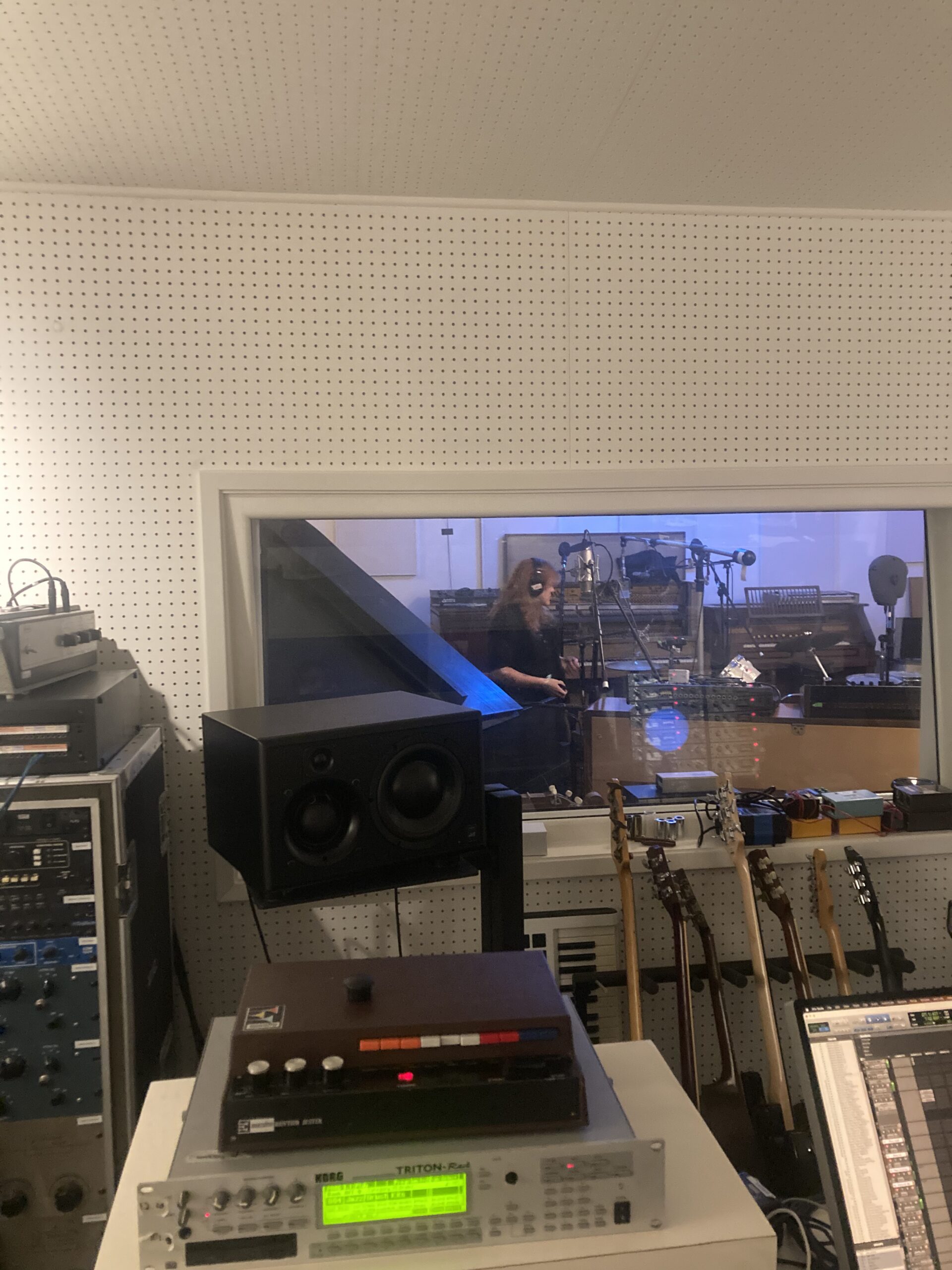
IVES: It’s the latter where it’s like I have all these songs, and then in order to make them with another person, I can’t hide at all. You can’t be shy about it or else you’re not going to get what you want.
SCHAFER: Yeah.
IVES: In the past I’ve been afraid of speaking up because I don’t want anybody to be mad at me.
SCHAFER: I feel that so much with acting, too. I have to remind myself that I’m going into work to play this other person, but when it comes down to it, what really makes something sing are the moments of looseness and freeness when you might’ve gone too far.
IVES: Where you just let yourself react to the other person?
SCHAFER: Yeah, you get a little lost in it, a little lost in the songs.
IVES: Yes. When you’re crying, I assume that you’re tapping into a true part of yourself that would be sad about something.
SCHAFER: It depends. Crying is always particular and funny because it’s always like all I have to think about is what’s actually happening in the scene or whatever. And then other times it’s like, “No, I think I need to go visit somewhere that’s hiding in my head and sit down there for a second and get cozy in the grossness or whatever it is.”
IVES: Totally. I’m fed so many acting class videos on TikTok or Instagram and I relate to it.
SCHAFER: Wait, okay. I want to ask you specific album questions.
IVES: Okay.
SCHAFER: So it’s your first album after a three-year hiatus. Do you feel like you have grown or changed as an artist? When did you know that you were ready to start making a new project again?
IVES: I was living this life as somebody who makes music in the way that a college kid would, where it’s pretty unserious and a little bit self-involved. I’ve moved away from being so scared of judgment or any kind of reaction that would make me feel bad about myself. I got there in the process of making this current album by actually physically working with someone else. I’ve definitely changed. I mean, three years is crazy.
SCHAFER: It sounds like making music was more kind of a by yourself activity, right?
IVES: Yeah.
SCHAFER: Was there a process of figuring out who you want to let in and of breaking the walls down?
IVES: Totally. At first, I was very like, “I’m going to do it all myself because if I work with another person, everyone’s going to think that they did it and not me.” There’s this fear of just not being a guy in the room, fear of people taking credit, of being overlooked.
SCHAFER: Yeah, totally.
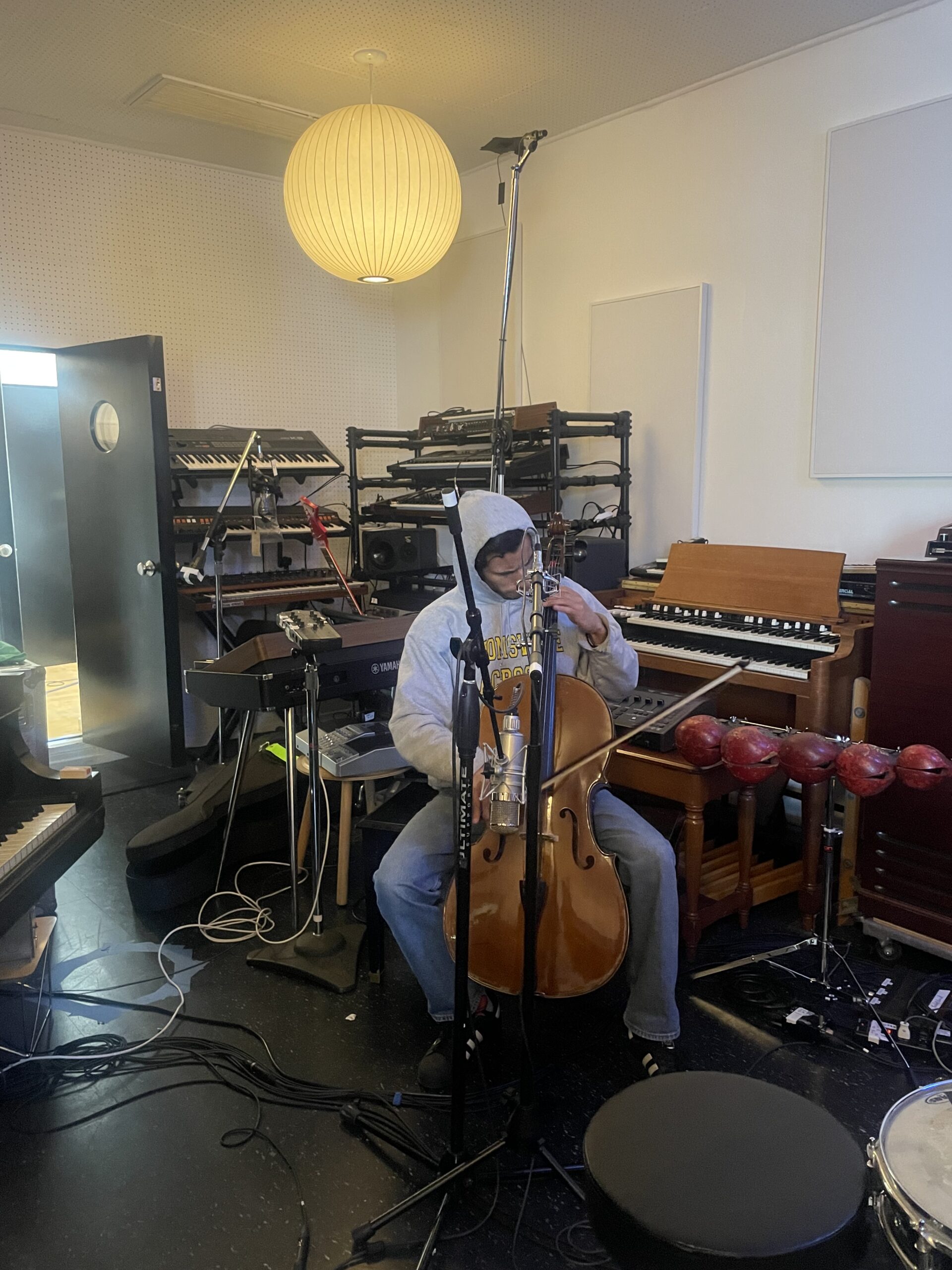
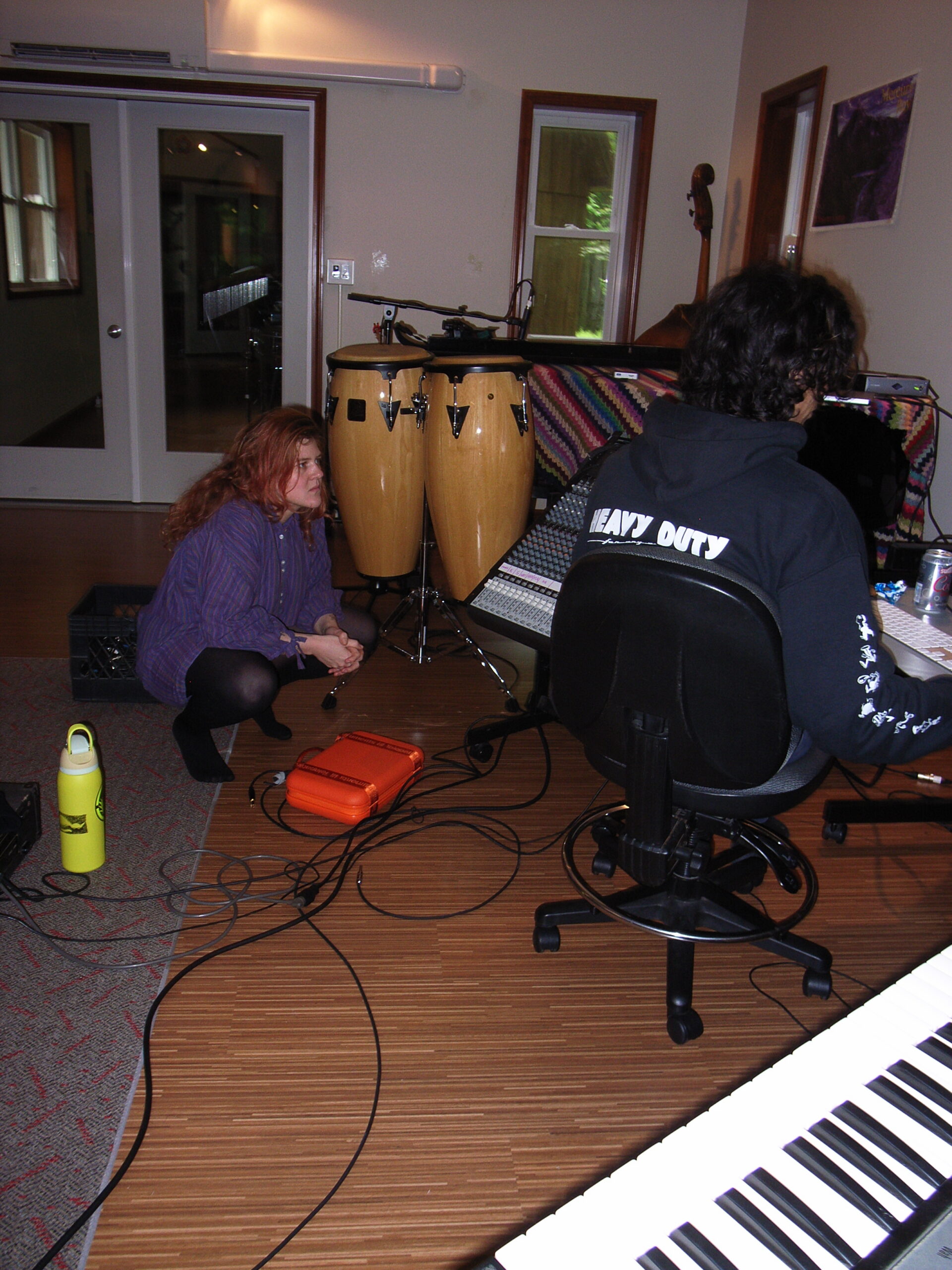
IVES: And then I got lucky in the people that I worked with like John DeBold and Ariel. I trust them. I’m not “other” from them. I struggle with feeling like I don’t belong, or like there’s something wrong with me. But trusting these two people, John and Ariel, is like, “Oh yeah, we’re all the same. At least in this room.”
SCHAFER: Did your relationships change with them over the time you made it?
IVES: Definitely. When I started, it was just John and I, and I was kind of still in party mode, just being not nice to myself and everybody. So I was not really forming a real connection with him because I was just thinking about myself and what I did last night. John is close in age to me and he works out of his back garage and he’s young in his career and I feel similar. So I kind of just felt like working with like we’re kids.
SCHAFER: Yeah, or your neighbor or something.
IVES: And then Ariel is like my favorite.
SCHAFER: Aww. Wait, one thing I’m always curious about is how you choose the order of songs, especially if you’ve made them not with a particular sequence in mind. How do you figure out what the story and the evolution is?
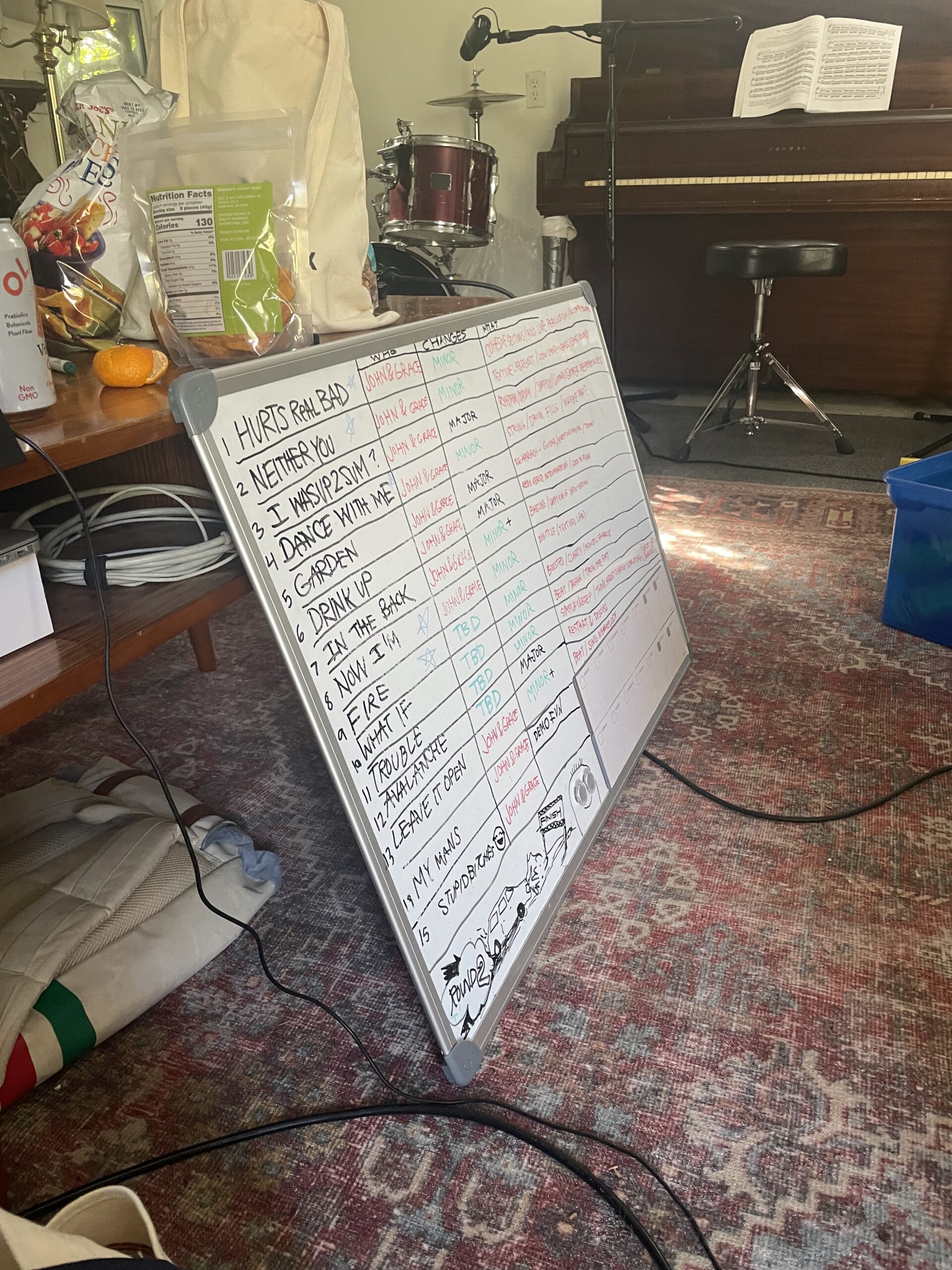
IVES: I grew up being very playlist-minded, so when I’m putting stuff together it’s very like, “How does it feel to listen to this all the way?” This time it’s like, “What feels good? If you were just sitting and closing your eyes and listening to this, would you want to fidget? Does it feel okay?”
SCHAFER: My stylist, who works for Interview actually, is always talking about letting the eyes rest at something. Because we always go through this process of adding a bunch of stuff to an outfit and then realizing, “Oh, wait. We need to respect what’s asking to be looked at, and then take away elements.”
IVES: I have goosebumps for no reason, but that was amazing.
SCHAFER: The words of Dara.
IVES: I love it. I’ve done that where I’ve had a really amazing song and then I’ve just kind of destroyed it by adding and adding and trying to make it beautiful when it already was.
SCHAFER: What made you land on the name for this album?
IVES: I was thinking way too hard about it for so long.
SCHAFER: That just made me think of how daunting thinking of an album name would be.
IVES: I literally made a word cloud of all the lyrics and was like, “Okay, most used word. What’s the through line?”It’s like me kind of stripping myself down to one identity. I’m somebody’s girlfriend and I have a responsibility to them and I belong to them happily. Each song is from the perspective of me in somebody’s life.
SCHAFER: As their girlfriend.
IVES: Yeah, it’s just also so cute as a word. [Laughs]
SCHAFER: It’s really cute. I agree.
IVES: It’s a cool word also because it’s kind of temporary, which is just interesting, especially as a name given to something because it will be over, and this album represents who I am right now. There’s something kind of sweet about the label of girlfriend, new and young.
SCHAFER: You allegedly worked some odd jobs before making it to musician. Did you learn anything that helped you on the other side as a musician diva?
IVES: Oh my god, I worked as a coat check at a venue, which was so hard for me.
SCHAFER: It’s so hard.
IVES: I was a dog walker.
SCHAFER: Whoa.
IVES: And I said that I had a bike, but I didn’t. So I did it by scooter.
SCHAFER: You walked dogs while moving on a vehicle?
IVES: No, like to get from place to place. It was like East Williamsburg and then true Bushwick, and then it was straight out. The woman who was facilitating it, hired just by phone. I never met her, and she was like, “Why is it taking you so long?” I’m like, “Traffic. And it’s raining.”
SCHAFER: Wait, Razor scooter or Bird scooter?
IVES: Razor scooter.
SCHAFER: Razor scooter, let’s go!
IVES: I worked in a restaurant for a while. By the end, I didn’t need a notepad or anything like that. And I think then I got frustrated with people because I wanted them to be uncomplicated, but then you realize that people are complicated.
SCHAFER: But that’s such a mature take for a service worker.
IVES: Well, I was exhausted and pissed. But it’s good to do good hard work. Sitting at home and making music is pretty romantic and makes it a little bit sweeter.
SCHAFER: Did you know early on that “Dance with Me” was going to be a centerpiece in the album?
IVES: No. That’s one I was sitting on for a while, just had the guitar version of it. The chorus in my mumbling used to be like, “Why don’t you come home and finger me?” Which is, “Delete!”
SCHAFER: Kind of amazing. [Laughs]
IVES: I wasn’t ready. Now I’m like, “Okay, I could go there next time.” I didn’t really know what it would be while I was making it, and then it just turned into something electric and fun. I mean, it’s a song that says “dance” in it, so you want to do something in that world that–
SCHAFER: Feels alive.
IVES: Yeah, I’m happy where it ended up. It’s nice to talk to someone about sharing art and to think about the similarities is really exciting. I liked these past 30 minutes.
SCHAFER: Me too. I find the musician archetype really yummy.
IVES: I just want to hang out and talk to you, but I think we did it.