

In Conversation
Lilly Wachowski and the Stars of By Hook or By Crook Talk Queer Cinema, Then and Now


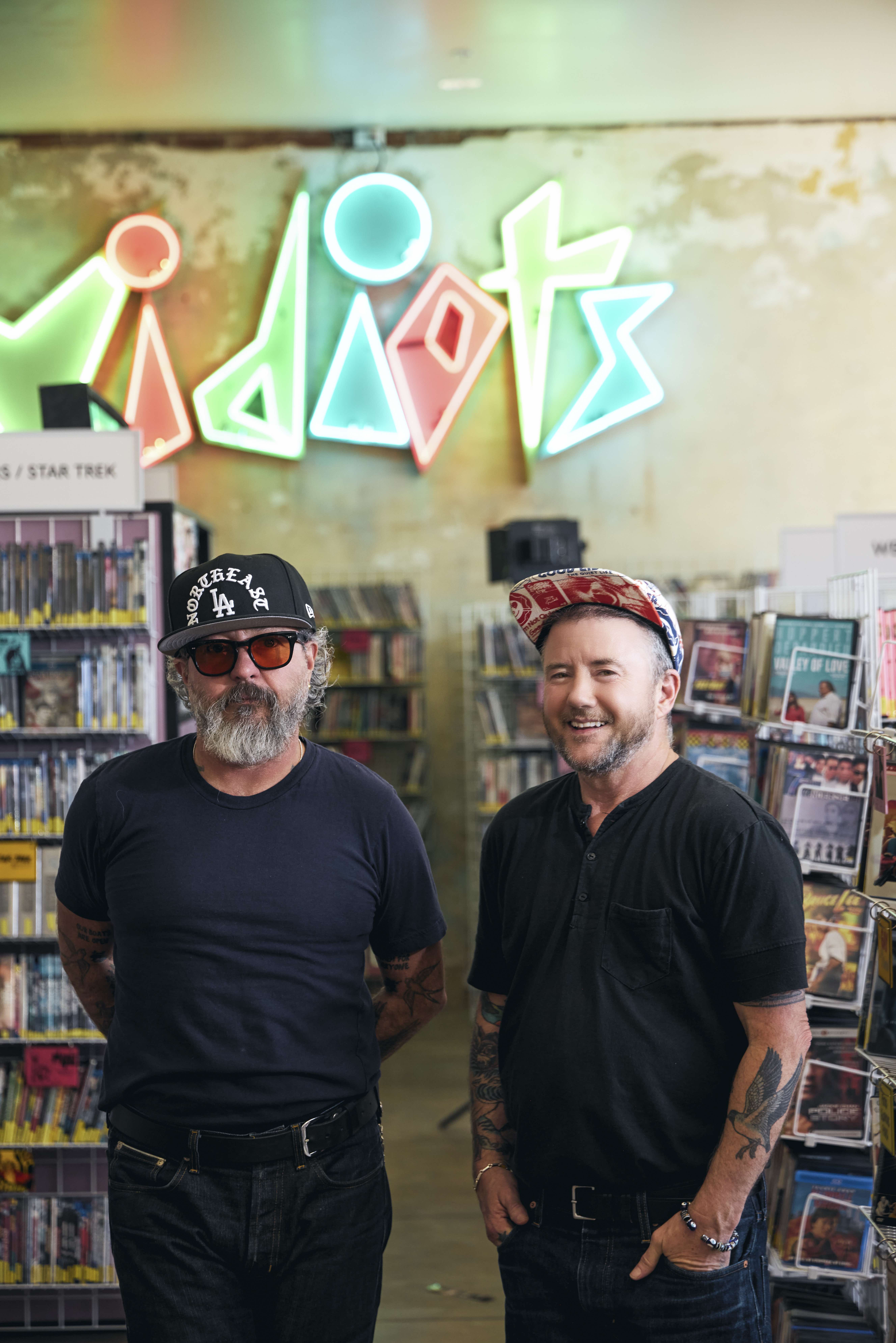
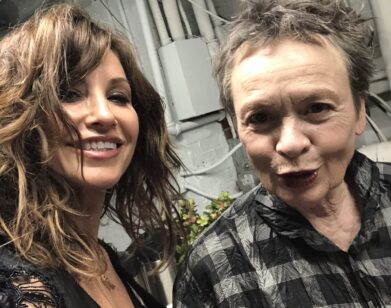
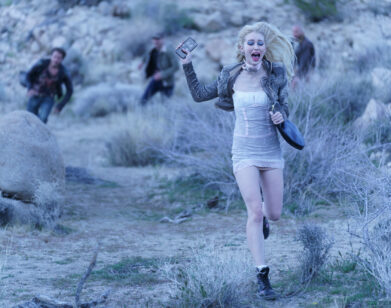
Photo courtesy of Jen Rosenstein and Altered Innocence.
Back when the world still called them “tomboys,” Harry Dodge and Silas Howard played trans-butch buddies on screen in the 2001 queer cult classic they also co-directed, By Hook or By Crook. The pair never waited for doors to be opened for them, they busted them wide open themselves. Revisiting the film 25 years later with a 4K restoration re-release, Dodge and Howard still heap praise on the cinema that molded their rough-edged, queer protagonists Shy and Valentine, two gender-bending partners in crime. That list includes Midnight Cowboy, Butch Cassidy and the Sundance Kid, and, of course, Bound—the legendary 1996 lesbian thriller following a high-stakes affair between a mob wife and an ex-con. To celebrate both films’ milestone anniversaries this year, the pair reconnected with Bound creator and transgender director, Lilly Wachowski, to discuss the importance of making the narratives they want to see in the world, whether the mainstream is ready for them or not. In conversation, the three go deep on buddy films, respectability politics, and why queer characters should be just as fucked up as everybody else. —SIENA BERGAMO
SATURDAY 1 PM JULY 18, 2026 NEW YORK CITY
———
LILLY WACHOWSKI: Hi, Silas. Hi, Harry. It’s really great to meet you.
HARRY DODGE: How’s the 30th anniversary going?
WACHOWSKI: It’s a lot. It’s weird to be walking along these old steps in different shoes. The ghosts of the past have returned. There’s some German phrase for that. How about y’all?
SILAS HOWARD: It’s been really fun to have the re-release happen because it’s the first thing we ever made, and we homeschooled ourselves a little bit. I read this awesome interview with you in Butt Magazine talking a bit about homeschooling, and even doing carpentry on the side. We had a hauling business on the side outside of the cafe. But anyway, just that it has stayed relevant to people has really been a gift.
WACHOWSKI: When’s the last time you’ve seen the film?
HOWARD: We had seen it just doing the restoration. Then, the interesting thing is the film has never gone away completely. It’s just been a small slow build to crowds, but it’s played every couple of years, which has been really awesome.
DODGE: There was a moment about five years ago at some other anniversary screening, and I hadn’t seen the film in probably 15 or 20 years—It was a shock. It’s especially a shock for us to see the movie because we’re in it. You’re growing older in the mirror day by day, and then suddenly you’re [young] in all of these moving pictures watching yourself for an hour and a half. You’re kind of on a time rollercoaster.
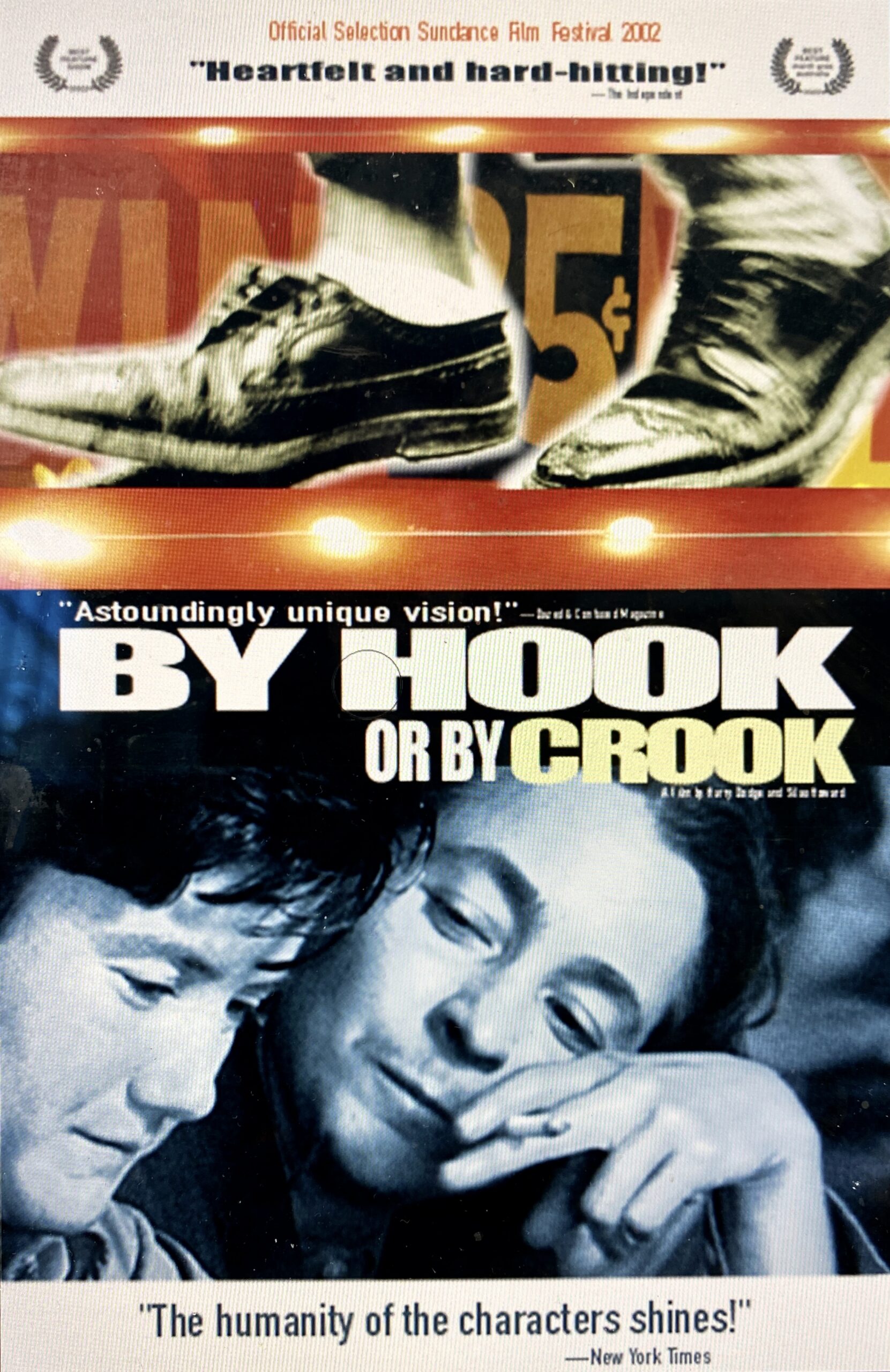
Poster courtesy of Altered Innocence.
WACHOWSKI: Freaky.
DODGE: I’m sure it’s similar with Bound. There’s a timelessness with Bound, with all your movies, but with that movie [in particular]. It has to do with the interior space. It’s out of the real world, out of time. You’re just in these interiors and they could be at any time.
HOWARD: I re-watched it not long ago because my wife had never seen it, and it holds up so well. As a queer from back in the day, I don’t even think we bumped on who made the film. It was just like, this film really is doing the thing we want films to do, which is to put people in the middle of the story that you don’t usually see and just let them be themselves. Love Jennifer Tilly‘s assertiveness and the sex scenes. I don’t think I even realized until watching it again that it’s so dynamic and you’re so riveted and it takes place predominantly in these two rooms, which is phenomenal. For myself, and I think for Harry too, it was a big influence and part of why we tried to do genre a bit. We couldn’t quite pull that off in our movie, but it was just so the thing that was needed in terms of representation and good storytelling.
WACHOWSKI: For Bound, all of that interiority, all of that claustrophobia is bubbling out of mine and Lana’s subconsciousness. The shot in the closet—We were obviously going through some stuff, and working it out in the extremely palatable language of noir. People can relate to noir and they can see themselves in these structures that you set up. We’re turning them on their heads and doing all these flourishes and machinations to give us the sandbox to play in and start imagining the idea of our own liberation.
So By Hook or by Crook is a little bit different, because you’re both queer and doing the community work. When you all watch the film, what do you see as the things that you’re working on?
DODGE: A journalist had mentioned that there was this idea that Shy was this bravado-riddled character with, “I don’t care, I got this” [attitude,] and a little more closed down. That changes through the movie where he’s a little bit cagey with the girl upfront, telling her lies and there’s this whole monologue where Shy says, “If you play your cards that close to your chest, you’re not going to see them to bet.” He says, “Okay, you want to know what it’s like? So you’re driving in this big Catalina and you’re bumping down the road in this beautiful car. And then when you get out of the car, you turn around, you realize this whole time you’ve been driving a base Chevette. Wouldn’t you rather stay inside the car?” That’s a metaphorical monologue where we’re trying to say something about what it’s like to be us, or to be Shy. Valentine’s character, on the other hand, is a relentlessly open-hearted character. In some ways, it’s true for both Silas and I, as directors and artists and people in the world, that we have these two sides of us.
HOWARD: That monologue is from Harry’s writing from prior to the movie. But I would just add to that that I hadn’t transitioned yet, so I spent a lot of time building a world where I could be okay and also be desired. As we look at the movie now with this lens, we have all this language around identity, but the movie refuses to put language [to it]. It’s just really putting the experience first, not explaining anything.
WACHOWSKI: Very modern.
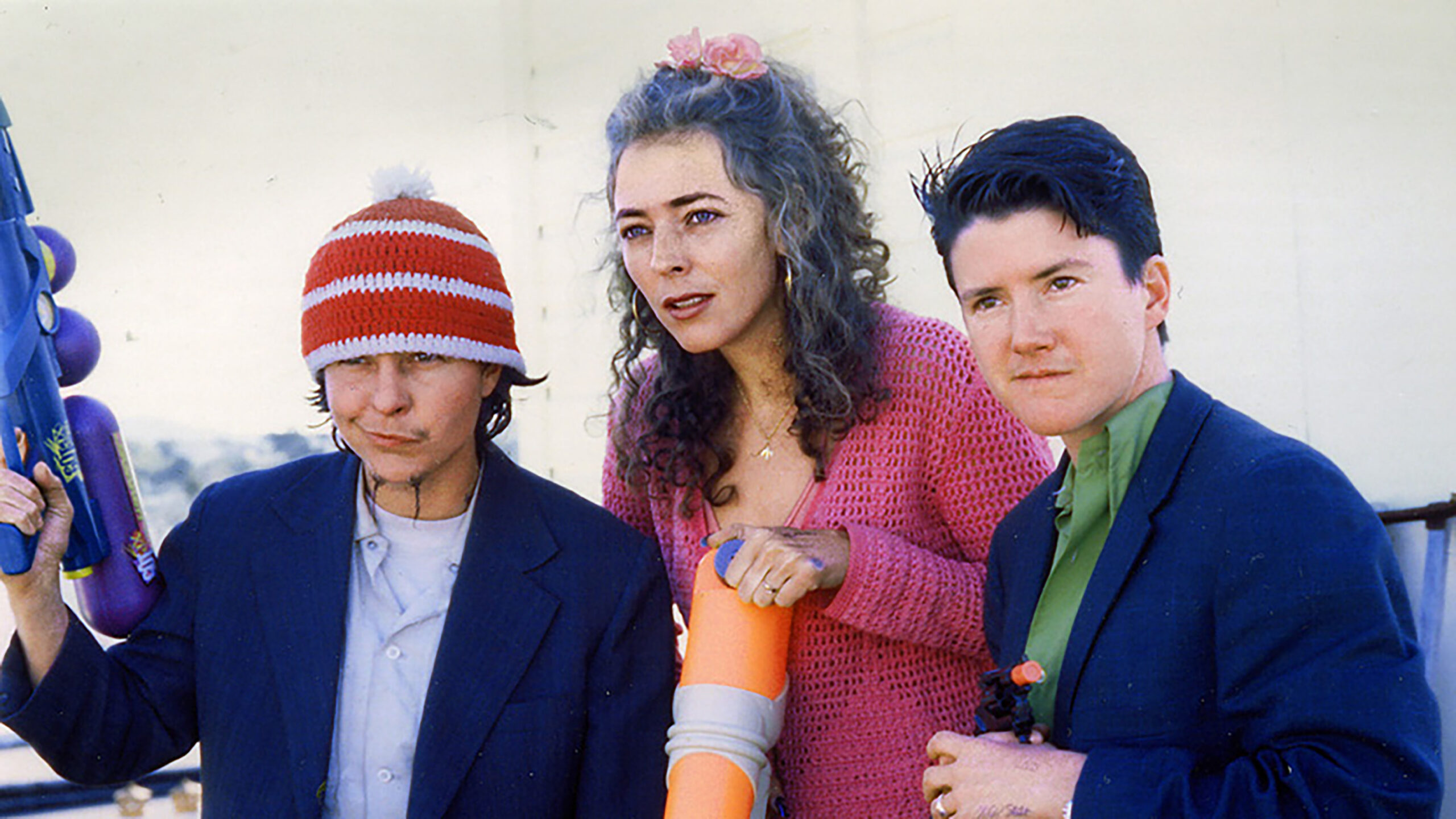
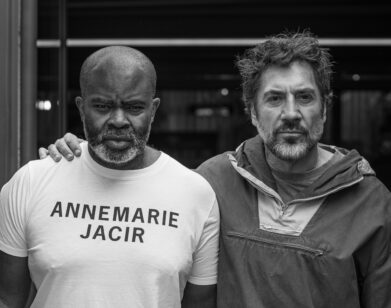
Photo courtesy of Chloe Sherman and Altered Innocence.
DODGE: By Hook or by Crook was like, “Oh, we can just tell a story and be in this great narrative.” It didn’t have to be, “How do we explain queerness?” There’s something very liberating about just popping these characters in and not explaining anything. What you were saying about noir serving as this familiar bridge, I know we had that thought about By Hook or by Crook where there’s a story of a friendship, and screen friendships, what’s the history of that? Definitely Midnight Cowboy and the surprising tenderness between these two men and the homoeroticism that runs through that story as well that’s very quiet, but we could see it. Not only is it messing with the idea of screen masculinity or whatever, but that was an inspiration as well.
HOWARD: We’re chatty.
DODGE: After Bound [came out], we wrote two scripts before By Hook or by Crook. We were trying to write more of a noir piece and it was actually really difficult for us to get into it as much as we needed to. What’s your memory of how you guys were able to get that done?
WACHOWSKI: I mean, we grew up loving movies. On the weekends, we would have these “movie orgies,” my mom and dad would call them. I saw so many adult films back then, not adult films, but mature, like Harold and Maude and Where’s Poppa? and The King of Hearts—very complicated.
DODGE: Yeah, complicated.
WACHOWSKI: When you’re in that formative state, you start to form this appreciation for films and you start to understand, “Oh wow, there’s so much that this medium can do in so many different ways.” There’s all of these various ways we grew up with this idea. We were carpenters. Carpentry as a skill is extremely relatable to how you make a movie, how you write, how you build a sentence. It’s about structural integrity, architecture. All of those things lend themselves to us being able to put these pieces together and build these things that may look familiar, but are not if you view them in a certain way. When we were trying to get into the movie business, a lot of the things that we were studying were technical manuals and biographies. We read Roger Corman’s autobiography, How I Made a Hundred Movies and Never Lost a Dime, [about] how he would just shoot footage of people walking down a hallway and then change their costume and have them walk in a different costume, but not cutting the camera.
So all of these extremely guerrilla filmmaking tactics really made an impression on us and we’re like, “Okay, this is our entry to this business.” We have to create scripts that are extremely cognizant of budget and have enough things that people recognize, like sex and violence and humor, that they go, “Oh, this is a good script.”
With a thing like Bound, where you take a familiar model like a love triangle, and you’re like, “Well, if this other person in the love triangle is a man, then this person becomes a crutch for the woman. What if it’s a woman?” That’s a very neat and tidy way for our brain to present this, even though it might not be all of the information that’s going on in our heads.
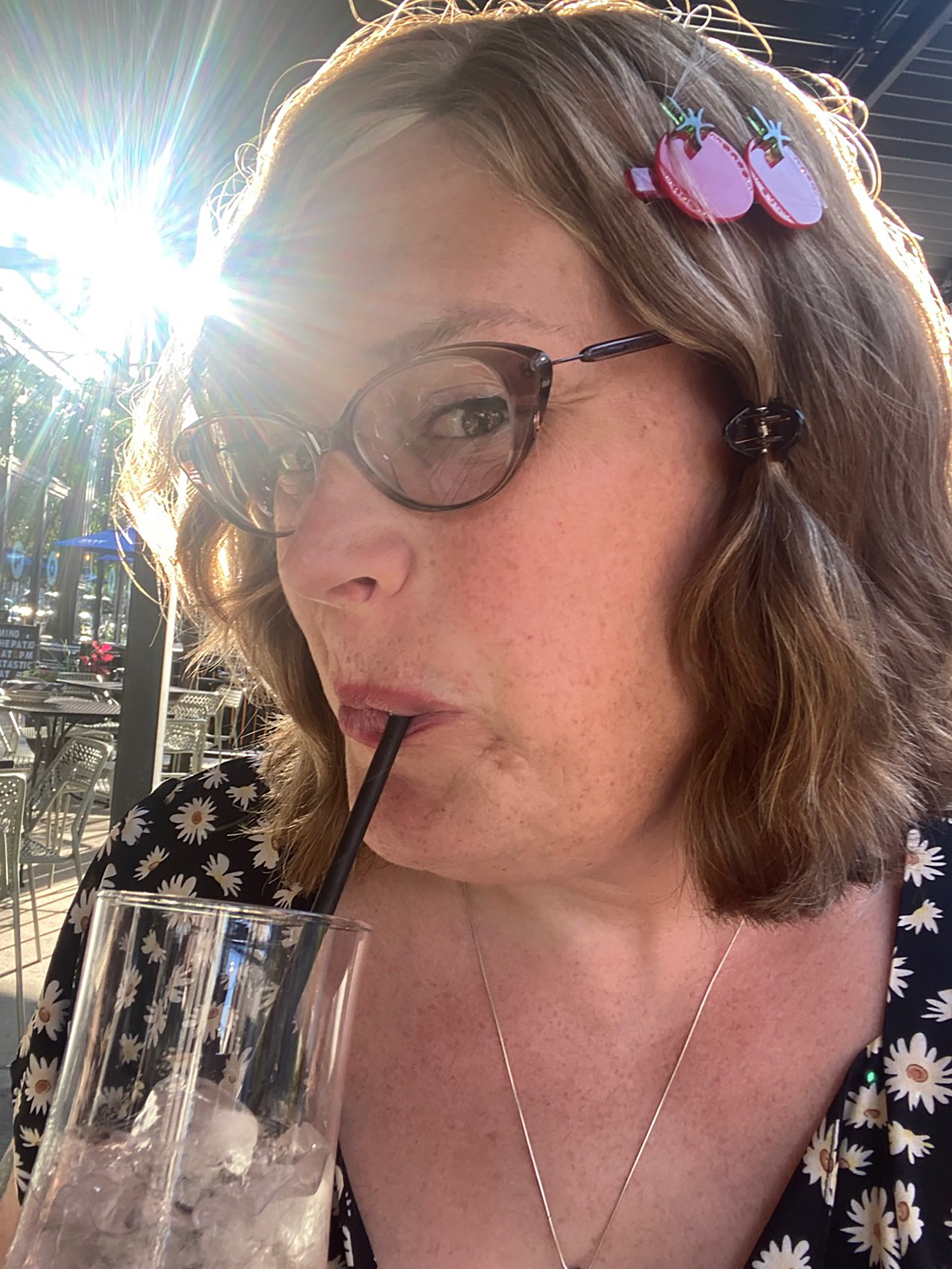
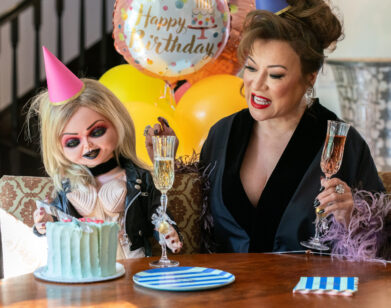
Photo courtesy of Lilly Wachowski.
HOWARD: Well, you jump time. What you did with Bound and that we were aiming for with By Hook or by Crook is to act as though the revolution already happened. This is a quote from my former Tribe 8 bandmate, Leslie Mah: ”Just act as though we are allowed to tell the stories as we would if we were fully recognized citizens of the country.”
So, we don’t play by the rules of trauma narratives only and explaining narratives only, and we just put ourselves in the narratives that we want to be in, whether it’s a buddy movie that’s a love story or noir-genre love triangle. It’s very profound to do that because there’s so many rules in film, and so many rules to getting financed in film.
WACHOWSKI: I was looking at the criticism of By Hook or by Crook that you are making these characters less desirable, or they’re criminals. Why do they have to be messy criminals? I completely don’t understand that question because it’s like, queers exist on these margins of society. What else are we going to do but try to steal from these structures of oppression?
HOWARD: Totally. We love the outlaw in movies. We love the casting of Butch Cassidy and the Sundance Kid. But when you’re marginalized, those rules are, again, not the same application.
DODGE: Yeah, as if we owed it to somebody to be a PR team for homosexuality or queerness. That’s not my job. My job is to make an interesting character right now and to have all the liberating freedom to make fallible characters. No one wants somebody who all the Ts are crossed and all the Is are dotted. We want someone who’s messy, who we can’t believe, we just don’t know what the hell.
In Bound, we didn’t know until the very last scene whether or not either one of those people were going to double-cross each other. We definitely felt the erotic energy, and we definitely wanted to believe in their love, and we could see it happening, but we didn’t know. All bets were off with the ultra-violence and the double-crossing of everybody in that movie.
HOWARD: Yeah, I was just thinking, in a good movie there’s no bad guys. But also, the idea of what you just said, Harry, as much as I want new faces in the center of the story, I want them to be as fucked up as all the other iconic movie characters.
DODGE: Exactly.
HOWARD: Not better than, that’s part of the mess we’re in in this country in politics. Things like, “Skew better than” instead of, ” We’re as evil and fucked up and as good as everybody else.”
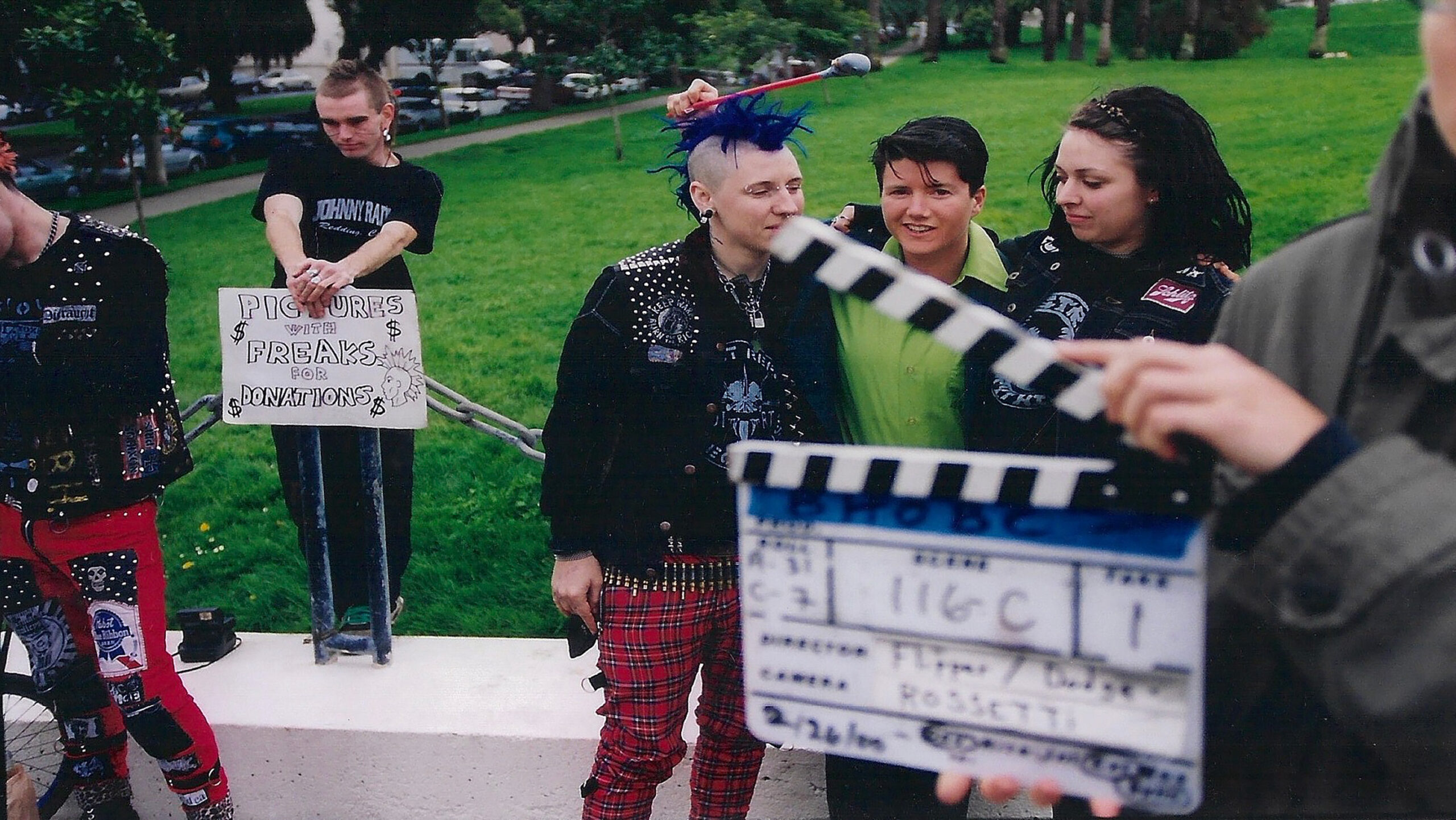
Photo courtesy of Chloe Sherman and Altered Innocence.
DODGE: Well, there’s a claustrophobia of respectability politics that one wants to skirt or bail on. But what’s the value system? I’m not doing what you want me to do in order to gain these “privileges.”
WACHOWSKI: I love the wrestling that’s going on in By Hook or by Crook with a lot of those things that you’re talking about, Harry. Shy plays in this gray zone morally and eventually pumps himself up to go rob the convenience store and then gets to the clerk and she slaps the shit out of him.
HOWARD: That was our AD, Meryl Beth Ferguson, who wanted to do that scene just to slap me.
DODGE: It’s such a good moment.
WACHOWSKI: It’s like you can feel this moral compass adjudicator coming in to knock some sense into the character and, “That’s not cool what you’re doing.”
DODGE: Somebody recently asked us about the Al Capone quote at the beginning of By Hook or by Crook. I was thinking there was a way that we wanted it to double-reverse or even triple-reverse messaging about the word “radical.” There’s one part of that movie character that’s idealized and is like, “I’m going to be somebody. I’m going to be a famous criminal. I’m going to get all the money,” as if something could be that simple. There’s another part where we acknowledge that the American system is about basically stealing time and money from the people for the benefit of the wealthy.
HOWARD: We played right after 9/11 at Sundance. I remember it was so “fear McCarthyism,” not unlike what’s gone on since, but it was just a really intense time to say anything about the country. That quote was about how we’re going to double-reverse so that you don’t even know what side of the coin we’re on.
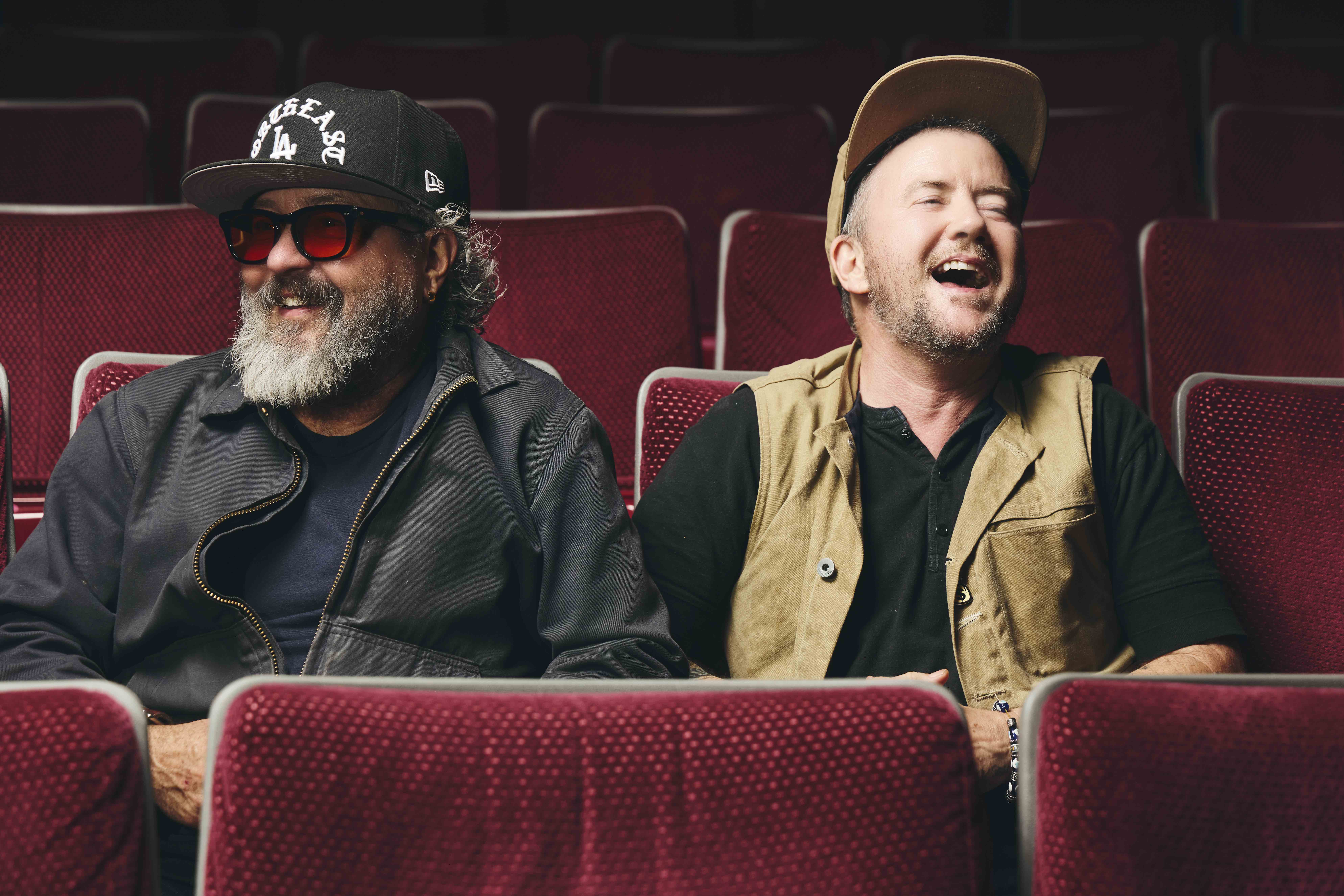
Photo courtesy of Jen Rosenstein and Altered Innocence.
WACHOWSKI: Yeah, that’s cool.
DODGE: As an artist, what are your thoughts about [your work] being reappropriated into a different value system?
WACHOWSKI: I mean, it’s a bizarre experience to have your work that is so obviously trying to say one thing, and then it’s turned into another thing. But this is what fascist apparatuses do.
DODGE: They do.
WACHOWSKI: They appropriate things and they turn out their propaganda. And better to use popular pieces of art because they have to disguise what their message is. As an artist, what can I do? Am I just supposed to argue with trolls?
DODGE: God, no.
WACHOWSKI: It’s impossible. Once you get into an argument with a troll, that is the point of platforming the troll.
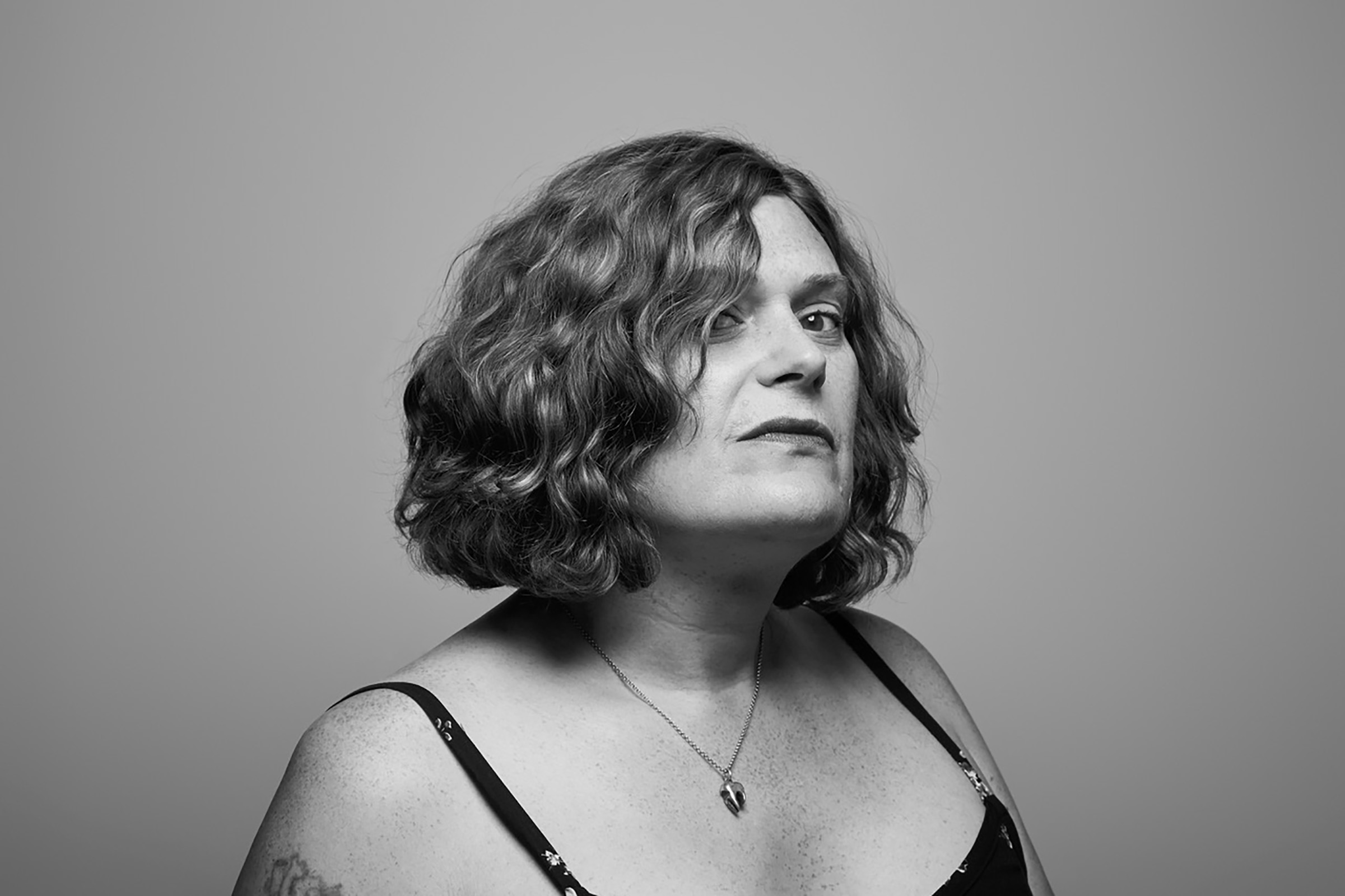
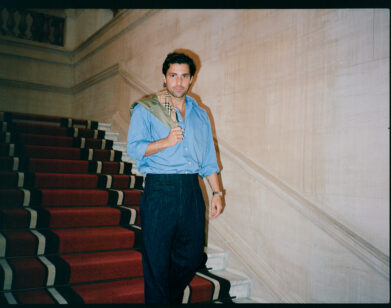
Photo courtesy of Christa Holka.
HOWARD: So much of By Hook or by Crook is made coming out of this early ’90s era of, “Nobody’s going to give a shit about you, society hates you, make your own way.” But when I met you, one of the things that struck me as we were doing this mentoring in the Queer | Art | Mentorship program was I could barely handle the one mentee because of my time constraints, and you were like, “I couldn’t choose. I chose all 15.” When I think about where we’re at with our film re-release, it really gives me a little hope on the “hope springs eternal” side. I’m curious about your community connections now in relation to your work.
WACHOWSKI: I’m getting older every day and my body’s getting less pliable, but I am practicing as much flexibility as I can. I’m reaching out as far as my body will allow me to. This is an existential crisis for trans folks especially. Now is the time for the community of trans people to be locking arms and holding each other the fuck up as hard as we possibly can.
DODGE: Silas and I used to go out and there was a whole period of time where we were spray-painting “Smash the Patriarchy” across the street from the apartment and we could see it out the front window. I remember one morning staring at it and then thinking, “Wow, we’re spending a lot of time spray-painting that. What would happen if we spent less time spray-painting that and just started to build the matriarchy?” And of course, we need to do both, but that was a pivotal moment in my life when I started to think differently.
WACHOWSKI: Yeah.
DODGE: The propaganda right now is hard. It’s not worth it. Just come over here and talk to this machine that agrees with everything already, and that’s going to be better. Easier is better. That’s one of the main things, especially for the youth, that we need to fight back against. So I like this idea that some people are going to be prickly.
HOWARD: That’s the community. They just got to learn.