


In Conversation
Fabien Frankel Finally Knows Who Criston Cole Is


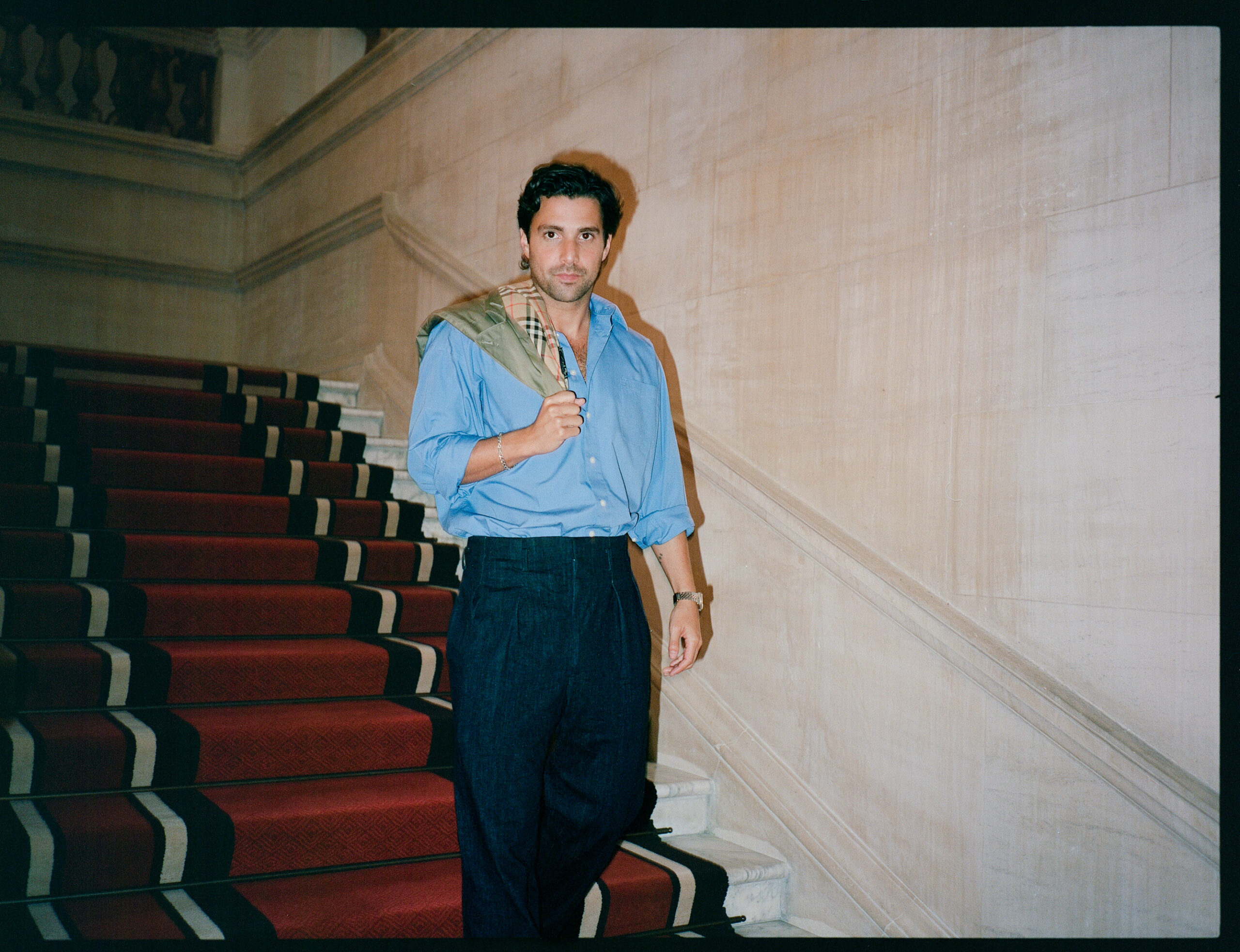
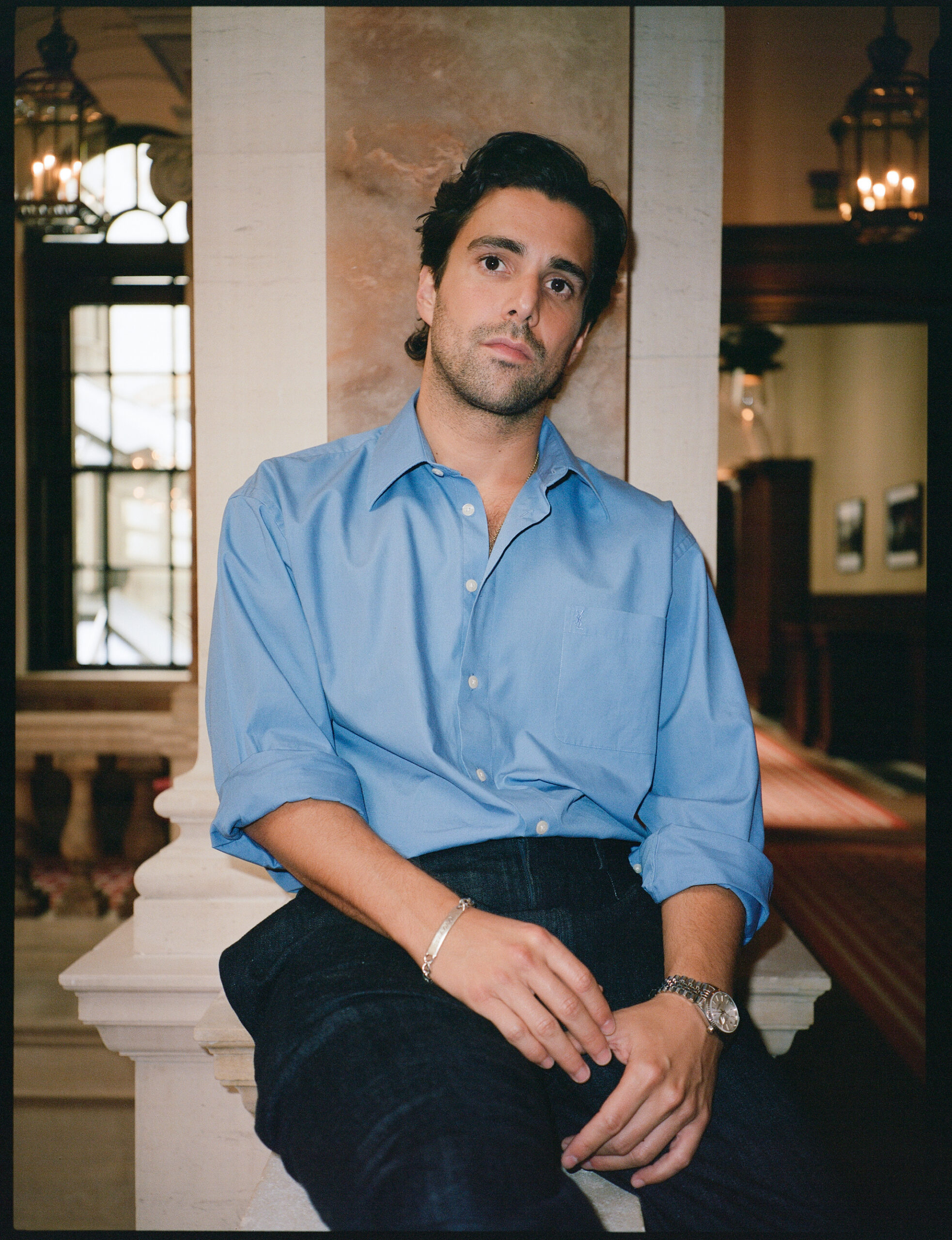
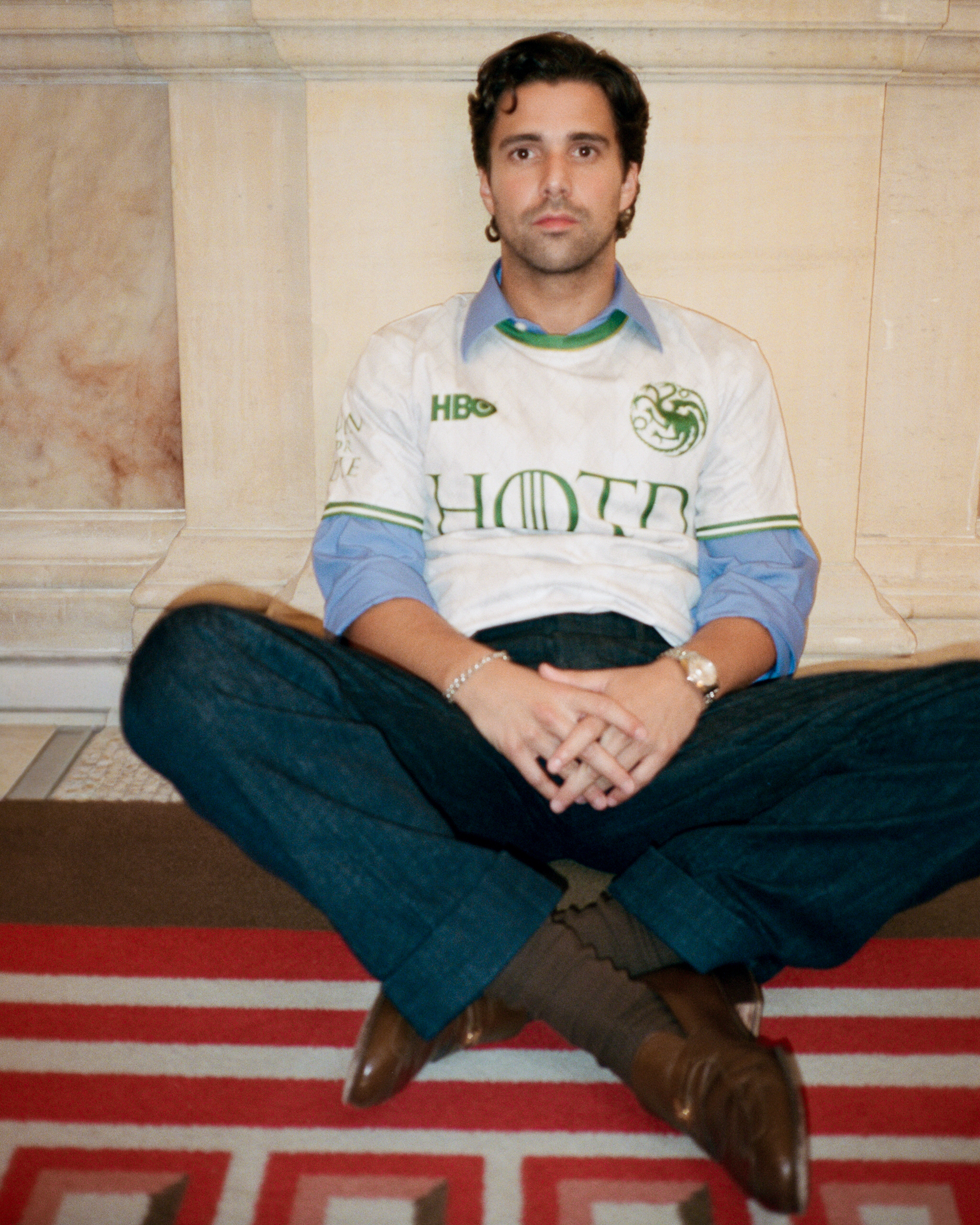
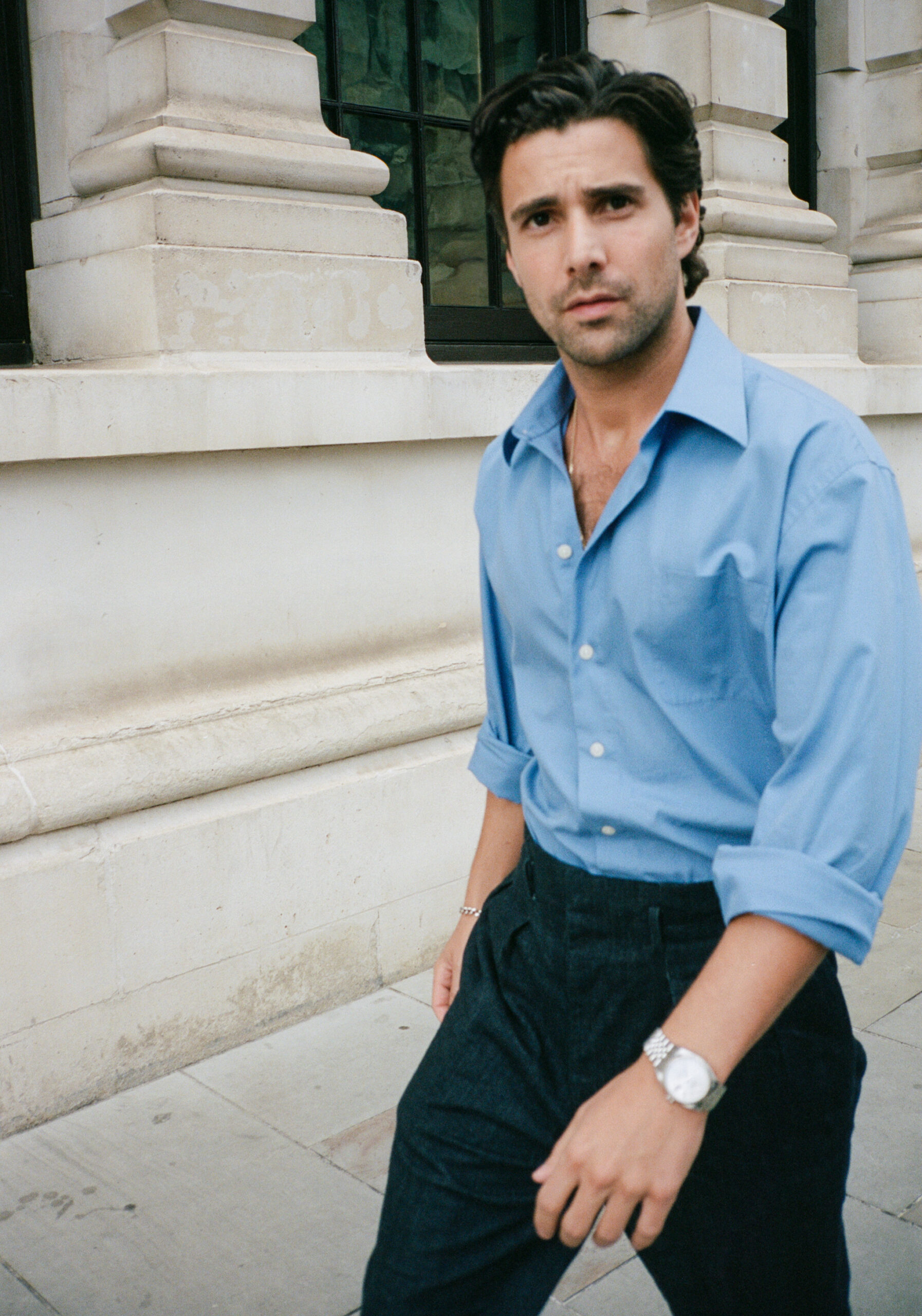
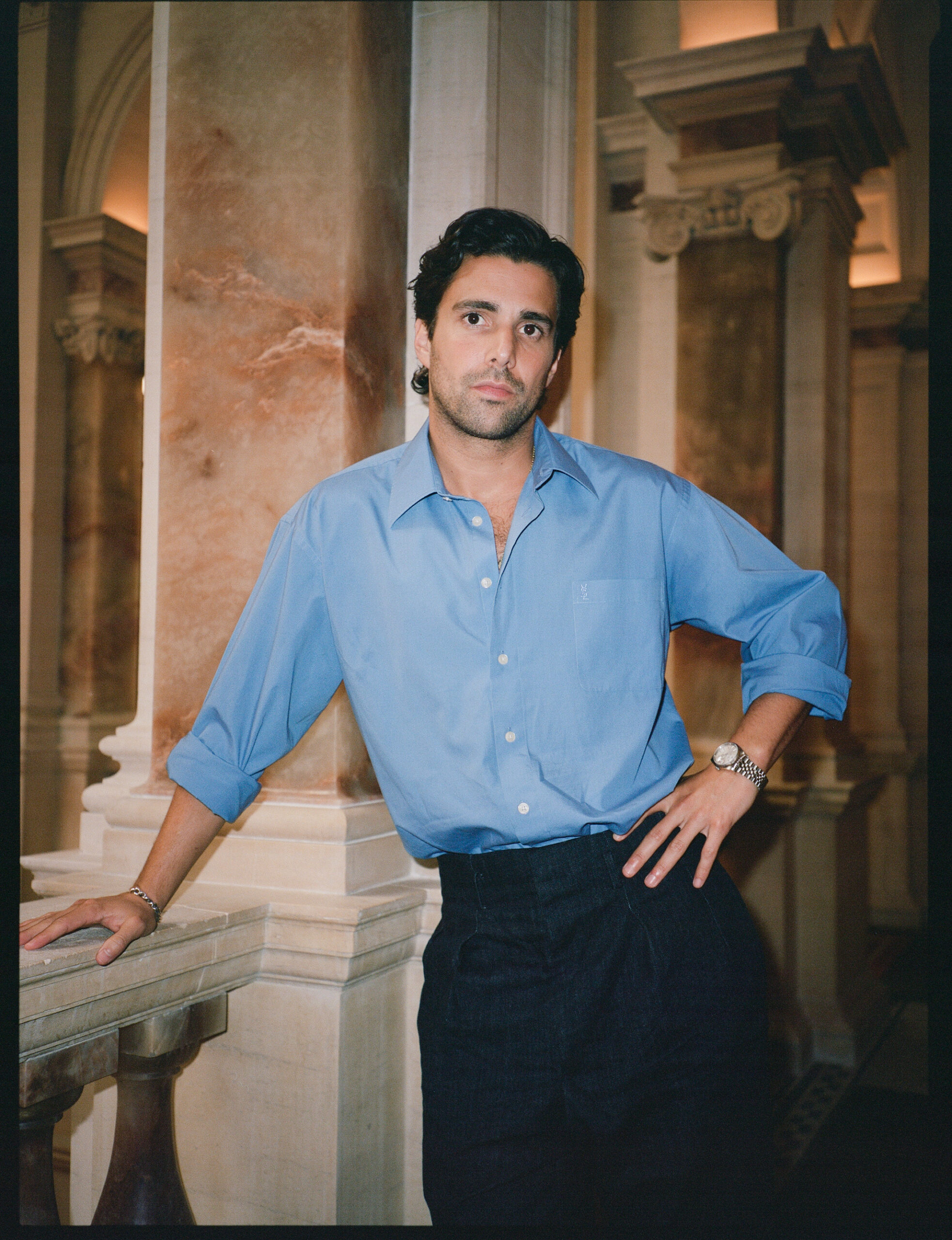
All photos courtesy of Alexia Mavroleon.
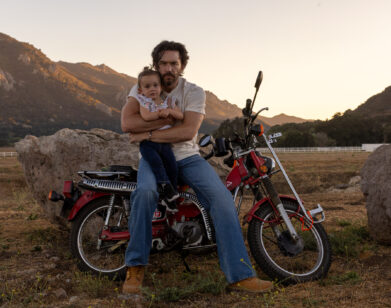
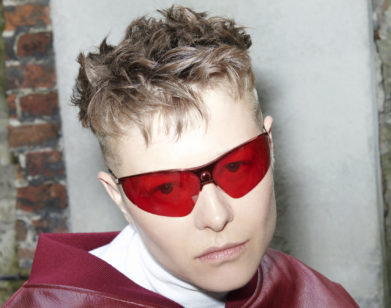
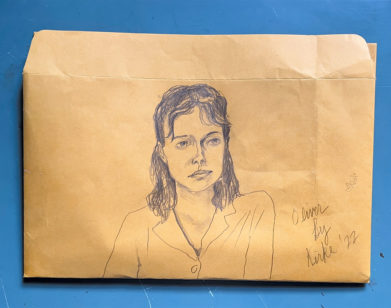
On House of the Dragon, Fabien Frankel has spent three seasons making Ser Criston Cole one of HBO show’s most reviled men, a steward’s son who claws his way to Lord Commander of the Kingsguard and burns every relationship along the way. In season three, which premiered on HBO in June, the British actor finally cracks open his character’s backstory, giving him the opportunity to better understand someone he’s mostly played as a closed book. He and Alison Oliver became friends shooting HBO’s Task together, and that ease was apparent when they recently reunited to talk about the particular anxiety of doing your own accent, the alchemy of a good self-tape, and Olivia Rodrigo group pics
FRIDAY 5 PM JUNE 19, 2026 LONDON
———
FABIEN FRANKEL: Ali.
ALISON OLIVER: I’m sorry, I was having a passcode problem.
FRANKEL: No, me too, dude. I was having all kinds of problems. Your hair’s so blonde. Is this for the movie?
OLIVER: Do you know what? It was much more red, and then I brought it to more of a blondie, and then I’m going back to my roots on Monday.
FRANKEL: You are looking very well and healthy.
OLIVER: Thank you, Fabien. Congratulations on season three.
FRANKEL: Thank you so much.
OLIVER: How are you feeling about it coming out?
FRANKEL: I feel excited. I’ve always felt, like, this really big anxiety about the show coming out, and I think for some odd reason I don’t feel as anxious anymore. Maybe because we’re older and so we don’t feel the same pressures as we did when we were younger.
OLIVER: Well, is the feeling of excitement that you’re excited for people to see it, as opposed to nervous about what people will think?
FRANKEL: Yeah, true. There’s a weird thing where it’s like, you already know that the people who have watched the first two are probably going to watch the third, so there’s a sort of safety in that. Whereas I think with the first season, I was so nervous about whether people were even going to like it, and I don’t feel that way anymore. I mean, you’re always worried about whether people are going to enjoy the work as much, but I’m not as nervous about whether the show’s going to find its audience.
OLIVER: I’m always so curious how people refine their character, because you’ve come back and played Criston Cole three times. Do you have things that make you feel like him? Are there things that you do?
FRANKEL: Yeah, I mean, it goes without saying as soon as you put on any period costume, you just stand different. You feel different. You wear a certain pair of shoes and your feet want to walk a different way. You know all about that, dude. And I think, weirdly, he’s just the stillest. I’ve never played anyone so still. There’s a somber stillness to him that I find easier now, but I really didn’t feel like I knew the character even by the end of season one. I still felt like I was figuring him out. And I didn’t feel that way in season three. I felt like I knew who he was.
OLIVER: He’s so different to you as well that sometimes that’s even more helpful, where you’re like, “Oh, I’m very much stepping into this other person.”
FRANKEL: Yeah, it’s true.
OLIVER: And how was the premiere?
FRANKEL: They’re always a bit crazy, those things. It’s so weird because I felt fine until I went downstairs and then, as soon as I got in the car, I suddenly felt so anxious. I got out of the car and I numbed out.
OLIVER: It is scary.
FRANKEL: Have you had anything like that?
OLIVER: I get nervous before everything, but I think it’s a different type of nerves when it’s like, “Oh, I have to be this kind of strange, public-facing thing that isn’t me, but is kind of me.”
FRANKEL: Do you know what I always equate it to? You know the first time you meet your partner’s parents, and you’re so weird? And your partner’s like, “Why are you being like this? Why are you talking like that?”
OLIVER: I know, it’s like you’re trying to be this perfect version of yourself. But by doing that, you’re just so weird.
FRANKEL: I’ve done this with a few friends where you find interviews of yourself and you’re putting on a weird accent depending on where you are. I remember at the first ever premiere, at one point I was, like, Welsh because I was being interviewed next to Rhys Ifans. And I was like, “What are you doing? Why are you talking like that?” It’s so abnormal as an experience. You turn into these little fake versions of yourself.
OLIVER: And it would be one thing if you were just having a conversation with someone, but you’re being filmed.
FRANKEL: And it exists forever.
OLIVER: It’s terrible.
FRANKEL: You know those videos you watch of actors in the ’90s in a bad mood in an interview, or they’ve suddenly switched up their accent because they’ve been in character on a job? I was in an interview the other day and this lady was like, “Where are you from? The States?” And I was like, “No, I’m English from England.” And she was like, “Huh, my cousin sounds exactly like you. He’s from Baltimore.” And I was like, “What?”
OLIVER: You were like, “Oh, fuck.”
FRANKEL: I feel the most uncomfortable acting whenever I’m doing my own accent.
OLIVER: Yeah, me too. I would love to figure out why.
FRANKEL: Same. I think it’s because I sort of feel like a fraud in my own accent. I don’t even feel like this is my own accent now. I still feel like this is an adopted version of how I think I should speak.
OLIVER: This is the voice you do when you’re in interviews.
FRANKEL: This is what I’m saying.
OLIVER: Yeah, I think it’s that maybe I don’t feel like I’m playing a character if I recognize my own voice.
FRANKEL: One-hundred percent. I also feel like it doesn’t give me enough work to do. Learning the accent feels like a part of the job. When you put all those hours into the accent, you’re like, “Oh, that’s another seven hours of work I did this week towards my character.” Which I [wouldn’t] feel like I had to do if I was doing my own accent.
OLIVER: When we were doing Task, did you feel that working on the accent was like unlocking the character as well?
FRANKEL: Yeah, always. It also helps if the script is good. On Task, the rhythm with which Brad [Ingelsby] writes is so sensitive to that area—Delco and Philly—that until you understand the accent, you can’t really fully understand what he’s written.
OLIVER: Was that your favorite accent you’ve done?
FRANKEL: Wow, that’s such a good question. I just did a movie where I played a Texan.
OLIVER: Oh, cool.
FRANKEL: Have you ever played someone from the South?
OLIVER: In college. We did a Tennessee Williams play in college, and I loved it.
FRANKEL: I bet you were great in it.
OLIVER: It’s one of those amazing things where the accent takes care of itself. With Tennessee Williams’s plays, if you have the rhythm and the voice, it almost tells you where to go.
FRANKEL: Yes. On jobs you’ve auditioned for, I’m curious whether you feel like the version of the character you auditioned with is far away from the finished product? I’m so fascinated by that.
OLIVER: I feel like a lot of the times—and maybe this is why you end up getting hired—it’s not that different.
FRANKEL: Even though you’ve done 5,000 times more work.
OLIVER: Months.
FRANKEL: Isn’t it mad? Sometimes I look at a self-tape on a job I didn’t get, and I’m like, this is so much better than what I would do if I had six months to prepare. I’m only getting deeper into questioning my own ability the more I go in.
OLIVER: But I think it’s the whole first instincts thing. Whatever the instincts are that you have for that character, they’re also your instincts. I remember Brad talking about this a lot with Task. He had an idea of particular people in his head and he wasn’t going to stop until he saw that energy.
FRANKEL: Totally. With auditioning, you have such a short period of time, so you have to just take a swing.
OLIVER: Yes, that’s so true. There’s also this kind of protection in only having had three or four days to do it. If you get it, you go, “I will be better because I only had three days.” Whereas if you’ve prepped something for ages and then get to the first day, you’re like, “Oh god, this is hard.”
FRANKEL: I just did this movie, which I won’t speak about in detail, but I got cast in a role that’s a million miles from anything in my previous work—no indication I could be right for this part. They just trusted the process and cast me. I remember getting there thinking, “I wonder what it is they could possibly have seen in my past work that made them believe I could play this.” Then getting there and not showing them they’d made a mistake.
OLIVER: That must be so exciting for directors—having an actor do something the world hasn’t seen them do before. What territory haven’t I explored yet?
FRANKEL: I remember you saying that about your hair—you’re always so excited to do something new with it for each thing. I thought about that because I know Kate Winslet does that a lot. She wears a wig for almost everything, Brad was telling me.
OLIVER: Oh, really?
FRANKEL: Yeah. I didn’t realize she wore a wig for Mare [of Easttown]. I totally understand why, because your hair is such an easy display of what you as a person want to represent in the world. So, your characters can do that, too.
OLIVER: Yeah. You were having a whole hair thing.
FRANKEL: Oh, buddy. I’m always having a bit of a hair thing.
OLIVER: I don’t know about you, but I get so inspired by music. I’ve been listening to so much music recently. Have you heard Olivia Rodrigo‘s new album?
FRANKEL: I’ve heard some of it.
OLIVER: It’s unbelievable. It’s such an amazing thing to write and express and share something everyone has gone through. All I’ve been listening to this week is that album.
FRANKEL: And you have a selfie with her.
OLIVER: Well, it’s a group pic.
FRANKEL: It’s not a selfie, it’s a group pic—I’m on the end of it. I look like I don’t belong there. It’s all the girls on our production, and then me and my mate Ed, who’d never even heard an Olivia Rodrigo song before that gig. [Mark] Ruffalo abandoned us.
OLIVER: Huge moment for me. How did we get tickets again? We showed up to the concert and said, “Hi, we’re just looking for the Mark Ruffalo tickets.” And they were like, “Who are you?”
FRANKEL: We were like, “We’re Mark Ruffalo’s people.” And they were like, “Well, okay, come in.” That was such a fun gig. Emilia Jones, who you’re working with again.
OLIVER: I know. What a legend.
FRANKEL: What an awesome situation, that you guys are doing another movie together. Didn’t you have one scene together in Task? Isn’t she in the toy stall in the Toys R Us?
OLIVER: Yes, yes, yes. Every time I think about that scene—
FRANKEL: What’s that line you had, Ali? “His parents make him sleep”?
OLIVER: “His father made him sleep here when he acted up.”
FRANKEL: Dude, I died. You know I’m not even in that scene now? Because of that acting, they cut me out. I’m just at the very end because everything else was unusable, since I’d be facing away from the camera laughing.
OLIVER: There were so many scenes in Task where I wondered, is that the only take they have? Because we were laughing so much.
FRANKEL: I realized on a different job, when people didn’t laugh as much professionally as I did, that I suddenly thought, “Oh, it’s not that funny.” When other people aren’t laughing with you, you feel like you’re lacking professionalism. But if you have one person in it with you, it’s okay.
OLIVER: Task was the only time I really let myself go in terms of laughing on a job. The first day, we got into a fit of laughter and I thought, “I’m going to be fired.”
FRANKEL: It’s awful.
OLIVER: And they were laughing, too.
FRANKEL: It was such a joyful job.
OLIVER: It was such an adventure to move to Philadelphia for that.
FRANKEL: A movie’s two and a half, three months. A show is six months. You pick up and move to a brand new country where you know no one, know nothing about the culture, and you live there. It’s surreal. I haven’t had that experience again since Task, which was two years ago. I wonder if it’ll happen again.
OLIVER: Your last job was in Budapest, is that right?
FRANKEL: Budapest and New Orleans.
OLIVER: Oh, New Orleans. What a special thing.
FRANKEL: Have you been there?
OLIVER: Yeah. I love how witchy it is. I got my palm read three times.
FRANKEL: Isn’t it energetically one of the coolest cities? How long were you there for?
OLIVER: A week, I think.
FRANKEL: We were on all-night shoots, a crazy time. We shot on Bourbon Street, closed it down. Extra crazy people would break onto the set and put themselves in scenes, start bar fights.
OLIVER: Wow.
FRANKEL: It was crazy. Where were you staying?
OLIVER: You first.
FRANKEL: I was at this really old hotel, famously Bill Clinton used to stay there. Right by Bourbon Street, right opposite Caesars.
OLIVER: You were right in the heart of it.
FRANKEL: We were also in the middle of the countryside, like a swamp. There’s an amazing director, Benh Zeitlin, who made a movie there.
OLIVER: It’s such a good movie.
FRANKEL: He’s working with Paul Mescal and Jessie Buckley now. He’s lived in New Orleans for 15 years. He lives and breathes New Orleans. I’d love to go for Mardi Gras.
OLIVER: Me too. That would be incredible.
FRANKEL: We should organize a trip.
OLIVER: Get the band together.
FRANKEL: Get Emilia [Jones] out there making TikToks.
OLIVER: When is Mardi Gras?
FRANKEL: February 9th. Well, Ali, I really love you, and I really appreciate you doing this.
OLIVER: Of course. Always. Thank you so much.
FRANKEL: I love you. Bye-bye.