


NOW PLAYING
“Yes, You Need to Be Naked”: Inside the Making of HBO’s Neighbors


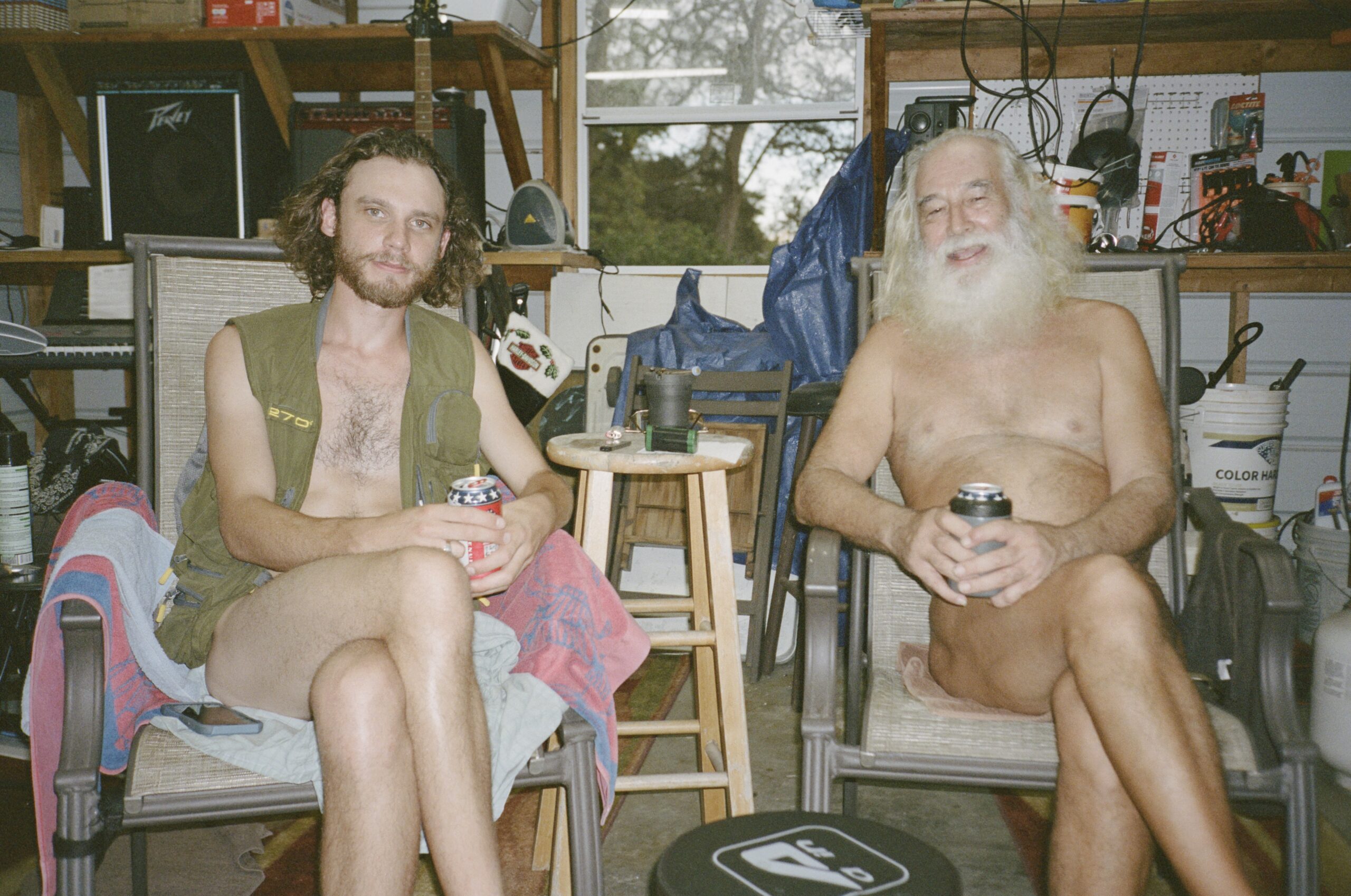
Neighbors begins, fittingly, as a kind of internet spiral. Before it was an HBO docuseries, it was a shared obsession among co-directors Dylan Redford and Harrison Fishman, plus Fishman’s brother Sam, the project’s executive producer and cinematographer, who began cutting together compilations of neighbor disputes in 2019 while living in Miami. Grainy ring-cam meltdowns. Shirtless men screaming over property lines. Women weaponizing leaf blowers. The videos were raw, tiny operas of ego and grievance. Soon the trio were staging their own fake disputes, hiring actors, posting them online, trying (and failing) to convince the internet they were real. The joke, of course, was that reality was much stranger.
When their friend Steve Smith floated funding for a small pilot, the bit mutated into something more ambitious: What if they filmed real neighbor disputes as they unfolded? They saw these conflicts as “windows into the American psyche,” a phrase that sounds academic until you’re watching two grown adults wage psychological warfare over a fence. The result is completely unhinged. I watched all six episodes in a state of constant shock and low-grade anxiety, unable to believe these people existed, then unable to stop thinking about them altogether. This led me to casting director Harleigh Shaw, whose work on the series is its own feat of endurance art. Building trust with subjects, sometimes living alongside them (including two weeks with nudists), she locates not caricatures but full human ecosystems. Just before Neighbors premiered on HBO Max, I spoke with Redford, Shaw, and Fishman over Zoom, about the strange intimacy of filming people in the dark, traveling the country in search of a true cross-section of America, and pointing a camera at someone mid-meltdown, totally naked.
———
CRISTINE BRACHE: Hey guys.
DYLAN REDFORD: Hey.
HARRISON FISHMAN: Hey, Christine.
HARLEIGH SHAW: Hey.
BRACHE: How are you doing?
REDFORD: Good, how are you?
BRACHE: I’m good. Where are you guys at?
SHAW: We’re at our apartment [with Harrison].
BRACHE: And are you in L.A., Dylan?
REDFORD: No, I’m in New York. I’m in Dumbo at the Gummy Films office.
BRACHE: Oh, cool. Harrison, I see you don’t have a shirt on.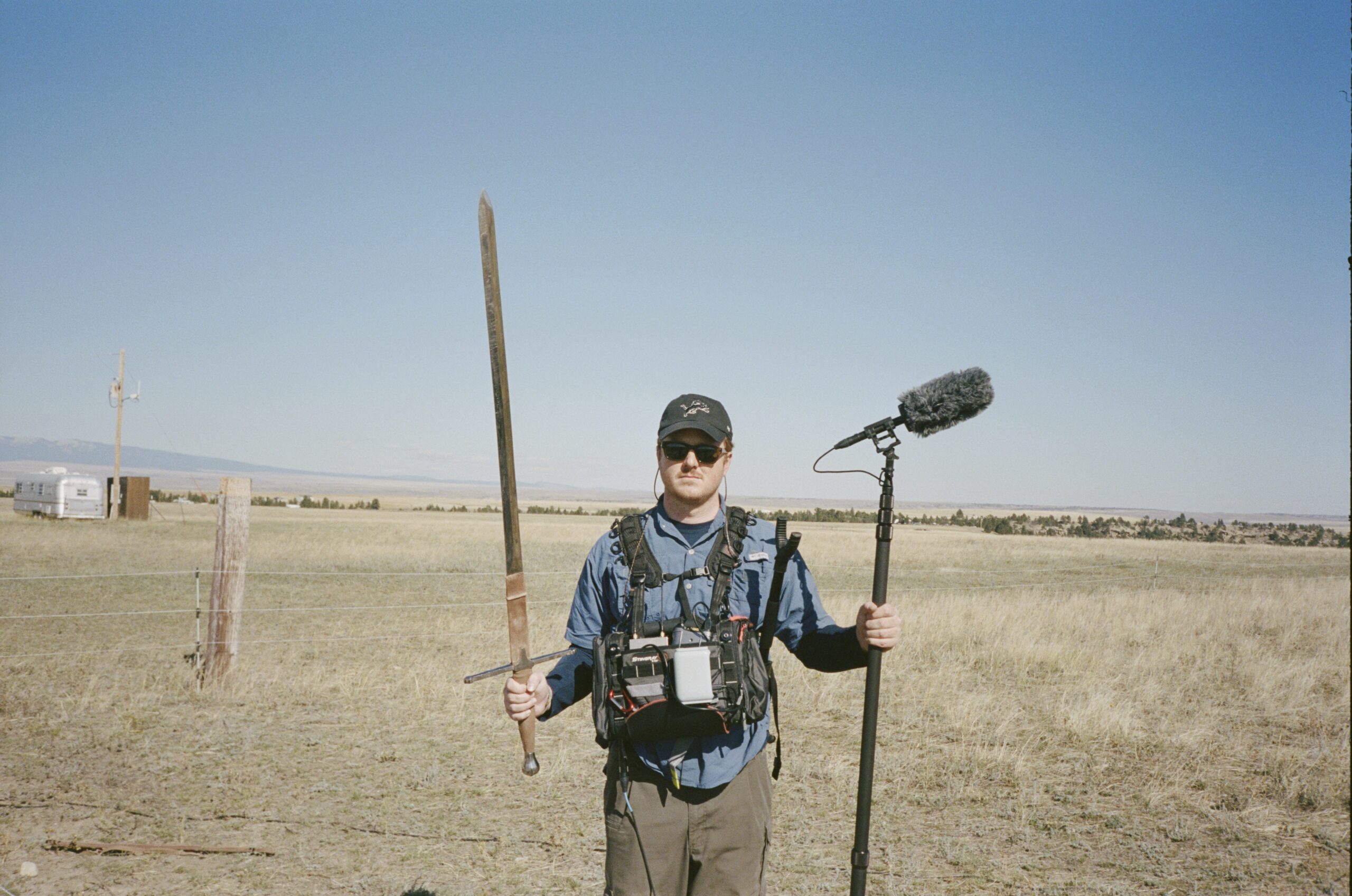
FISHMAN: I’m not wearing any clothes right now because this is about nudism. I think for the sake of the interview we should say that all of us were just nude the whole time.
BRACHE: I agree. So I’m in London and I have a show opening, which is why I can’t come to your premiere tomorrow in New York. How are you guys feeling about it?
REDFORD: Nervous, but also excited. It’s basically the first time that a real, public viewing of our show will happen. We’ve made this thing just with friends and family for three years. We all think it’s funny and feel really good about it, but now we get to see what an audience thinks, and also the rest of the country.
FISHMAN: Also, the show really mirrors how we met these people and ingratiated our lives into their lives. I feel like it’s very personal in that way, and it’ll be cool to really show people who we met.
SHAW: A lot of my nerves dissolved already after the trailer came out, because all of the subjects are super excited about it. The idea of them seeing it for the first time is the most nerve-racking part for me personally.
BRACHE: Because you want to do right by them?
SHAW: Yeah, of course. I want them to love it, and feel like they and their stories were represented in a way that feels true to them.
BRACHE: I love watching things in big groups when it’s stuff that I’ve made, because you get to hear people laugh. I’m really curious to see how the internet responds to this show in particular because it’s just so unhinged.
FISHMAN: It’s funny, I feel like we all went from making videos that we put right onto the internet for a small audience or short films that go to some festivals to making a show that all of America is going to see. That jump is crazy.
SHAW: It’s surreal.
BRACHE: It was a pretty small production, right?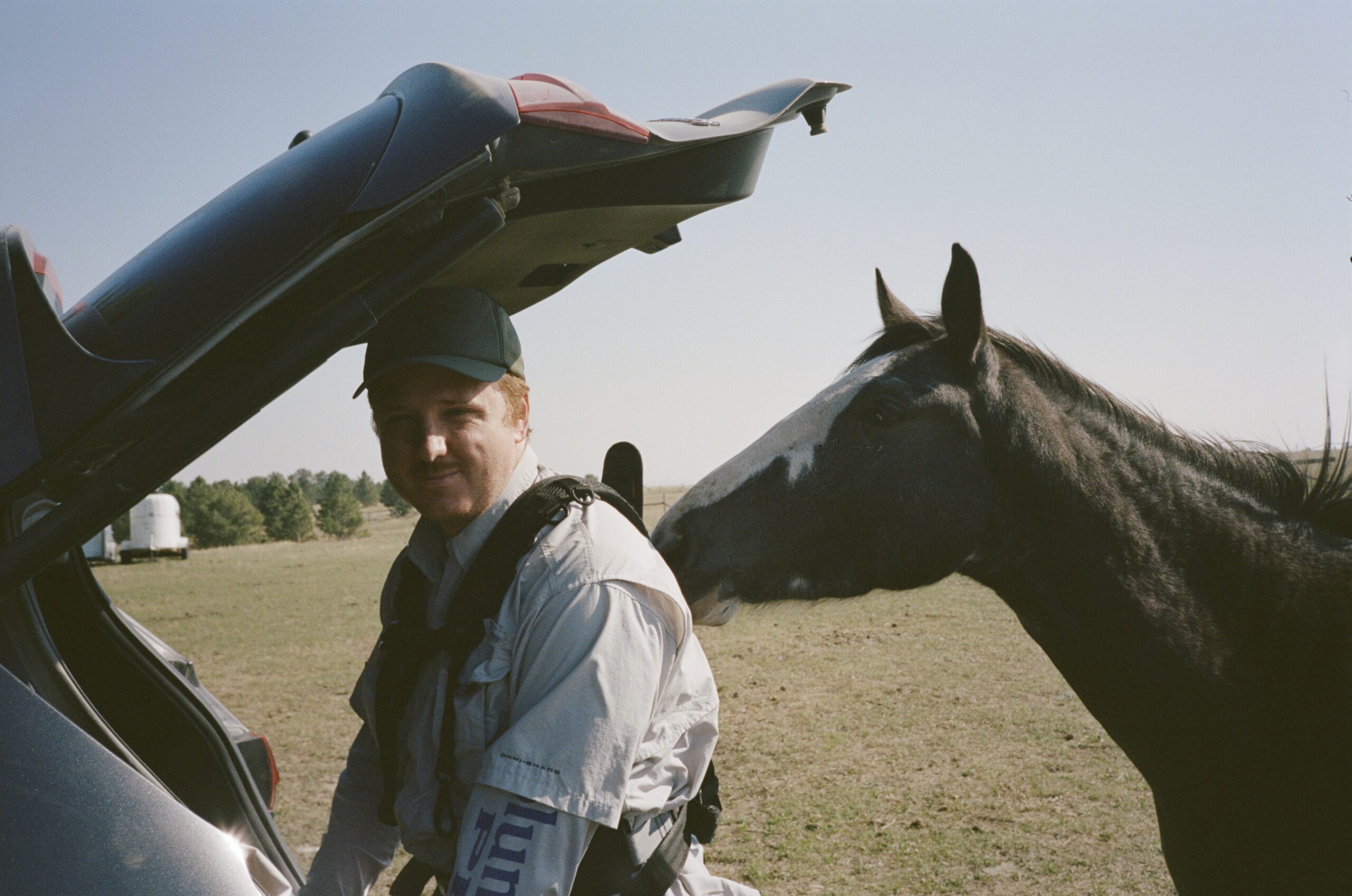
REDFORD: Yeah, we did a lot of things ourselves and we kept the team really small. We had our producer based in New York, Rachel Walden, and then Harleigh was also there doing all of the casting work. Lena Redford, story producer, worked with Harleigh, hunted down story leads, helped market the casting call, and now, the show. Then on the ground it was me running sound, Harrison running A camera, Harrison’s younger brother Sam running B camera, and then Andy Ruse, our producer.
SHAW: It was an insane process. It was definitely the most challenging thing I’ve ever been tasked with casting, because you’re not just trying to get one person to be in a documentary—you’re trying to get them and their neighbor that they hate to do this together. We worked with a whole team of subject producers and researchers, and there were different people who cycled in and out, including Lena Redford, Dylan’s sister. We could have found enough stories and made a show in two months, but the show would’ve been all 60-year-old white ladies who hate each other, you know what I mean? To get the variety that we wanted in the season took some time, and we wanted it to feel like a mosaic of our country in the present moment when we were making it.
FISHMAN: Harleigh did such an amazing job. It’s really hard to find wealthier people who are in a dispute who are willing to go on camera.
SHAW: That was the hardest one.
FISHMAN: And you found Jeff, who was a senator, which is crazy.
BRACHE: And his neighbor across the street from him, I was just completely surprised by her existence. Because she thinks she’s an alien, right?
FISHMAN: Well, Cristine, we believe that Alexa is an alien too.
BRACHE: She’s an alien, but she’s also an art advisor too. Like, a regular conventional art advisor?
FISHMAN: Definitely.
BRACHE: I feel like a lot of the people that were cast have such niche interests that I could have never fathomed existed. Each episode I just kept feeling baffled in many different ways. I think it’s a big testament to the casting. It captures the cultural divides in America, and I think it also points to how absurd a lot of these really passionate positions are when it’s all said and done. Because it’s expressed through the microcosm of the neighborhood dispute, but really it represents cultural disputes in America.
SHAW: That’s what we were talking about a lot throughout the whole process.
BRACHE: I thought that was really smart. I was really curious about what it was like to really earn these people’s trust? How long did it take?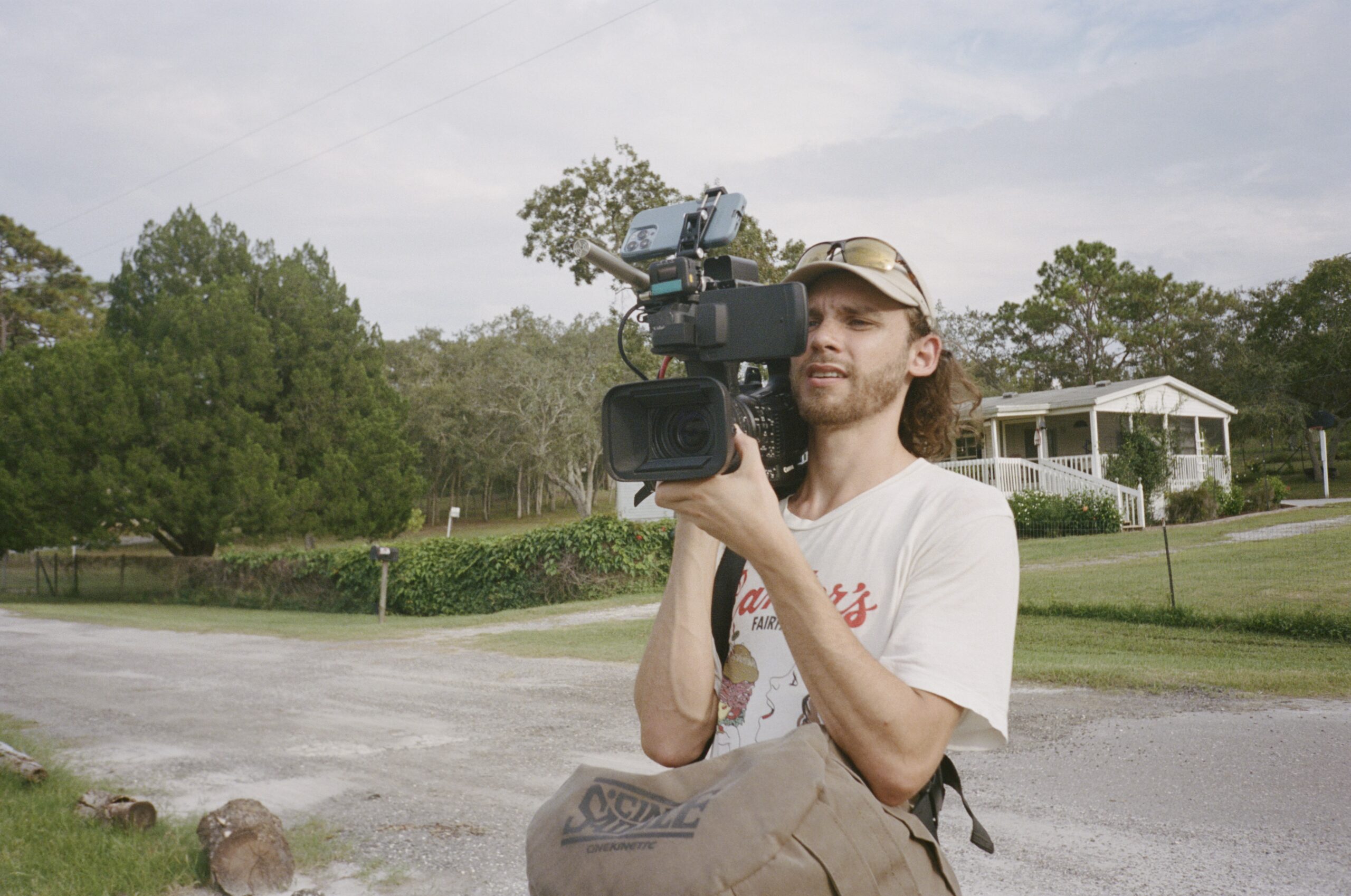
SHAW: I mean, with the pilot specifically, Harrison and I were able to just walk up and knock on those neighbors’ doors and build a trust in person. We didn’t always have the opportunity to go in person depending on where it was in the country, because we didn’t really have the budget for the casting team to be traveling all over. So a lot of the trust had to be made in the initial phone calls. Me and the whole team of subject producers had sometimes three hour long calls with people followed by another three hour Zoom with someone’s whole family. There were these trust-building things—caring about the problem, listening to them. I think it helped having a small crew as well.
FISHMAN: But you and the whole casting team, it’s like a 24/7 job because it doesn’t end.
SHAW: Yeah. Like, you get a text in the middle of the night on a Sunday and they’re unsure. So it’s just about talking them through it.
BRACHE: What do you think the subjects want when they say yes to being filmed in a documentary like this?
SHAW: I think they just want to be seen and heard. In a lot of these cases they’ve tried calling the cops, they’ve tried everything to try to get their neighbor to stop and nothing works. They’ve been dealing with it so long.
FISHMAN: Yeah, it’s sort of unfortunate that if you’re in a neighbor dispute you really don’t have many options. The police really can’t help you because it’s a civil matter. A lot of the time police tell you if you’re in a neighbor dispute to film and document everything. That’s why people end up over-documenting and creating this crazy database of footage.
BRACHE: Oh yeah, that was insane. So many of the neighbors were just compulsively photographing. I couldn’t see myself in a position where you spend so much of your energy on this matter, but it means so much to these people. But each set of neighbors had that level of intensity. How do you interpret that?
REDFORD: I mean, for a lot of these people their entire net worth is wrapped up in their home. And I think that reflects a larger issue in our country, that it’s very difficult to buy a home, the disappearing of the middle class and the housing crisis. Also, these things often come down to property value. If someone’s doing something that takes away visually, or does something aesthetically that looks bad, or if you lose a little bit of land, all of that does affect your property value which then affects your savings, how much money you have and your ability to keep your home. Those are the underlying stakes to the whole thing. Then, as Harrison said, the system itself for litigating and deciding who’s right and who’s wrong is predicated on creating a story. And the only way you can tell that story in civil court is by having as much evidence as possible. So our subjects have to become their own filmmakers and they have to document everything to tell the most compelling story in order to protect their land and their value. I think all of our characters are very idiosyncratic and have really interesting private lives, but I also think that any person in the US is capable of finding themselves in this situation. And oftentimes, neighbors who win in court are just better storytellers. They know how to position their story in a way that makes more sense than the other person, even if factually the other person’s right.
FISHMAN: Or they just filmed more.
REDFORD: Totally, totally. It’s like you have to take the initiative and do the work.
BRACHE: What’s the guy’s name from the second episode, the Jacuzzi guy?
REDFORD: Darrell.
BRACHE: He was amazing.
FISHMAN: Oh, I know. He’s a special guy.
BRACHE: Very special. And his house and his partner, they were just so adorable. Whose idea was it to do night vision pillow talk?
FISHMAN: That was our idea. To be totally honest, filming Darrell and Bruce sleeping in night vision was surreal.
BRACHE: It seems like such a surreal experience to sit there and record these people in these rooms. It’s just so intimate. I’ve never really seen that before in a documentary, but I was thinking that in reality TV shows they probably–
REDFORD: They do it a lot. Yeah, it’s in Survivor, and Big Brother.
FISHMAN: But it was important to us to do that because we just wanted to show the level of intimacy that we had with these people. They really opened up their lives to us. We’ve always talked about how grateful we were to get the access we did. It’s important for documentaries in general, but for this show, access is everything.
BRACHE: Did you guys ever feel afraid about the amount of tension between the neighbors? I felt so much anxiety when I was watching the whole series. Some of them even had guns. You were kind of imminently close to fatal violence at all times.
FISHMAN: Well, we never felt afraid that any of the subjects were going to hurt us intentionally, ever.
REDFORD: Or really hurt each other either.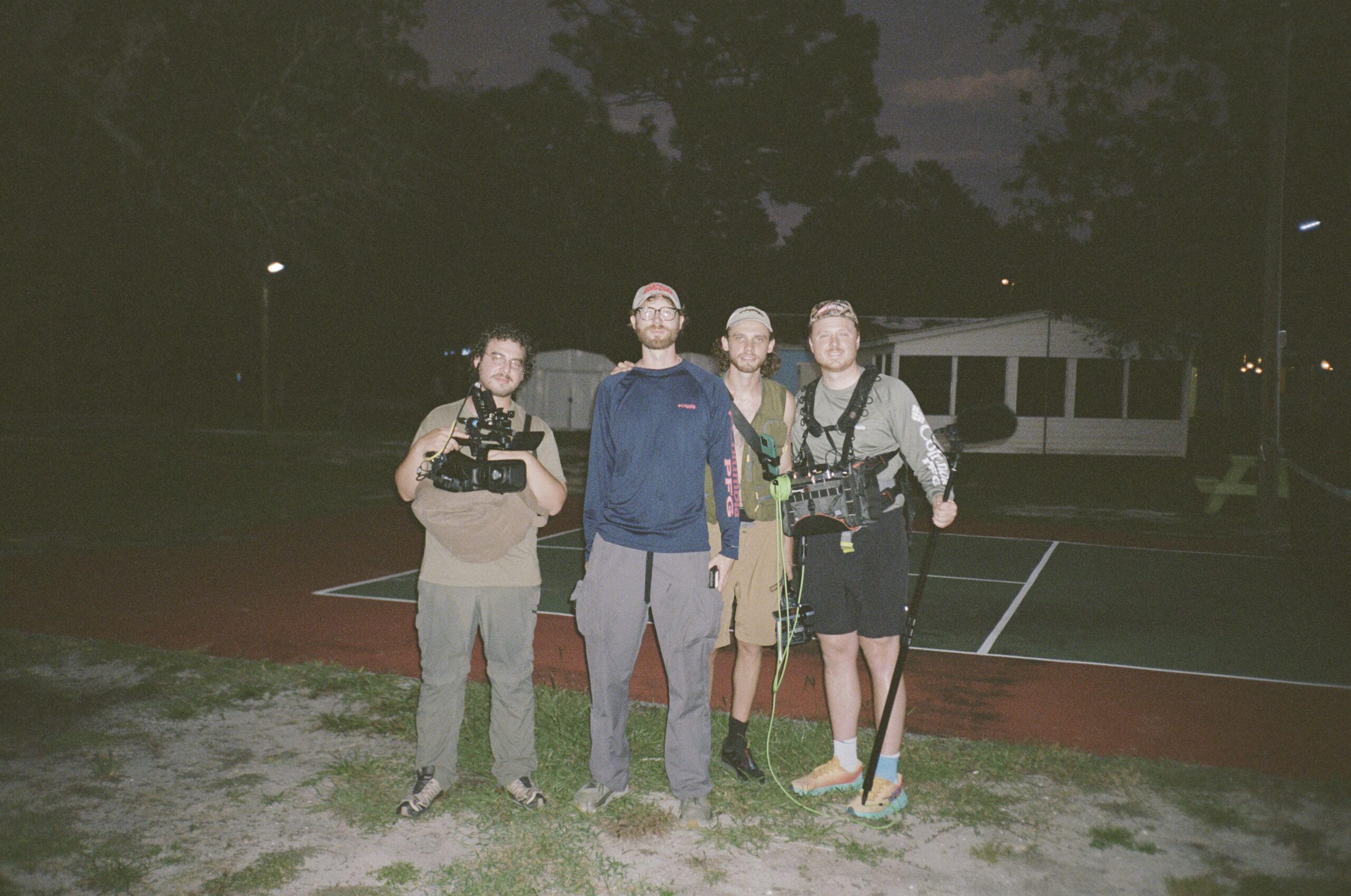
FISHMAN: I think the only times we were really afraid for our life were when people brought out guns and we were afraid they were accidentally going to go off. I mean, it’s intense and people do say really wild things about the other party.
SHAW: But, for example, for one story, our subject producer Max, found them on TikTok. And when he was first talking to them he describes his neighbors as these violent people. He was like, “Don’t even try to contact them, you’re going to be in danger.” Then I finally get in touch with the other side, and they’re like, the nicest, warm-hearted people. But there was always a hearsay threat of violence, especially in the casting process. They’re working themselves up about something, but if they were able to just sit and talk with the neighbor they would see that they’re not as scary as they think.
REDFORD: Yeah. I feel like we trusted Harleigh to vet out stories early on that felt too dark or too dangerous. I feel like that’s something you had to deal with a lot.
BRACHE: So I just also want to circle back to Harrison’s nudity—
FISHMAN: I’m naked right now.
BRACHE: Yeah. Harleigh told me that you guys spent two weeks in a nudist colony gaining trust from the community for the season finale, which was beautiful. I should mention that Harleigh and Harrison are a couple, also.
FISHMAN: We’re a couple, yeah.
BRACHE: I want to know, Dylan, why did you pass on the nudist colony?
REDFORD: Well, it was a little bit of a budgetary thing because Harleigh and Harrison were on the East Coast and had housing in Florida, so it was a lot easier for them to fly down. But honestly, them being a couple is actually really critical to the success of this. It built so much trust and joy from the people that they engaged with, and I think a lot of these communities are looking for young couples specifically to move in and to start young families.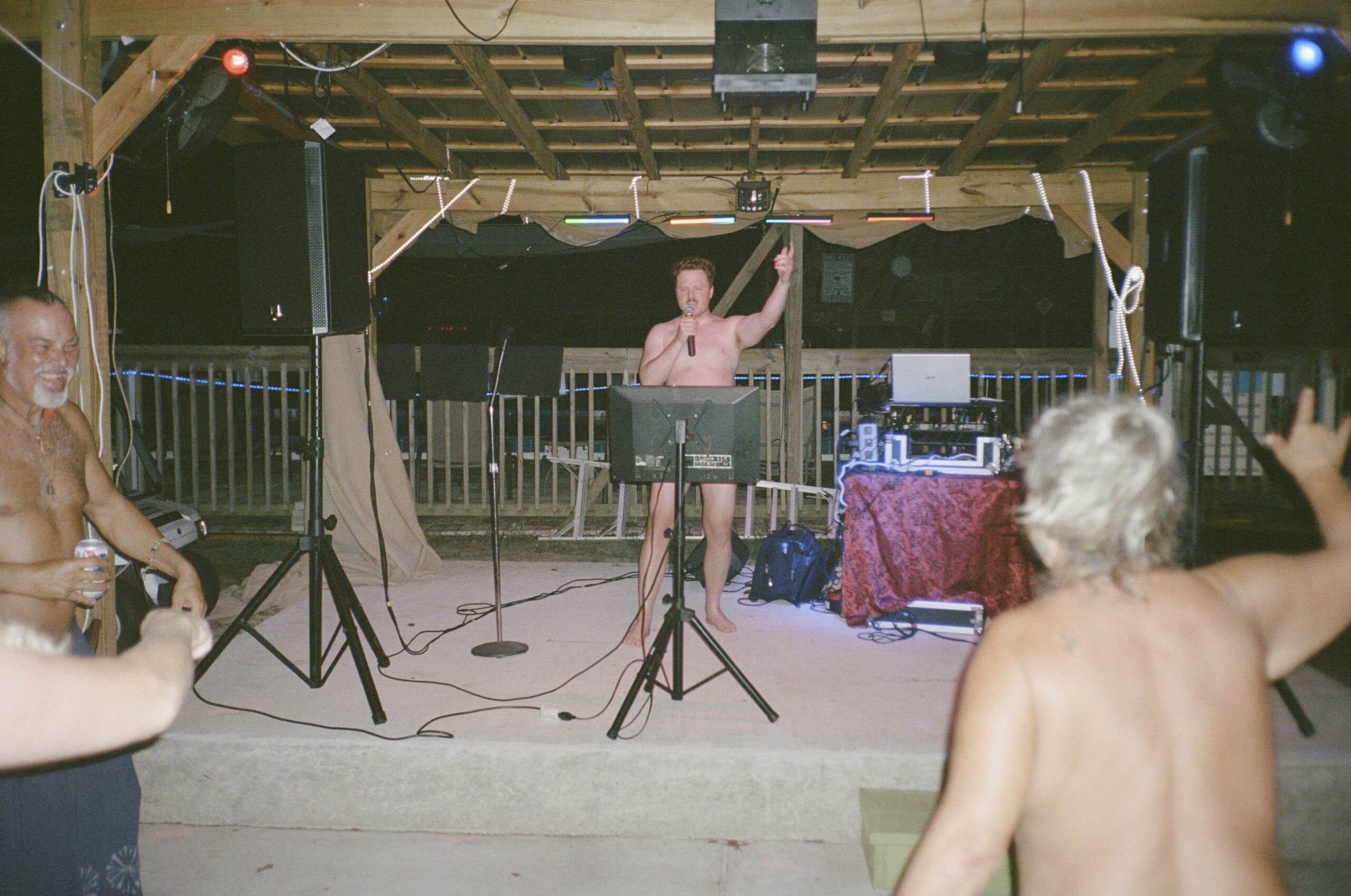
BRACHE: So wait, you guys all had to be in there naked while you were shooting?
REDFORD: Yes.
BRACHE: Oh my god.
FISHMAN: We filmed completely nude.
REDFORD: Yes.
BRACHE: The whole crew?
FISHMAN: The whole crew.
REDFORD: Yes.
FISHMAN: There’s a lot of documentation of this.
BRACHE: That’s such a bonding experience.
FISHMAN: Sam, my brother, would wake up every morning when we were filming this story and ask, “Do I need to be naked? Do I need to be naked? Do I have to film naked?!” And it would be so painful but I would say, “Yes, you do need to be naked.” In some of these communities there’s rules around nudity. But also filming people that are nude when you’re fully clothed is inherently really strange and voyeuristic.
REDFORD: And super negative.
FISHMAN: Super negative. You’re immediately an outsider. It’s so much weirder to wear clothes there than to be naked.
SHAW: I mean, we even had to be comfortable with them taking pictures of us naked. That was one of the most bizarre realizations, I think.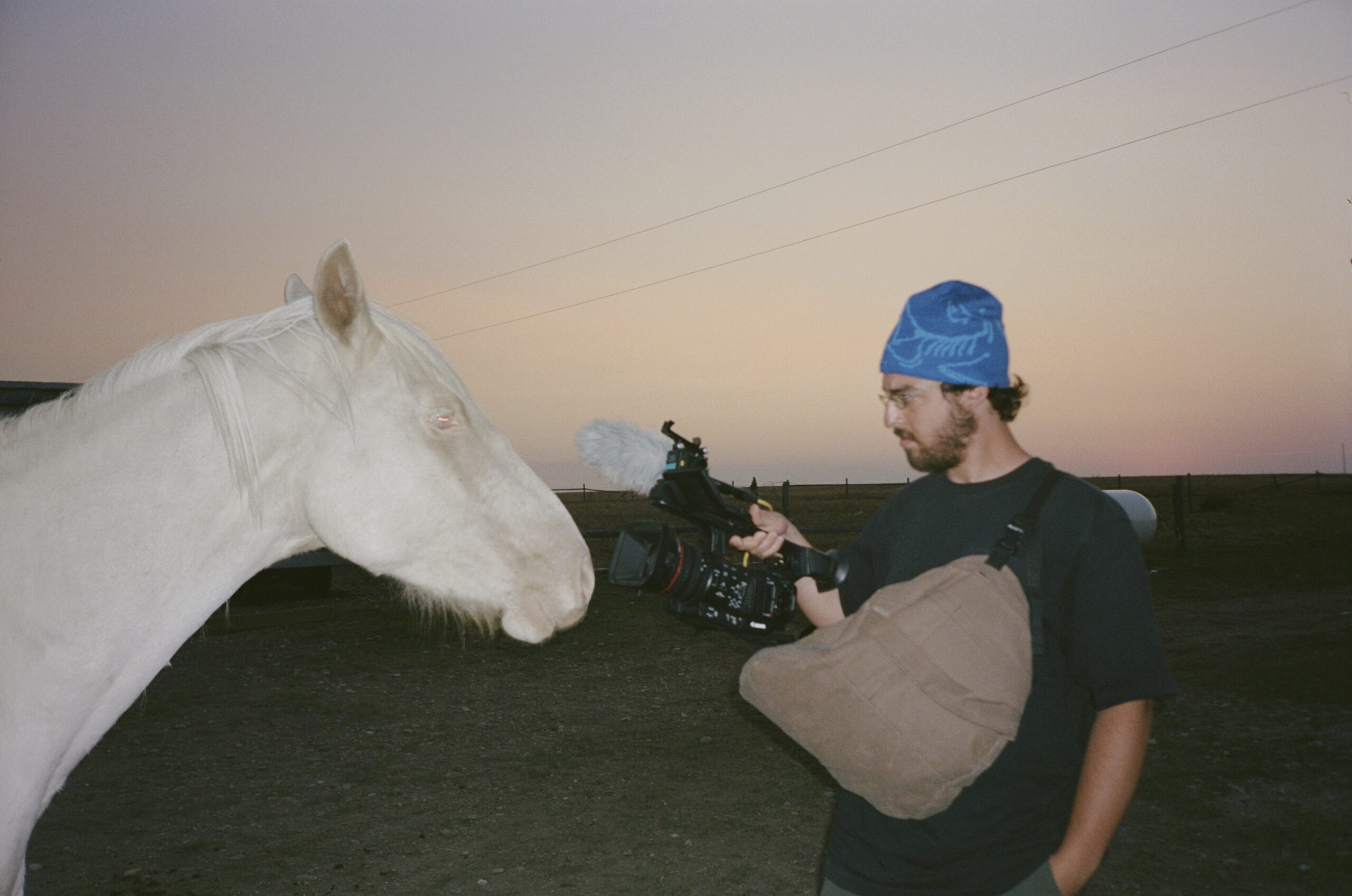
FISHMAN: Right. Even during the casting trips they would start taking photos of us.
BRACHE: Harleigh was telling me about how this is the nudist capital of the US.
FISHMAN: Of the world. It’s Pasco County, Florida.
BRACHE: Oh, of the world?
SHAW: Yeah. They’re mostly gated communities. But they vary. Some of them are super nice and will have a whole clubhouse and restaurants and stuff. Some of them are a little bit more simple. They’re all within an hour radius from each other, so we spent time in a variety of them.
REDFORD: I feel like you guys basically are nudists.
FISHMAN: We’re nudists.
REDFORD: This is an important distinction: I am not a nudist. I hated every moment that I had to be naked because I sunburn really easily and I sweat a lot and it sucks to be naked all the time.
BRACHE: When I think about the show overall, you guys saw a lot of America. What’s your overall take on the country based on your experience?
FISHMAN: We were just talking about it yesterday, but making this show made me love and appreciate America so much more than I had previously. If you take it on a surface level, the conflict is inherently uncomfortable. But the people themselves are just amazing, and our country is so diverse. 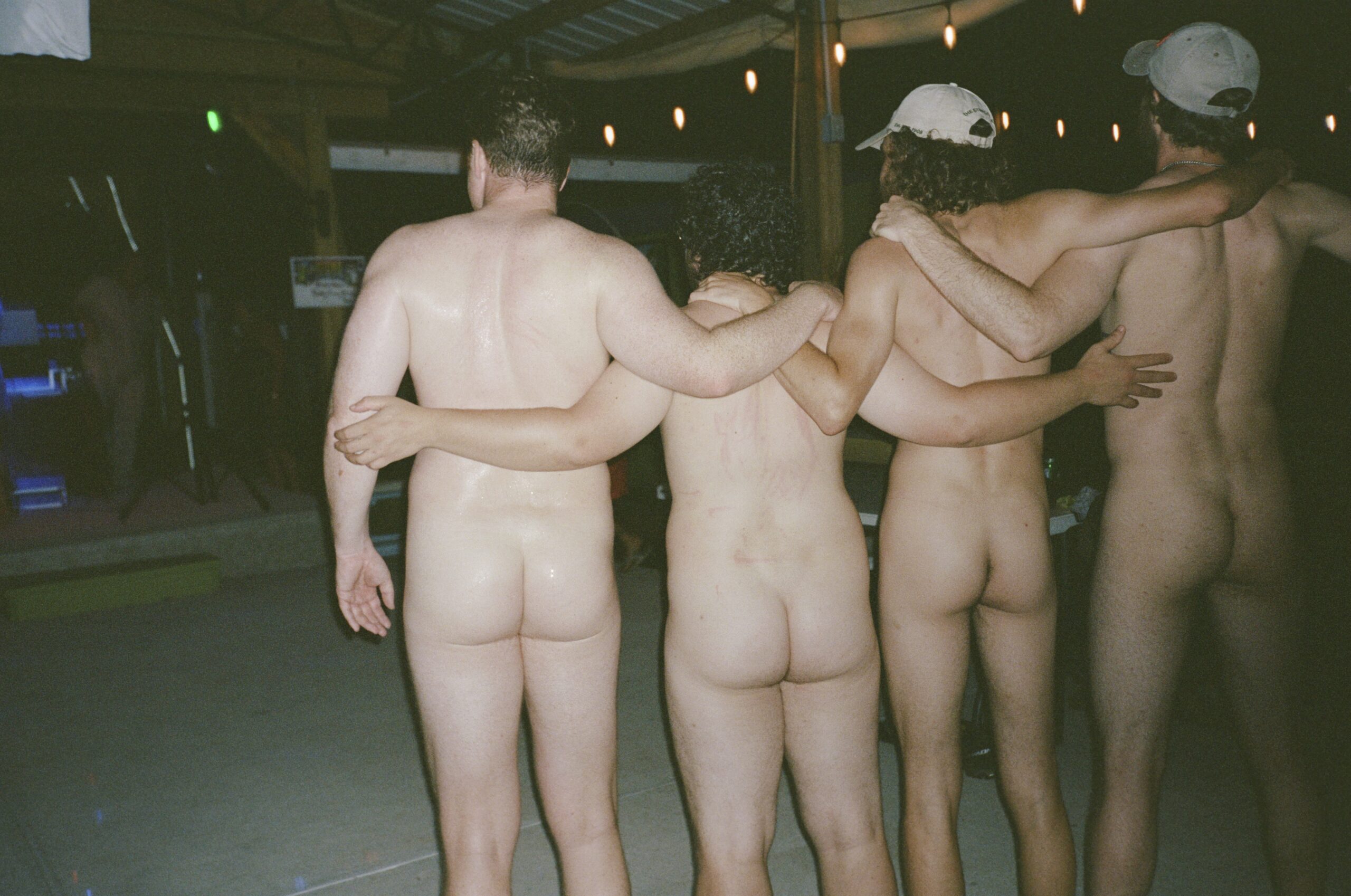
REDFORD: I think there’s a little ounce of hope here, because these neighbors that are in conflict had a lot in common, and we had the opportunity to see that. We could occupy this point of view that neither one can occupy, where we see those commonalities and those places of overlap. I don’t know what it would take and how it would happen, but it does give me hope that somehow there’s a way for some of these neighbors to see how much they have in common and how similar their worldviews are.
BRACHE: Yeah, it seems almost like if you humanize the person you’re in conflict with it’s easier to empathize with them.
REDFORD: That’s a great way of putting it.
BRACHE: Anyway, thank you so much for taking this time.
REDFORD: Thank you for doing this.
SHAW: Thank you so much. This was awesome.
REDFORD: We love talking to you about this show.