


SUPERMODEL
“I Don’t Have to Run Anymore”: Supermodel Alek Wek Looks Back on a Life in Fashion


All photos courtesy of Dara.
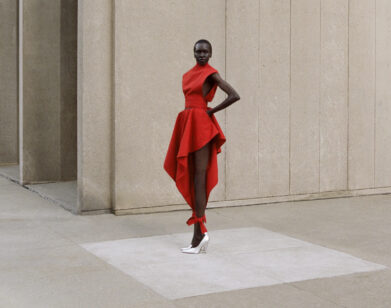
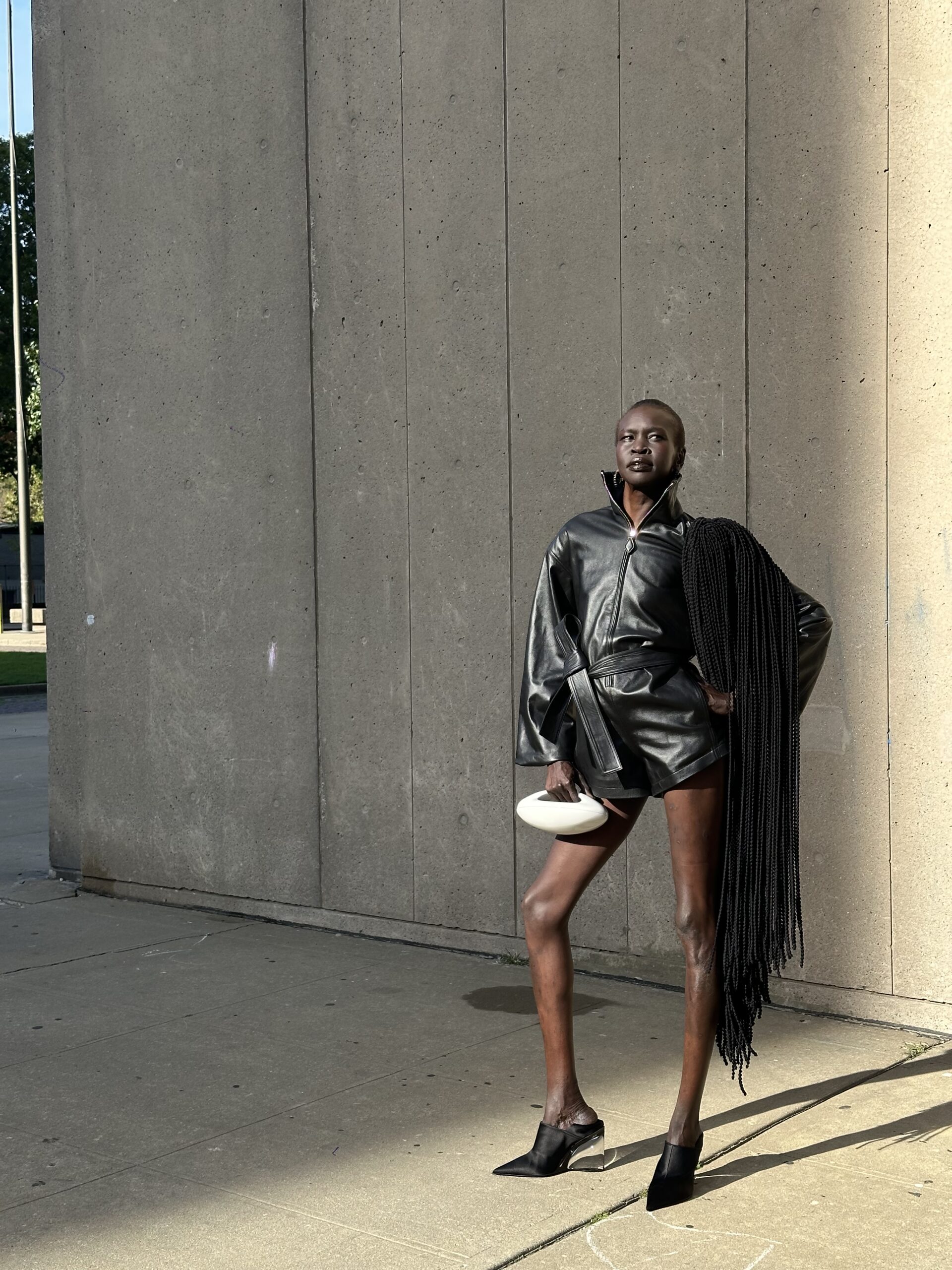
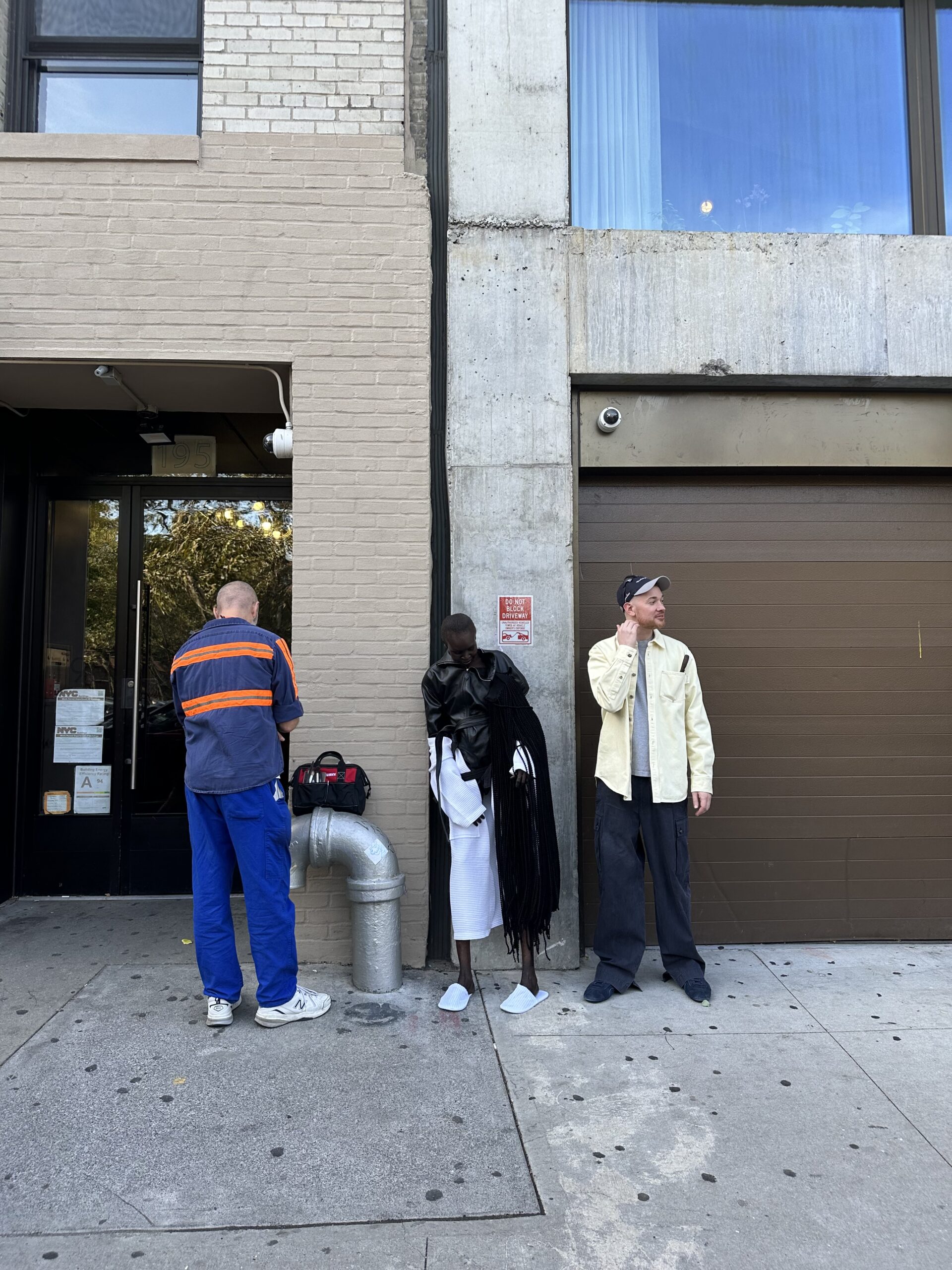
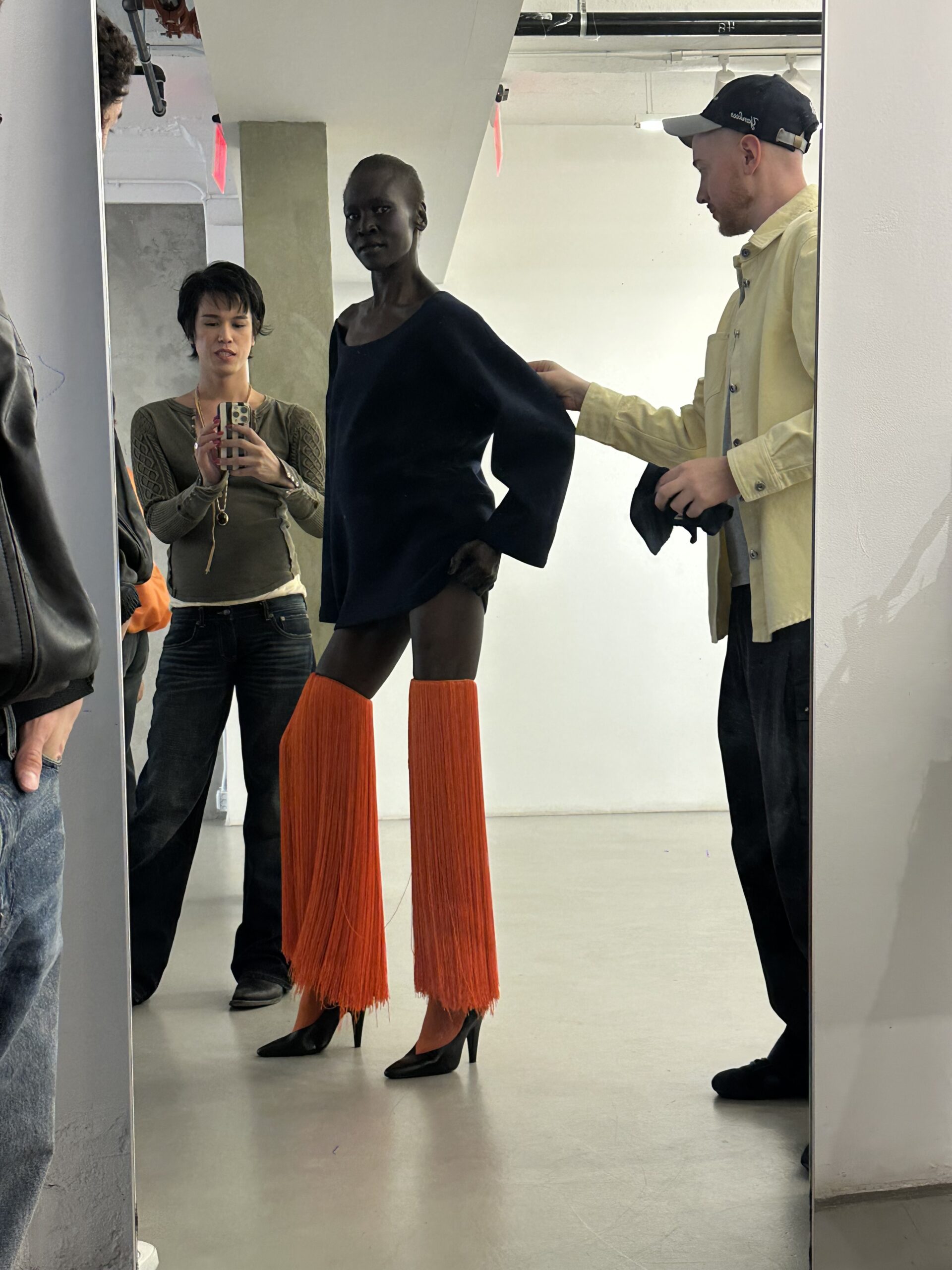
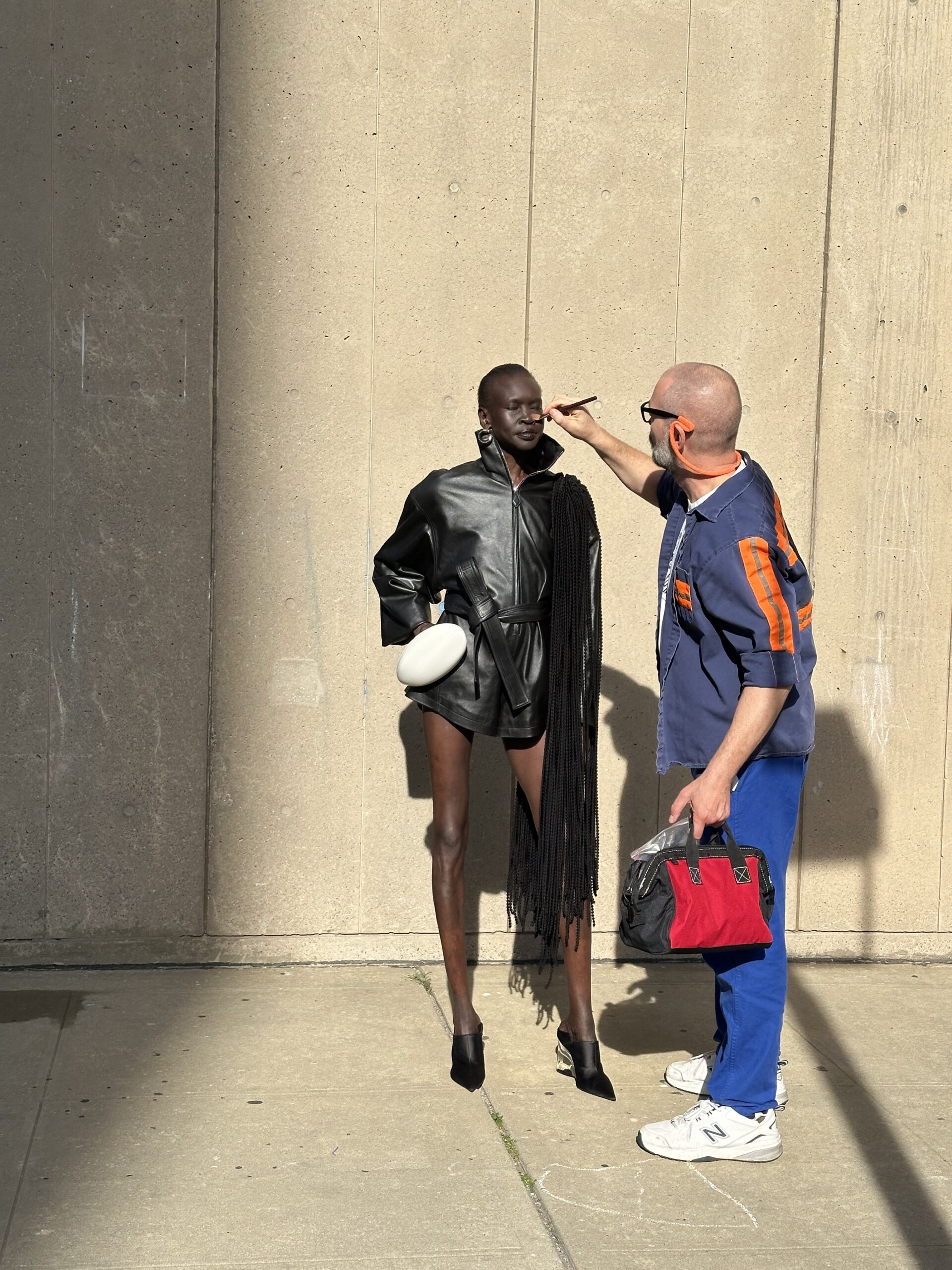
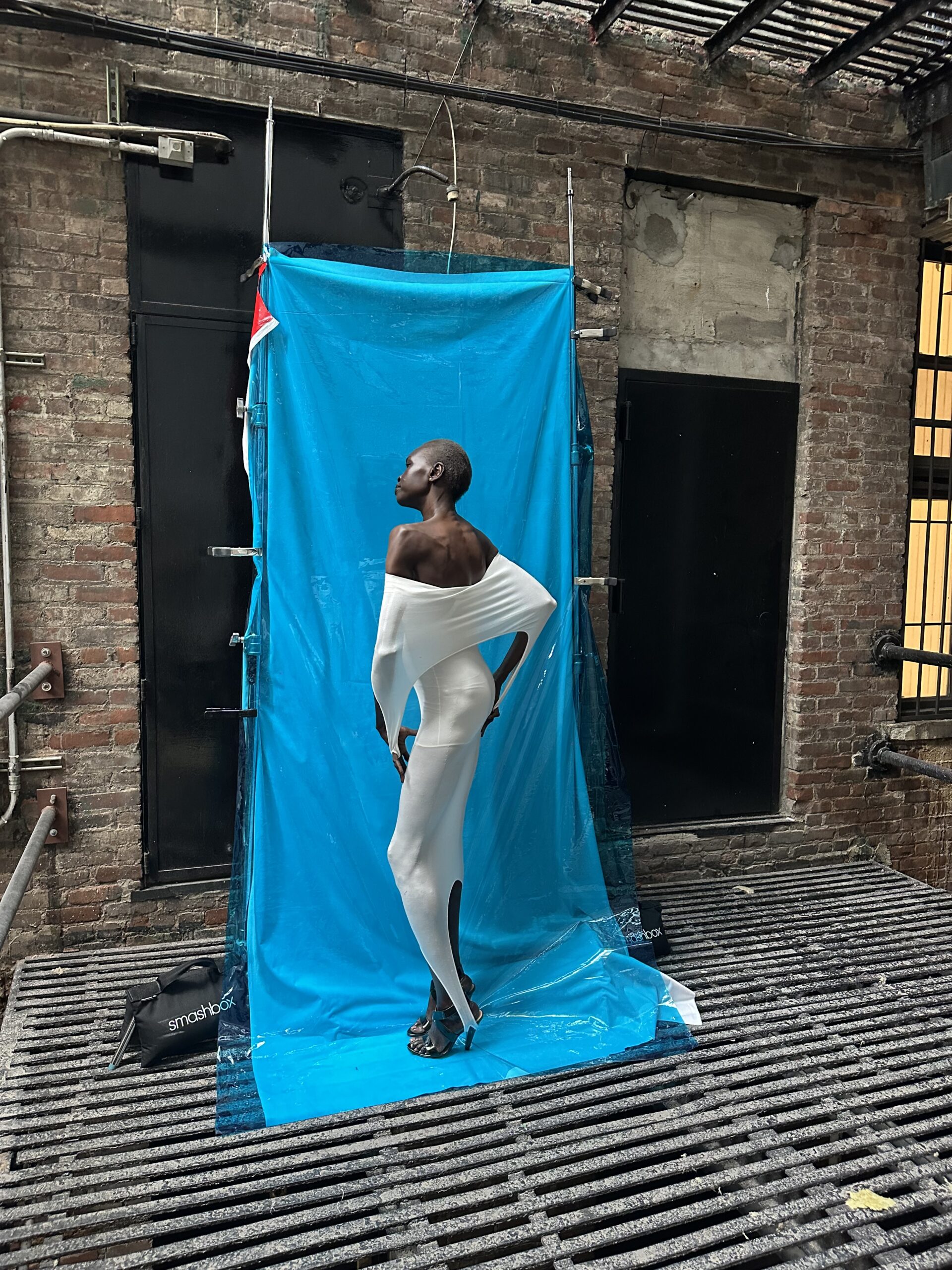
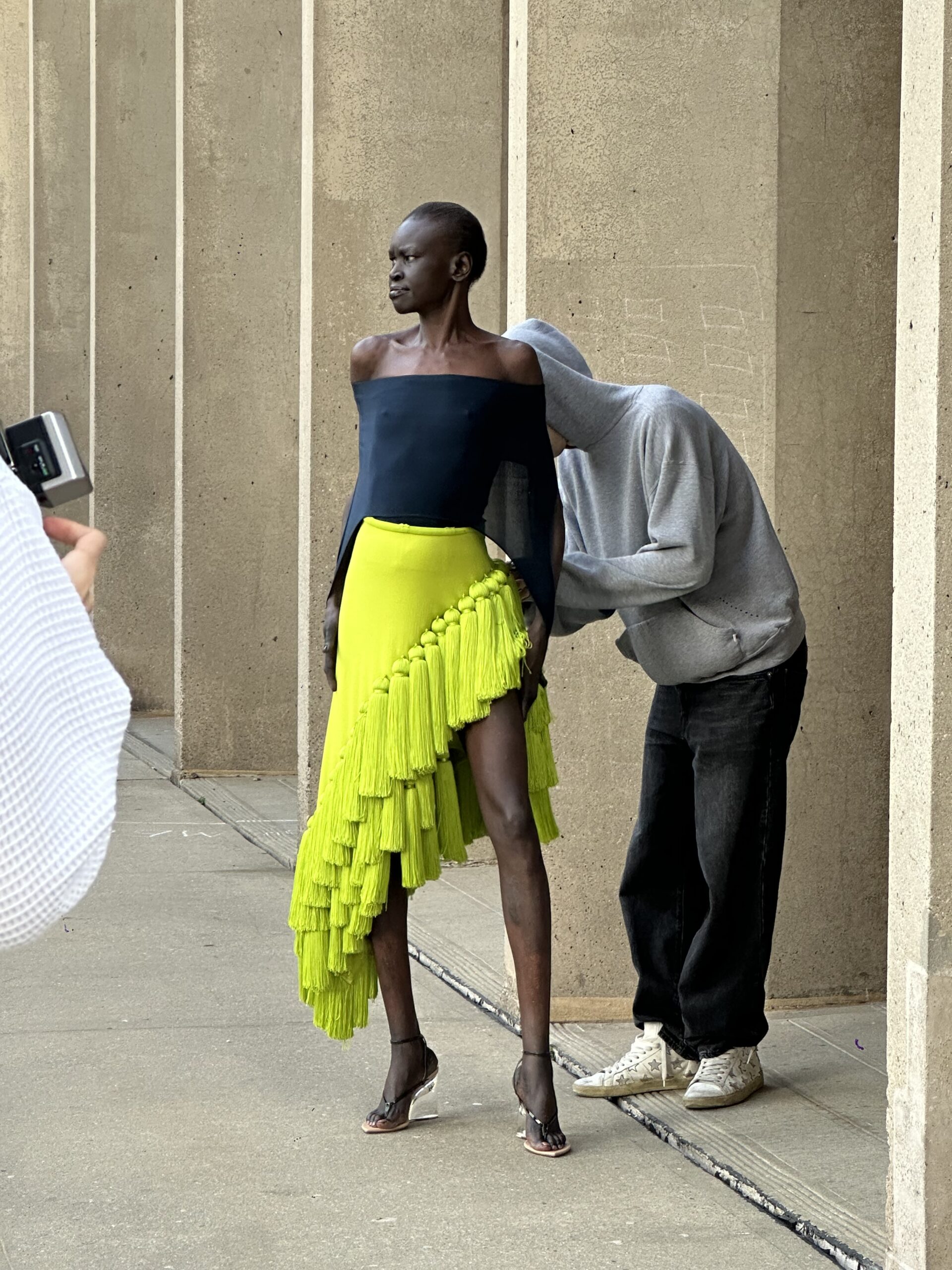
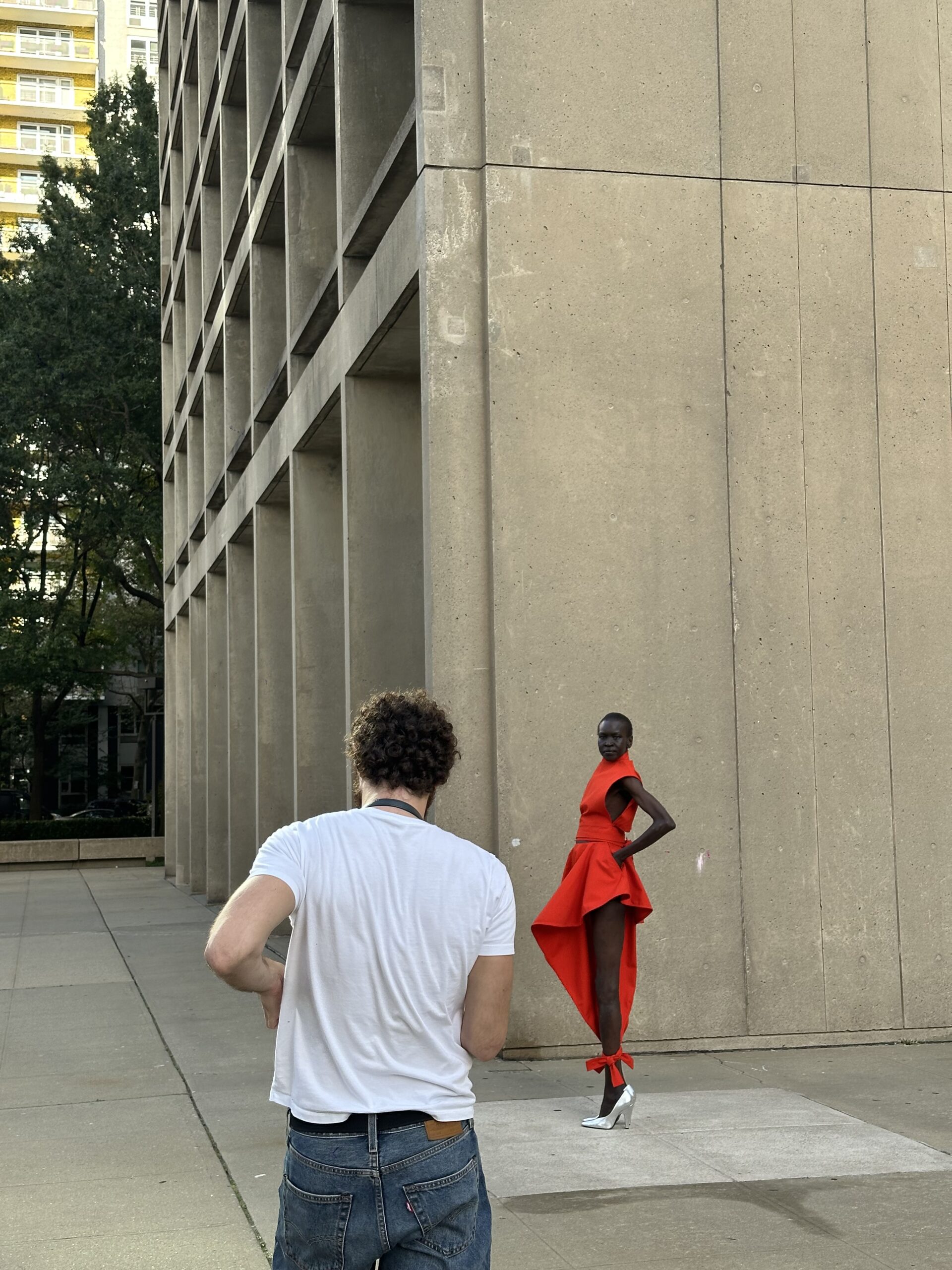
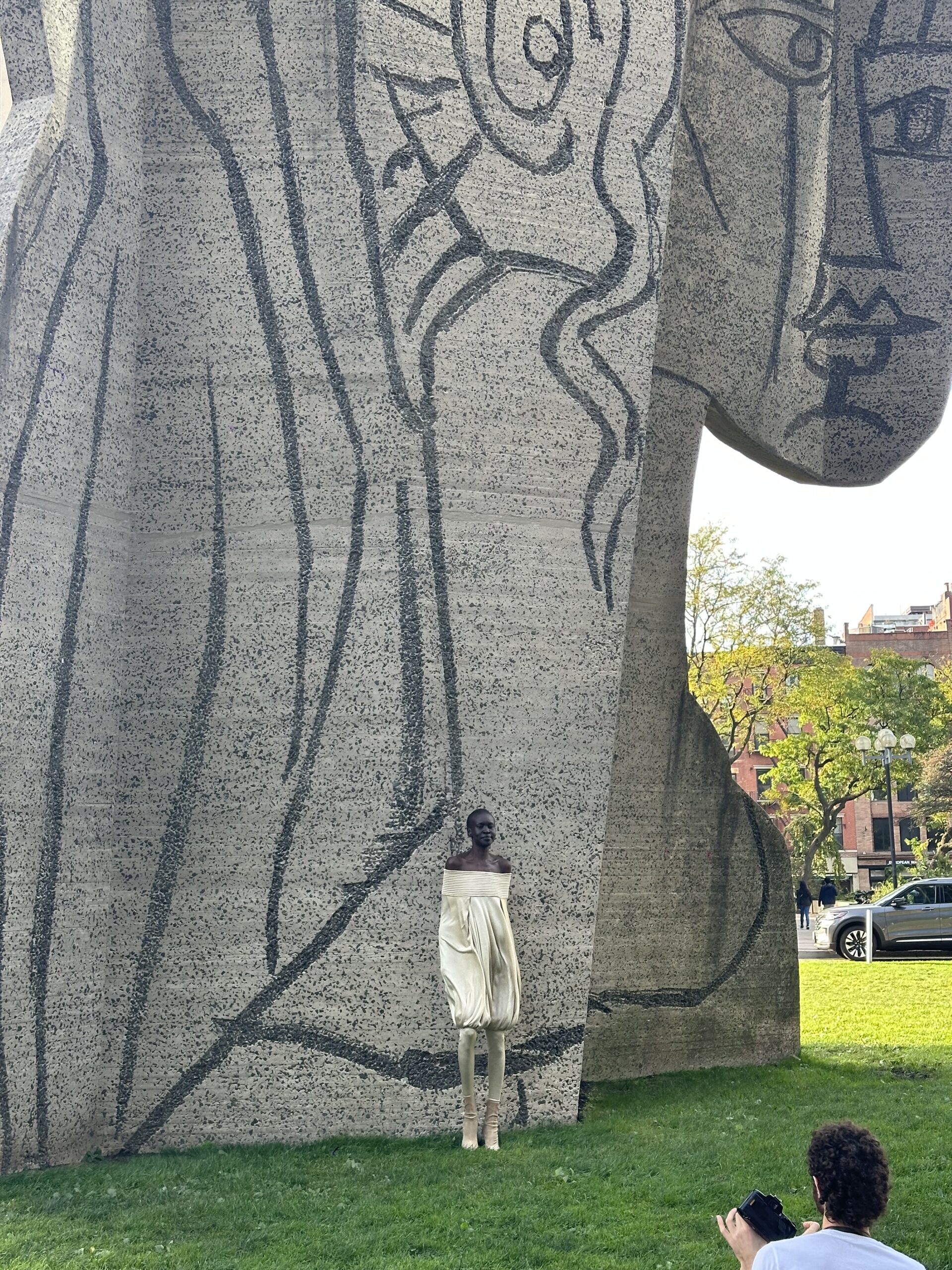
Happy New Year! In October, we got icon, legend, and supermodel Alek Wek to throw on some fresh-off-the-runway Alaïa by Pieter Mulier and pump around downtown New York for our Winter Issue. I was pleasantly surprised that those viral controversial silhouettes looked elegant, chic and honestly comfy walking around NYC streets. Take that, fashion naysayers. Fashion lives! Somehow it’s a whole new year now and I just had to pull Miss Wek for a chat to debrief on our shoot, her favorite spots in the city, and that Betsey Johnson wig moment.
———
ALEK WEK: I love you, Dara. I was looking forward to talking to you because, apart from work, you are such a beautiful human being. You make me laugh every time I see you.
DARA: [Laughs] Likewise. It’s always a good time.
WEK: We were wearing the same dress, the Marc Jacobs! I said, “I like her.” And then when we got to collaborate, I was like, “You never told me you were that talented, darling.” I’m so proud of you.
DARA: Oh, thank you. I feel the same about you. And I’m so happy with how the shoot turned out. It looked so beautiful.
WEK: It was such a beautiful day. Magazines are having a hard time right now, but the art is very important. For lack of better words, we stretch the amount so that we can deliver something with substance. That’s what we did that day.
DARA: Yeah. It was such a beautiful day of being creative. You and Dick [Page] and Joey [George] and Dawn [Sterling] and Davit [Giorgadze].
WEK: I almost didn’t want to do it. And then I kept looking at the names and I was like, “Ooh, okay. We can make it work,” because I come from art. I come from magazines. I come from the avant-garde.
DARA: Yeah.
WEK: I came from South Sudan. It was real, the civil war. I just came of age, 14. I was at secondary school, and I had to learn English within six months and here we are. As a woman, it’s really incredible that I’ve been able to find my community and the people that actually appreciate me and love me.
DARA: I love hearing about your early days. Can you tell me about how you got discovered?
WEK: I graduated secondary school, which you consider high school here, year nine. I went to Church of England school. The best grade I got was in art, because I love art.
DARA: Did you paint or were you—
WEK: I painted and I wrote. I went to South Sudan to do this documentary of my mom going back to meet her sister, which was really cool. I want to get back into my art and writing, and doing projects, because now I can actually collaborate. But yeah, I was discovered in Crystal Palace at 18 with my college friend. She wanted to be a model. Now she’s a mommy. I wish I made better choices in terms of fulfilling being a mother, but I feel like I’ve been a mother. I’ve got nieces that I’ve babysat.
DARA: Butterfly effect.
WEK: But it was beautiful to be able to do all those Polaroids. That first story that came out, everybody wants to claim it once they know something is hot.
DARA: Yeah.
WEK: Now it’s different. We’re talking about ’96, Before that, I got sent back. I had a travel document. I didn’t even have a British passport. They had to change the green card in South Sudan.
DARA: This is the ’90s, when you first started?
WEK: ’96, yeah. Coming to America.
DARA: Did you go to New York first?
WEK: Yeah.
DARA: You and I met when I first moved to New York. It was 2017, maybe. One of my first ever modeling jobs. It was us for Helmut Lang and we had to look each other in the eye for, like, an hour. Full staring contest!
WEK: Yeah. And I was like, “I like these people. They’re so cute. They’re so real.”
DARA: I remember being so starstruck and nervous to be there. And then you were so nice. You told me I needed to eat more yogurt for gut health! I have never forgotten it.
WEK: Are you serious? You were so graceful.
DARA: Well, you have such amazing personal style, and every time I see you you always have a great, amazing outfit on. Do you have favorite places to shop?
WEK: Oh my god. I love vintage.
DARA: Love.
WEK: So when people think like, “Oh my god. That’s why you have that look,” I’m like, “No, darling. That’s called style, okay?” Stop it. If you don’t like it, that’s fine, but don’t just be like, “Yeah. Well, you can wear it. Nobody else can wear it.” And I’m like, “Well, listen here, okay? Maybe you like this skirt, or you like the top, it can work, but you don’t have to wear it like me. Style is what you make of it.” Sometimes you’re very shy, and that’s a good thing with being a model. You can actually wear things. You’re like, “I would never see that in me before.”
DARA: You get to try all the different looks.
WEK: You know when you have designers you’re like, “Wow.” And that’s why that style is so amazing, because you have so much stuff in front of you. It takes one thing to fuck it up, or fuck it up in a good way.
DARA: Yeah. That’s true.
WEK: You know what I’m saying? You could do too much or too little.
DARA: You always have great recommendations of places to go, and good restaurant recommendations—
WEK: I love Roman’s. It’s yummy. You never go wrong.
DARA: Okay. Adding to my list.
WEK: Walter’s has yummy oysters for protein. All that good stuff. Then what else? And then they have Vietnamese. Oh my god. It’s fish, salmon, trout, and then rice. Everything is delivered from upstate. What is it called? Bok choy.
DARA: Yum.
WEK: Coconut curry is what I ordered, and then bok choy. Shrimp, street rice with eggs and all the yummy things. I love that. I’m a foodie. I cook a lot of okra stew, baked lamb. I’m actually cleaning up. I have this big cabinet that I custom-made in here. I don’t know how they’re going to fricking roll it out. But it’s perfect. I can’t wait to start cooking. I’ll invite you. You know when you walk into somebody’s home? You can tell that they cook.
DARA: Yeah. I need to come by.
WEK: And then in Manhattan, I love going to vintage stores. There’s lovely ones in the West Village. Like, those Japanese little stores. I love those little kimonos. It’s so cool, and you can belt it up. All sorts of things. I can actually wear that as I’m putting together my closet. And then where else do I like to go? Oh, in Cobble Hill, they sell these beautiful cotton pajamas.
DARA: Wait. What store?
WEK: 21 Tara on Myrtle Avenue.
DARA: You’ve had such a long career. How has the industry changed over since you’ve started? What have you seen and felt the differences between then and now? And how you’ve progressed in it.
WEK: The business definitely, I don’t have to say it, has changed, because there are a lot of changes in technology. But there’s history. And art prevails. So I always try to put it on a positive side.
DARA: Always looking forward.
WEK: Because we can’t rewind the clock back. We have to go forward. We have to be realistic. So, on that note, at least, people have consequences now. Influence art. So we have to do it in a different way, and it’s so fast. I can answer that personally, but I can say from my experience I’m glad I experienced that time.
DARA: I’m always nostalgic for times I never even got to experience. [Laughs]
WEK: To be honest, I couldn’t do the stuff that these young girls do. They come from South Sudan, they’ve got the criteria. I can’t imagine what they have to do.
DARA: You’ve made history being the first Black model to close Chanel as the bride, and now there’s a new generation and a new era at Chanel, even, and seeing the joy and excitement around Awar closing. What’s your feeling about the new generation of girls?
WEK: I think it’s good. And especially now, too, Chanel is amazing, because there were girls that were coming to me backstage like, “Yo. We can’t come to America without this passport.” I’m like, “Wow. The laws in America just got real.”
DARA: I know.
WEK: So Chanel is like, “Give me them babies. Come here. Come here to model.” And we have to laugh about it, because there’s no money. Some of them are like, “I may have to move to this country and change my passport.” I’m like, “No. No. Don’t do that. Not yet.”
DARA: Yeah.
WEK: “No. No. No. The term is going to be over.”
DARA: I know. It’s a strange time.
WEK: Oh, it’s terrible. That’s why we need the art.
DARA: Speaking of the art! What are your other favorite runway moments?
WEK: Lots. Lots. Lots. Christian Dior, so many with John Galliano. I have a tremendous amount of respect. I really love that they made me look at myself like, “Wow. This is so cool.” And it’s something that, of course, I would never have been able to afford, but even the styling, and that’s why teamwork is very important.
DARA: Do you have a favorite Galliano show or look that you were in? Do you remember?
WEK: That blue dress, that lace. When I walked in it, and I walked out of there, I remember exactly what I had on. And before I got back on the train, my agent called me and said, “You’re confirmed.”
DARA: Oh, wow.
WEK: And it was the same outfit. And what’s his name? The guy that does the hats. He’s so cool.
DARA: Stephen Jones. He’s incredible.
WEK: Oh, and it all came together. And he didn’t even say much. And every time I love the way that he celebrates women. It’s absolutely beautiful. Donna Karan in New York. Oh, Chanel, Karl Lagerfeld.
DARA: Do you have a favorite Karl story?
WEK: Oh my god. I was crying with the seamstresses. I saw her the other day when I was doing a fitting in Paris. I was back after years, and it’s now the new designer. I don’t know him. And he was so sweet. He said, “I met you when I was 16.” He was younger than me.
DARA: Oh, you met Matthieu [Blazy] when he was 16?
WEK: Oh my god. He said, “You were so lovely to me.” And I’m like, “Thank you.”
DARA: Aww.
WEK: And he remembered that, and his family was showing me the pictures the other day.
DARA: Wow.
WEK: And he had to go and do all the go-arounds. But I think the word went out, and he has a twin sister. I’m a very family person. I’m very shy as a person, but I take intimacy in my chosen family. That’s how I see it. He had a brother, and he had a sister, and his mother. They start showing me the pictures. And I’m like, “Oh my god. He was telling the truth.”
DARA: That’s so cute.
WEK: It was so cute. It was full circle. And I’m like, “Thank you so much. I’m honored.”
DARA: Wow.
WEK: Things work out in a way.
DARA: Yeah. What about that Betsy Johnson show? Do you remember—
WEK: Betsy Johnson was wicked. I don’t know where that wig is. I think Lenny Kravitz has it. [Laughs]
DARA: Was that your idea or did they tell you to do it?
WEK: No. I didn’t want it because it was very Abracadabra.
DARA: Yeah. Abracadabra in New York, the Halloween shop.
WEK: So I’m looking at the wig, looking at myself, because there is a mirror.
DARA: So, you just saw it and you said, “I don’t want to wear that.”
WEK: I’m like, “Hell no.”
DARA: You know what? Sometimes you see the wig and the wig doesn’t work and you have to move on. Many such cases.
WEK: And then I’m looking around and people do look like a hot mess too. I was like, “It’s not just me looking all random.”
DARA: Wait. So then afterward, when you went backstage, did anyone say anything? What happened?
WEK: They were like, “Wow. You did that?” They thought I was just going to play with it. I said, “No. I’m not.” How you come is how you are, right?

DARA: That’s genius.
WEK: You can do what you want. Right? You can do cartwheels. Right? And it was so lovely. Oh, I didn’t know it would be so iconic.
DARA: I know. I see that clip every day.
WEK: Even the little girls. I’m like, “Hold up. You could be my granddaughter. How do you know about that?” It’s amazing.
DARA: Yeah.
WEK: But it tells you about art.
DARA: Yeah. Art is the most important thing, that creative instinct.
WEK: And I can go down memory lane with Alexander McQueen.
DARA: Oh, wow.

WEK: Starting off, and then he took me when I was 19 years old to do Givenchy, and it was so sad losing him. Things like that, people you never expect that are so talented—when they go, it’s so painful.
DARA: Yeah.
WEK: So, Peter Lindbergh, working with him. I could go down memory lane. Herb Ritts, love him.
DARA: I love your pictures with Herb Ritts.
WEK: Yeah. And those are the pictures Matthew from Chanel was showing me. It was so beautiful. I got emotional.
DARA: I had one more question for you before we wrap up. I saw that the “Goldeneye” Tina Turner video was one of your first modeling jobs.
WEK: Yes. First booking.
DARA: What was your memory of Tina and that day?
WEK: Amazing. Such a class act. She came out at 4:30, 5. We had to wake up in the wee morning. And I was still going to school. Before I was contemplating whether I should model full-time or not. That’s when Eileen Ford came and they did this casting, and they saw what girls from this agency in London they can represent in New York. And I saw her and she said, “Yeah. People saw the Polaroid. They would like for you to come try that in the summer. Okay?” And then I came that one summer and did all that stuff, shot with Steven Meisel for Italian Vogue, and Versace, and then he died. That was so tragic. Thank god I didn’t know him very well. It’s so painful.
DARA: It’s a lot of sensitive souls, and creativity is so sensitive, and it’s important to make sure that it’s safe and sometimes people get taken advantage of, and it’s not easy.
WEK: It was magical. It’s not the same, no.
DARA: But I’m glad that we’re still finding those moments to make creativity happen. So, I’m so happy that we were able to do this.
WEK: We have to really cherish that, and we have to embrace each other.

DARA: What else are you excited about? Do you have any projects or any passions that you’re focusing on?
WEK: I want to definitely collaborate more. I love the flow. I don’t have to do quantity, but do quality. I like collaboration because it really gave me freedom and also, I was always running. Finally, I don’t have to run anymore. And that’s the beauty of art. When you start to nurture that, you don’t have to struggle so much, like, you’re not being heard or seen. A lot of the young girls now, that’s why I try and reassure them: “It’s okay if you don’t feel comfortable, or you aren’t ready to behave a certain way because of where you are, because, trust me, I’ve been in a place where I’m doing incredible things, and there’s times where it’s slow.” But it’s okay for me, because I like that when it’s slow too, because then I can do my art. And you can find yourself.
DARA: You have such amazing, beautiful work. It’s part of the history of fashion, all the images you’ve created.
WEK: And good people. I feel the best of me. I’m glad to be able to still continue that. I’m very humbled. That’s why I enjoy doing shoots like we did out in New York. You couldn’t have scripted that, like, when the sun was setting.
DARA: I’m so glad we got to chat.
WEK: More to come. And we have to have supper.
DARA: I’m coming over for dinner.