


SHOOTER
Roe Ethridge’s Wholesome Pornography


On the occasion of his new solo show at Gagosian Athens, photographer and Interview contributor Roe Ethridge got on a Zoom call with our senior editor to discuss handcuffs, corporate jobs, and his latest book, Rude in the Good Way, published this week by Loose Joints.
———
ROE ETHRIDGE: Hello. How are you?
TAYLORE SCARABELLI: I’m good. We’re closing an issue of Interview, so it’s a working weekend.
ETHRIDGE: I hear you, man. I’m happy to have stuff to do, but is there a job I can get that can just be consistent? [Laughs]
SCARABELLI: Are you in Paris for work?
ETHRIDGE: Yeah, I’m shooting tomorrow and then the next day I’m going to L.A. Then my girlfriend’s 50th birthday celebration is on Thursday in New York. And then a couple days later, we’re going to Athens for this book launch.
SCARABELLI: Wow. That’s a serious tour. How are you feeling about the show in Athens?
ETHRIDGE: Really good. I love the space. The Gagosian in Athens has three floors with some smaller rooms, so it’s very quiet and intimate.
SCARABELLI: What are you showing? Is it similar to what’s in this new book?
ETHRIDGE: Yeah, there’s 14 images in the show and I think only one of them is not in the book.
SCARABELLI: Is the show also called Rude in the Good Way?
ETHRIDGE: Mm-hmm.
SCARABELLI: What does that mean to you?
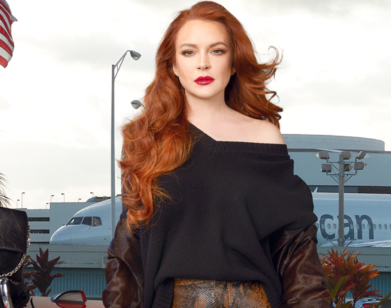
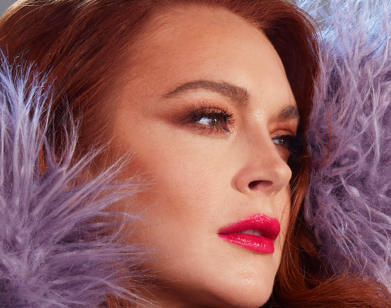
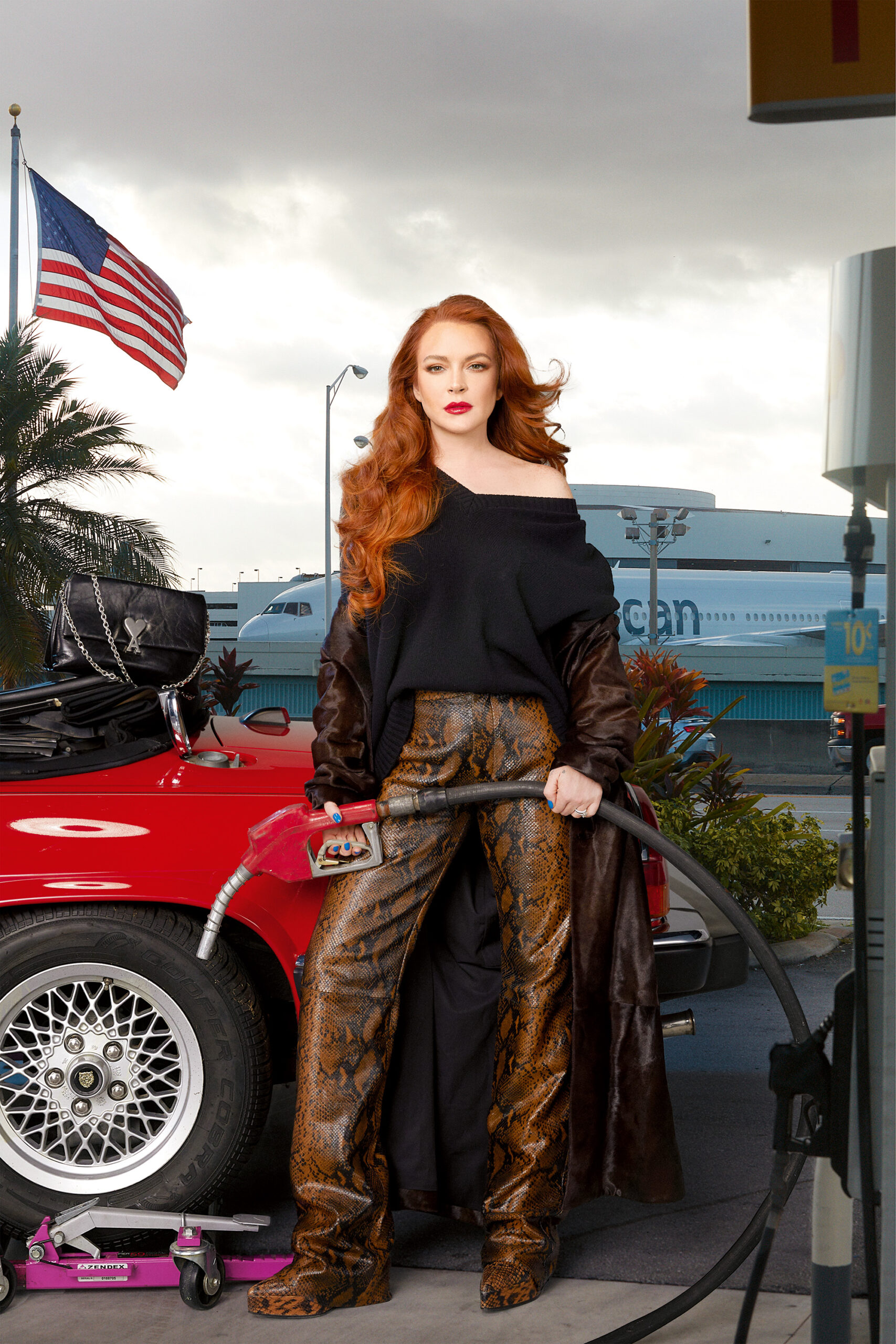
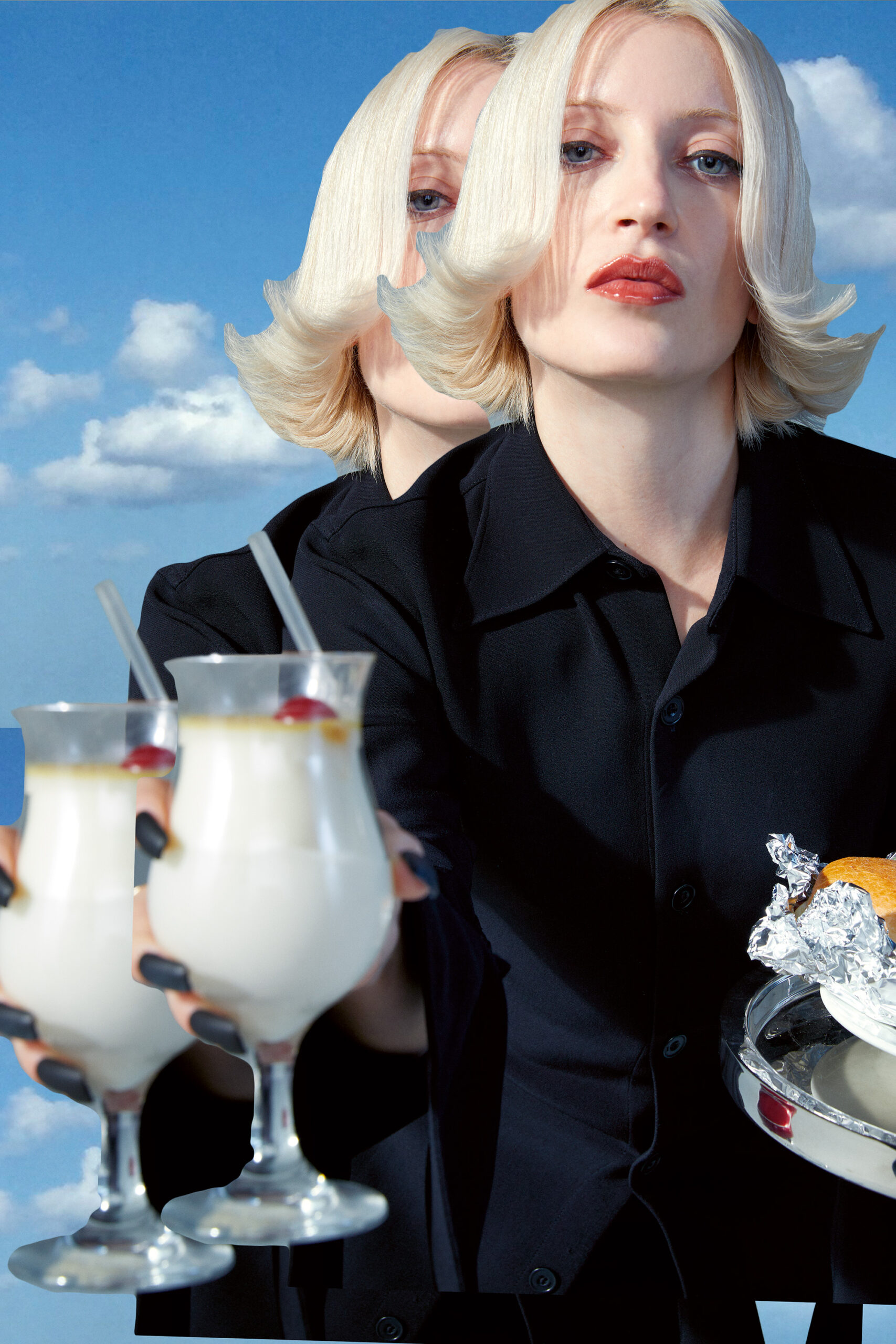
ETHRIDGE: It’s one of those things that I wrote down as I was putting the show together. I was thinking of some of the pictures, like the ones of Lindsay [Lohan], the way they’re assembled. It’s rude in a good way.
SCARABELLI: The interventions?
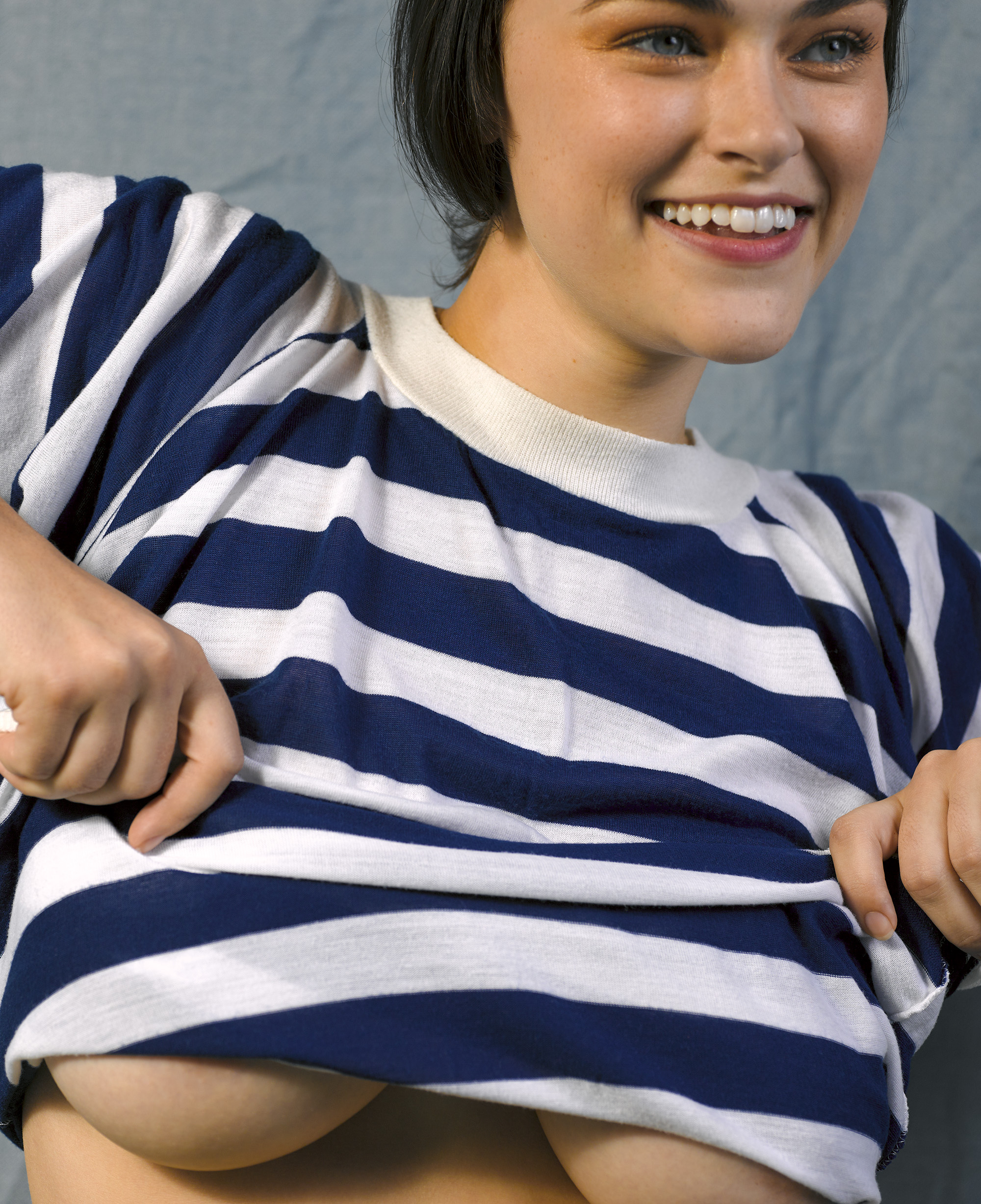
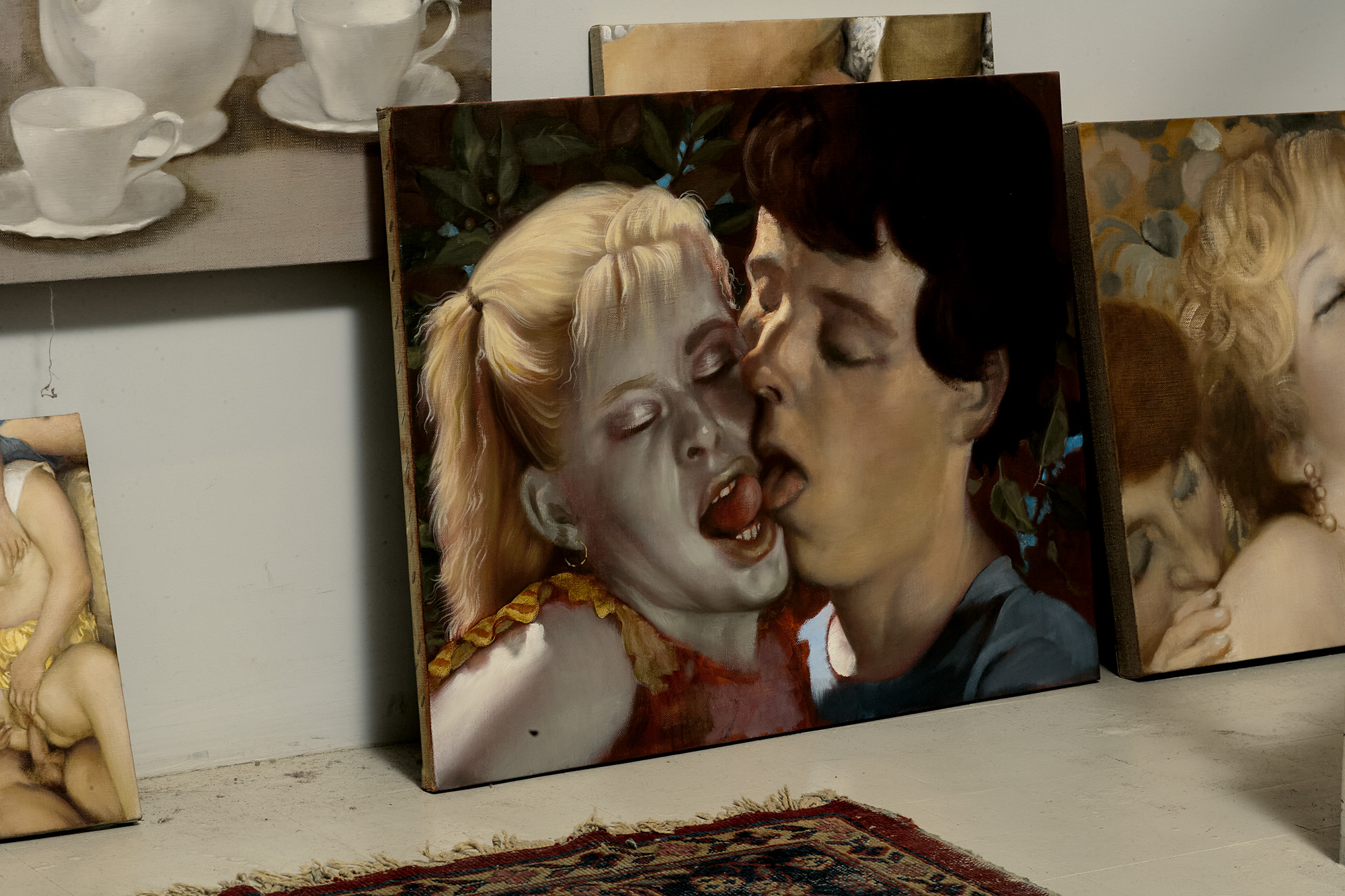
ETHRIDGE: Yeah. Some of the collaging is rough and fast, like the picture of you. It’s clearly a double. It’s really showing its cards in a way, how it’s made. I think that’s impolite in photography. But the book also has a confrontational aspect. There’s the pictures both from 2008 in John Currin’s studio and the new pictures I’ve been shooting with Lulu. She describes them as wholesome pornography.
SCARABELLI: I’ve never heard those words used together. [Laughs]
ETHRIDGE: Does that make sense?
SCARABELLI: It does.
ETHRIDGE: I wouldn’t say it’s soft core. The John Currin things show the act of penetration, but they’re mediated through his expertise as a painter. It’s like, “Is this from the Renaissance or from some cartoon in a men’s magazine?”
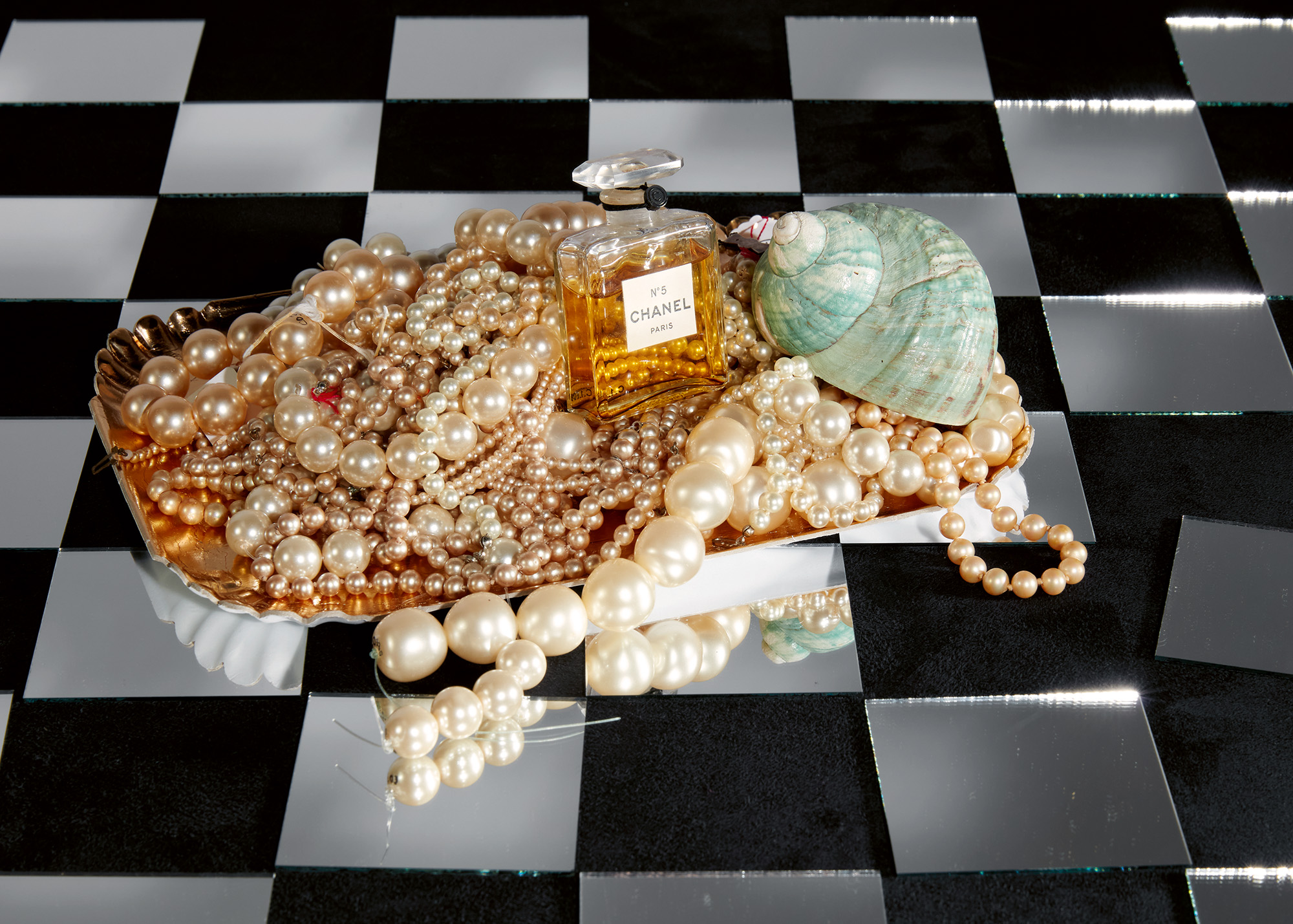
SCARABELLI: The images are definitely optimistic, so see what you mean by wholesome. What was really striking to me was that all of these images feel very intimate, even though some of them are still lifes for a Chanel Beauty campaign, for example. That’s an impressive feat to accomplish.
ETHRIDGE: That’s the best compliment you could give me. I’m often almost inappropriately emotional in the way I put myself into commercial projects. I get so invested in them because I feel like it’s an opportunity or a duty. So many more people will see your commercial stuff than your gallery shows.
SCARABELLI: That’s true. Also the mix between celebrity shoots and portraiture, like the collaboration with Lulu—I would imagine that your approach with her might feel a lot different from shooting, say, Lindsay Lohan on a seamless at Pier59 Studios.
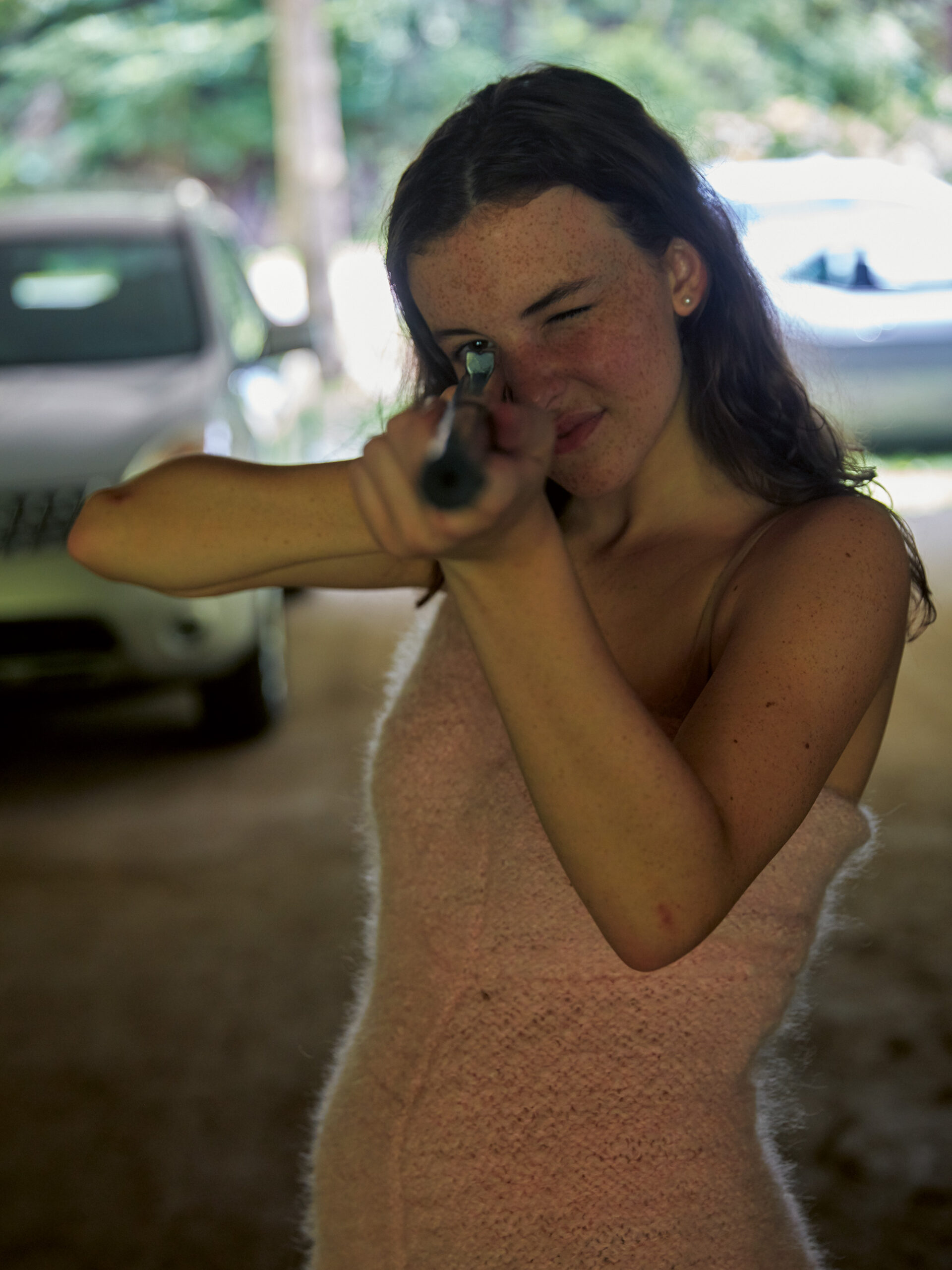
ETHRIDGE: 100%. I mean, I think that’s another one of the things that I’m so grateful for is just the absolute wild variation of things that I get to participate in. I’m like a director, but I would never pretend that I was directing Lindsay Lohan, she’s directing herself. I’m diplomatic, but I’m also trying to get something interesting out of her.
SCARABELLI: Right.
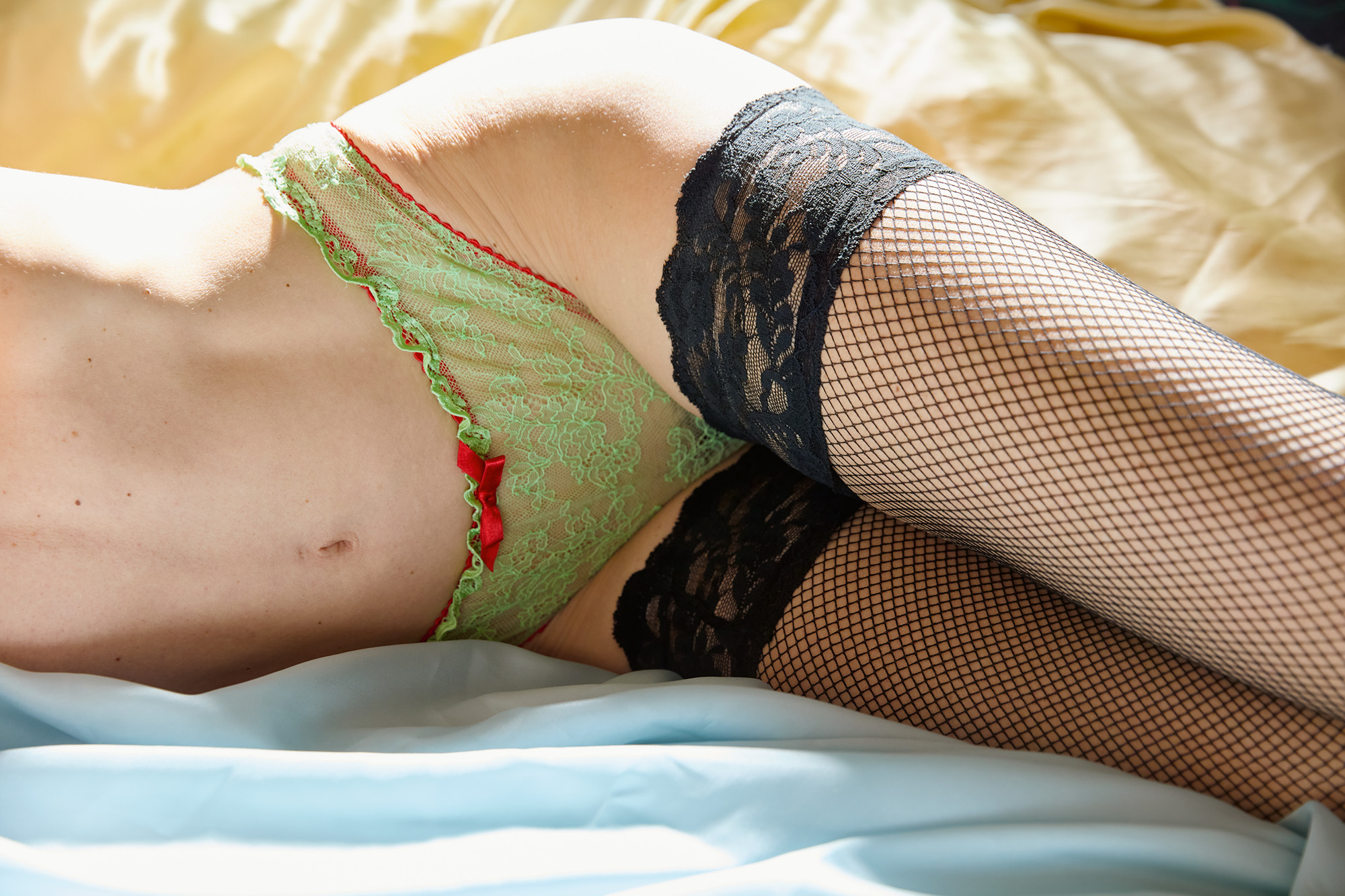
ETHRIDGE: Then with Lulu—I’ve done a couple of nudes in my career, but it’s not the kind of thing that I’m comfortable doing. I never wanted to do it to just do it. We’d met 25 years ago, and reconnected, and had this kind of spark. It’s almost like we’re acting out our younger selves in midlife. But she’s so foxy and it’s like we have this window to do this thing. It’s much more conventionally collaborative.
SCARABELLI: Yeah.
ETHRIDGE: Like that picture with the net, would never ask any woman to push their boobs into a net. Somehow that’s rude in a bad way. So that was her making that decision, which was totally inspiring for me. It’s in conversation with the ’70s photo magazines that my dad had next to the BarcaLounger. Almost every single issue had some shadow of a net, or woman in a net, or boobs with a net on it. Those are the kind of things that happened with Lulu that couldn’t happen with anyone else.
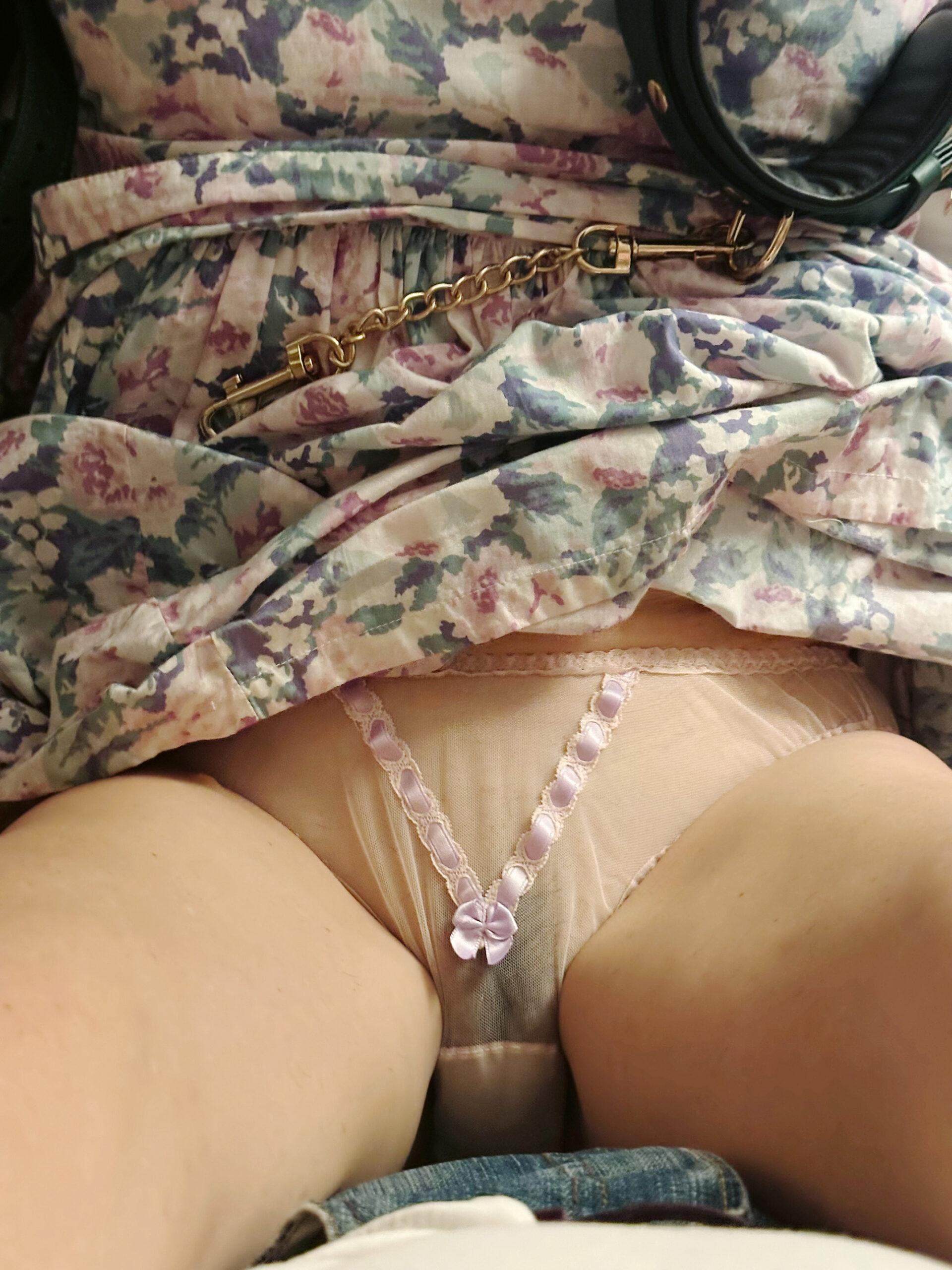
SCARABELLI: Then you have this BDSM scene happening with the handcuffs, but it’s a photo of the viewfinder. It’s obfuscated. Can you tell me a little about that decision?
ETHRIDGE: It’s a preview of a forthcoming book, the working title is Hotel Lulu. That shoot, I’d taken some pictures of the back of the camera to send to Lulu, then I was here in Paris and got sick and confused, and I’m afraid that I fucking erased it.
SCARABELLI: Oh, no!
ETHRIDGE: But sometimes if I’m on set with somebody, I’ll take a picture of the back of the screen and show it to them, like, “Here’s what it looks like. Can you do it like this but with a smile?” It’s a pragmatic way to show someone what the image looks like without taking the camera off the tripod or driving somebody nuts.
SCARABELLI: You’re not letting them nitpick the little things.
ETHRIDGE: Right. It’s just an impression. There is something about that particular setup which is a bit scary because of the black glove thing. It sort of magnifies it and softens it at the same time. In this upcoming Chanel commission, there’s several images that feature the archivist with black gloves on. So it’s this ubiquitous thing that’s entered my pictures before, but in this case, it seems very pervy.
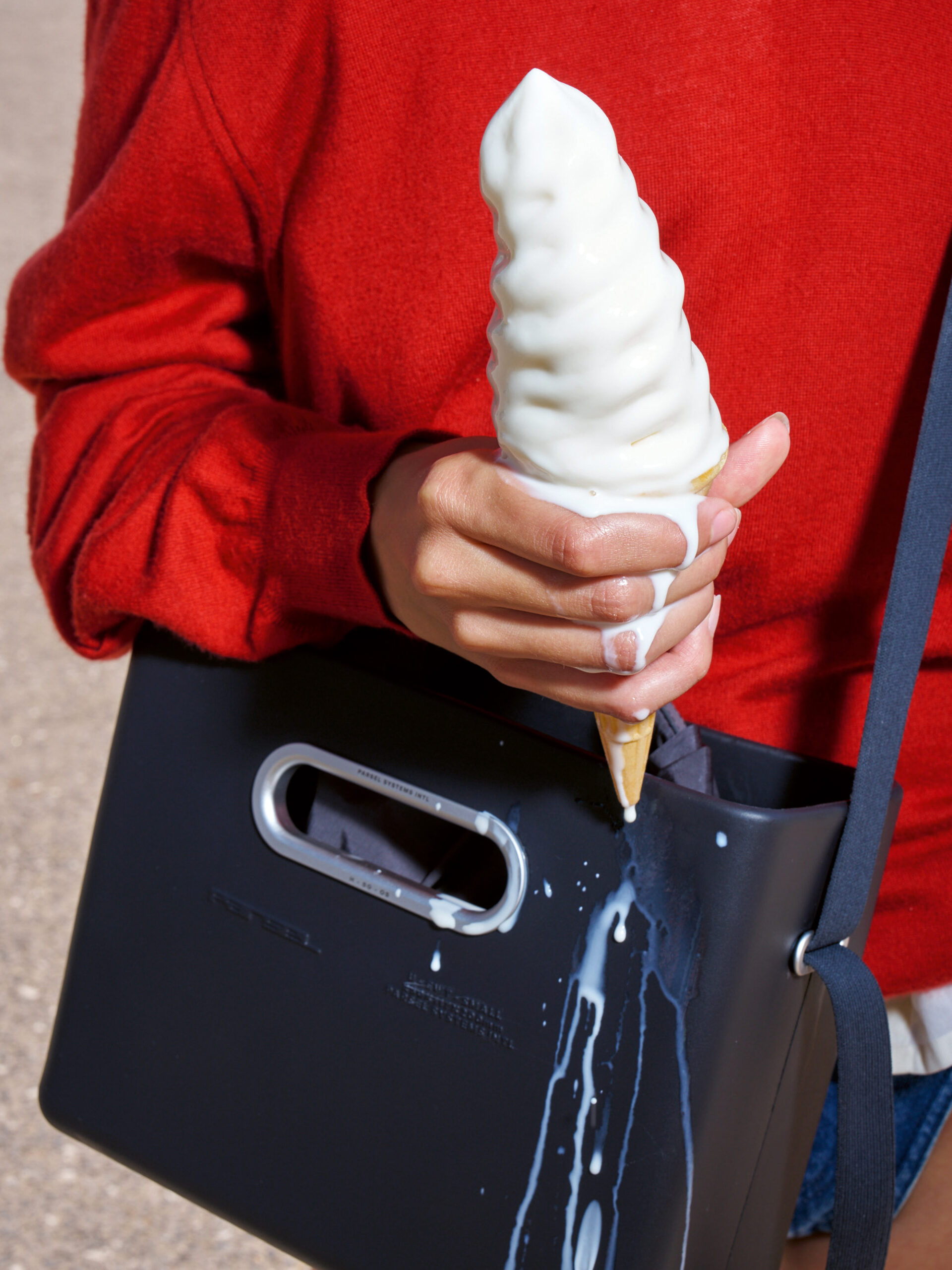
SCARABELLI: It’s interesting because in one of the images, it’s a way of being delicate, and in another it’s kind of the opposite. There’s also a lot of food in the book, a lot of consumption happening.
ETHRIDGE: That’s so interesting. I didn’t even think about that.
SCARABELLI: When I first looked through the book, I wrote down femininity, consumption, and sex. Then I read the press release and it said something about it being an exploration of masculinity and I was like, “Interesting.”
ETHRIDGE: It’s contending with male desire or projection. There’s a sort of acknowledgment of my repression to myself, but not to the viewer necessarily. I’m letting that be an element of pressure on the image. There’s more explicit stuff that we might put in the Hotel Lulu book, which would be considered extremely courageous because it shows everything, pictures of me too. I’m not such a good boy all of a sudden, in an intentional way. It’s something that I haven’t really allowed myself to do.
SCARABELLI: I think it’s interesting because there’s so much of you in this book. Of course, it’s all your point of view, but I’m thinking specifically about the images including your hands, the still life that features your glasses on the table. But then there’s also that one really fun goofy self-portrait where you have a tie around your head.
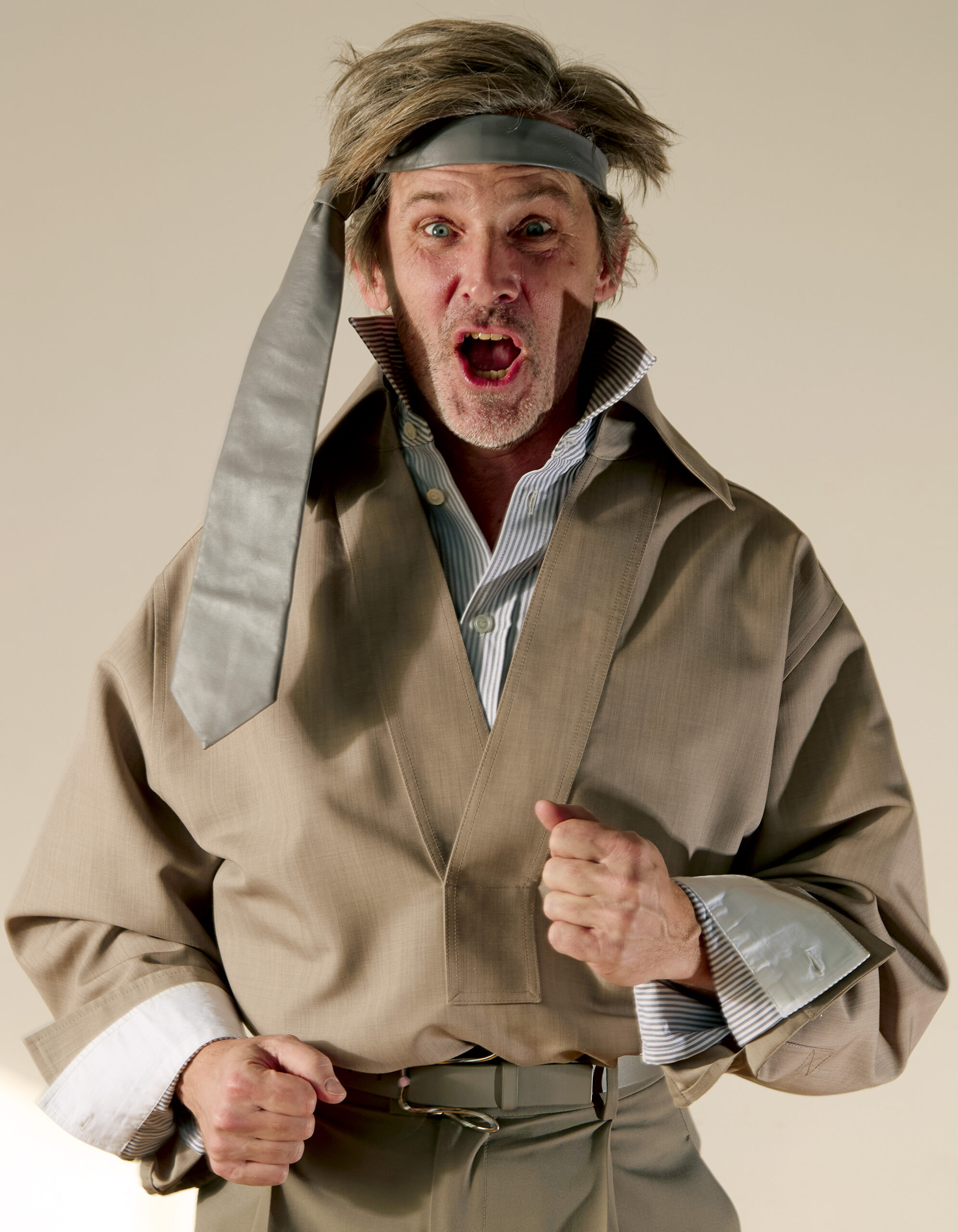
ETHRIDGE: Yeah. So we call that the Hot Dog self-portrait, it was based on this teen exploitation movie called Hot Dog. It’s just a B movie, but it’s that idea of the wild and crazy guy that defines some sort of ’80s straight guy thing. He loves a good time. He’s super intense, high energy, and an athlete, but he also reads books. It’s my fantasy of who I thought I was going to be at 17, or 16.
SCARABELLI: Okay.
ETHRIDGE: There’s a thing I’ve noticed in my relationship with Lulu, which is that we’re inhabiting these different points in our emotional maturity. The beginning of this romance, which was so profound, felt like the 11th grade. It’s that chemical, oily, intense feeling. Countless paintings and books have been made about that time period in life, but to be re-experiencing that in my mid-50s is kind of amazing. When we first met we had an instant connection, but we didn’t pursue it until much later, so there’s a regret to it. But it’s also a little bit like, “Maybe it was for the best.” Anyway—why am I getting off on this? Oh, because of the question around masculinity and who am—
SCARABELLI: Well, it sounds like this relationship is impacting the way you think about your work, and it will be interesting to see it evolve in a more explicit or even emotionally-exposing way. In this book, Rude in the Good Way, there’s a lot of desire throughout, but you’re still the guy with the big, cheesy grin or whatever.
ETHRIDGE: Right.
SCARABELLI: God, the collage of the car and the swamp at the very end—it was so fun to work on that Miami zine with you.
ETHRIDGE: It really was. I’m so glad you’re in there. I love that little sequence. I’m very interested in sequence as a musical thing, and I think the way you perceive photographs can be sort of musical, almost like synesthesia. The vibration hits you like music. There is something about the color ways of that part of the book—
SCARABELLI: It’s super cinematic and very pop Americana.
ETHRIDGE: Nice.
SCARABELLI: Maybe it’s the guns and the Lindsay Lohan of it all.
ETHRIDGE: Yeah, regarding the Lindsay stuff, I was showing my daughter, Lee, the book and we got to the Mac’s Club Deuce Pool table shot and she’s like, “That’s a new sense of humor or something,” which I thought was another incredible compliment.
SCARABELLI: Totally. How did you go about selecting the images?
ETHRIDGE: This was initially going to be a fourth book that went with my first three self-published books, which is being bundled and called In the Beginning. In the summer I did a 16-page book from Martha’s Vineyard and I loved it but it felt a little quiet. I met with Louis and Sarah from Loose Joints after the New York book fair and I started showing them some images—all these pictures that Lulu and I had been working on and pictures I loved from John Currin’s studio in 2008. We were layering in these larger groups of images as if they were typological sets as a way to refer back to the first three books. It’s still part of the bundled release, but as things started moving, it became its own thing. Hold on. I’m just getting my room service. Okay?
SCARABELLI: Okay.
ETHRIDGE: Oh, that looks so good—I’m staying at this place in Paris—do you know the Grand Amour?
SCARABELLI: Oh, yeah. I’ve only stayed at the OG one, where there’s only a bath, no shower, so you have to hose yourself off.
ETHRIDGE: Yeah, yeah, yeah. I want to show you one thing. This is kind of crazy.
SCARABELLI: Okay.
ETHRIDGE: So in this place, it’s like Olivier Zahm and all these people on the walls, but here’s Jade [Berreau] and Dash [Snow].
SCARABELLI: Oh, wow. Incredible.
ETHRIDGE: Isn’t that crazy? Jade is still a friend, and Dash and Jade’s daughter, Secret, is my daughter’s best friend.
SCARABELLI: Oh, wow.
ETHRIDGE: So it’s like, what the fuck? There’s a picture of Nate Lowman over here—you’re much younger, so you may not know these people, but it’s funny for me because I know these old fuddy duddies.
SCARABELLI: You should leave a copy of your new book there. I’m sure they would like that.
ETHRIDGE: I should.
SCARABELLI: Okay, well I’ll let you get to your dinner. Good luck on all of your travels.
ETHRIDGE: Thank you.