


MUSIC
Who Is Gooskii?


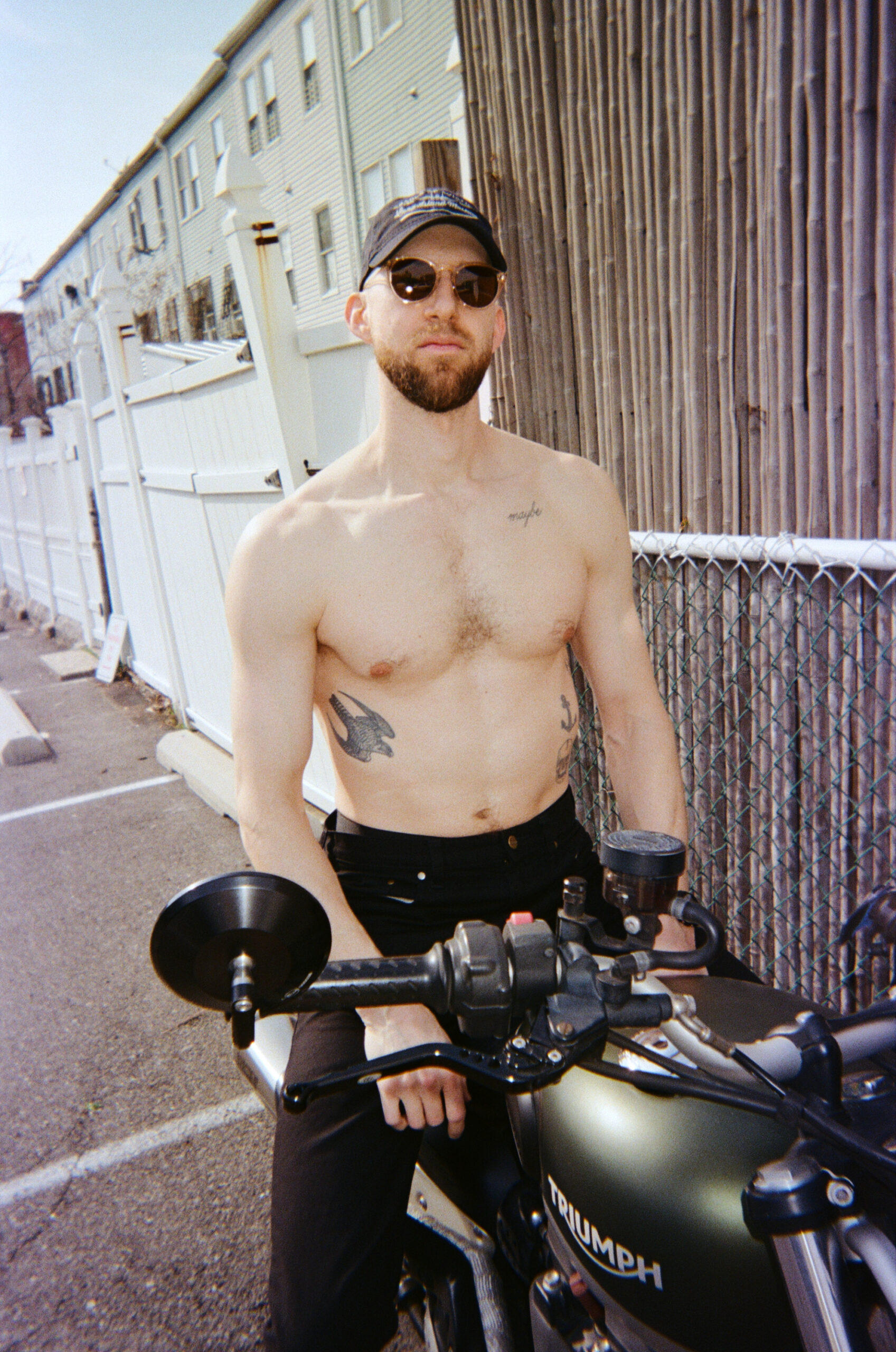
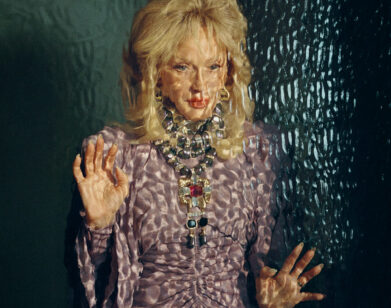
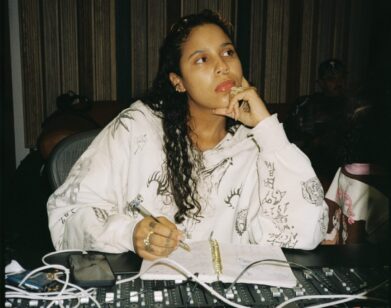
photography shot by Kate Owen @thekateowen
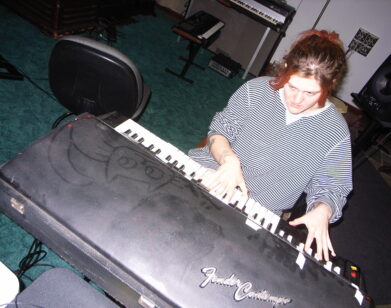
It’s difficult to catch Yosef Munro. The Nines, NoHo’s red-hued, maximally plush, celeb-packed lounge and piano bar, where Munro, 41, has been a piano man since its opening in 2022, is “selective,” if we’re being polite about it. Should one make it through the thick velvet curtains, they’ll encounter Munro’s nimble, nuanced takes on Chaka Khan, or Luther Vandross, making the place come alive. It’s less tricky, and far more likely, to hear recorded expressions of the classically trained jazz pianist and composer: he’s written jingles for Shake Shack and scored ads for Adidas; brands like Cartier hire him to play their parties; he designs sound for apps like Chess.com. The man is a sonic Willy Wonka, with beats, effects, and chord progressions as his sugars. This month, Munro added another confection, releasing an album, Just Trust, as Gooskii (he’s made several piano records under his own name). It’s a fervent, thoughtful octet of tracks, wherein simple drum loops ascend to formidable, crescending dance beats that touch on electro, industrial, and noise as they make a poppy landing in Munro’s commanding vocals. It’s electro pop, but not; jazzy house that would find a happy home on a road trip, or in a crowded club. It’s a chance to catch Yosef Munro, even if it’s not in a chic Manhattan nightspot, and even if it’s not quite Yosef Munro. It’s Gooskii.
———
JOHN ORTVED: What’s a Gooskii?
YOSEF MUNRO: Names, they’re always a struggle. It’s hard to come up with something that feels cool, that other people like, that hasn’t been done, that’s not on the nose, that’s not stupid, that’s not too weird. There’s a bar in Pittsburgh called Gooski that I used to go to when I was “21.” I added an “i,” which I think is cheeky, makes it my own, and codes it as an electronic artist. And it sounds like the name I was called growing up, “Yossi.” It feels funny and insane, because I love this work, but I’m trying not to take it too seriously.
ORTVED: Why not?
MUNRO: If I spend too much time on it, then I never put it out; I put it aside, and it dies on an old hard drive. I’m great at starting projects. I’m terrible at finishing them.
ORTVED: You wouldn’t be the first artist to experience that. Except Taylor Swift. She’s perfect.
MUNRO: She’s definitely prolific.
ORTVED: Is there any Pittsburgh sound in this record?
MUNRO: There’s some of the Rust Belt in the whole tapestry of esthetics that I come out of as a person and an artist.
ORTVED: I can’t tell if you’re more like Art Blakey or Trent Reznor, part two, the Oscar-winning composer.
MUNRO: I would never compare myself to either one, because those are two greats. My background is jazz. Coming to New York in 2008, I started to leave the jazz world, and slowly get more of a foot into noise, metal, rock, dance music, electronic, underground stuff.
ORTVED: You say this is “Death Jazz.”
MUNRO: On Spotify, that’s Gooskii’s bio. I like the contradiction of those two phrases, but I really am a big fan of death metal. And my background is jazz. Death Jazz was not totally inappropriate, at least in the persona of Gooskii.
ORTVED: Persona?
MUNRO: This is the first time I’m doing anything that’s not under my name, and it feels like a different person. I’m running this stuff in my home studio, but I can definitely imagine singing this on stage.
ORTVED: Why now for an album?
MUNRO: It’s a combination of AI generated stuff saturating things, and feeling sad about that, and feeling like I have to make up for lost time. I think there will always be a market for music that’s made by people.
ORTVED: There’s a tension there, because you’re anticipating a need for man-made music. Yet, in every Gooskii track, every beat, there’s machines.
MUNRO: Back in the ‘60s and ‘70s, when synthesizers started to be used heavily in popular music, critics said “This is not man-made.” The difference, versus AI generative stuff, is that I had to learn what a signature is, what chords work well. There’s a combination of education and taste. The impetus, the soul of it, is coming from my brain. I also execute.
ORTVED: I hear some classic electronic references here, going back to Kraftwerk and Wendy Carlos.
MUNRO: That’s intentional. There are classic drum machine sounds: Linn drum, 606s, 707s.
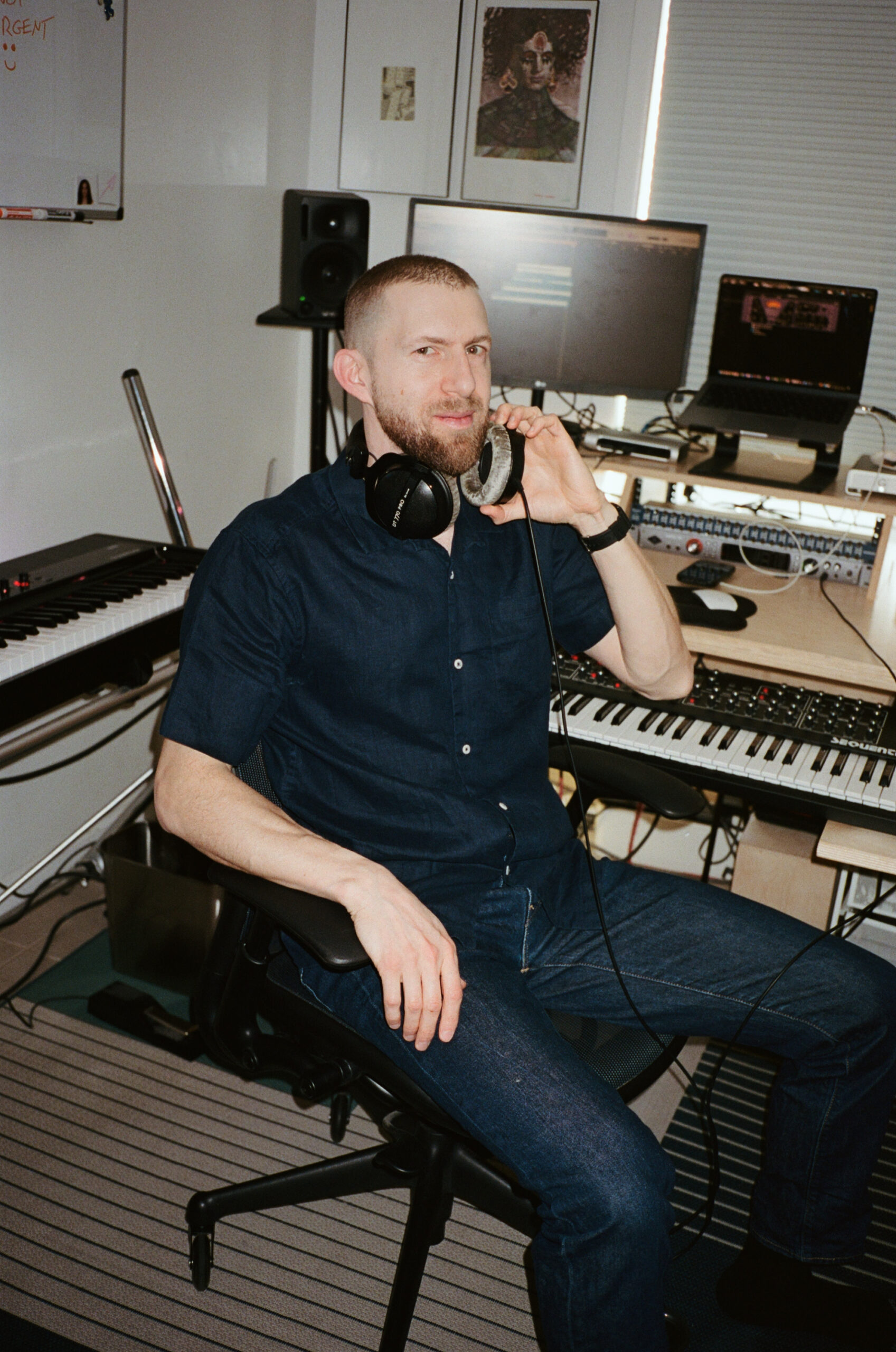
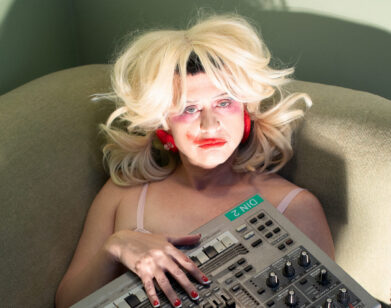
photography shot by Kate Owen @thekateowen
ORTVED: Where did the album’s name Just Trust come from?
MUNRO: That’s something that’s come into my personal and spiritual lexicon over the past few years as I’ve dealt with things that scare me, like scuba diving, martial arts, taking my motorcycle out on to the highway. “Just trust” became a bit of a mantra. It sounds simpler than it is; it took practice.
ORTVED: Scuba diving?
MUNRO: In 2021 my wife, Hannah, and I were in Tobago for the holidays. Everything was closed due to COVID, including the beaches, so there was nothing to do besides walk around the jungle or dive with the local shop. I’d spent my whole life convinced I had a phobia of deep water. After that trip, I was like, “Wait, I fucking love diving.” I got an advanced certification in 2023.
ORTVED: Do you see yourself performing this album?
MUNRO: If it happens, it will be behind two decks at a smaller venue: Maybe with a drummer, and I’d have a keyboard. My aim for this project is to kind of put out music, not necessarily perform it. Someone would have to ask me to do it, and then I’d figure it out.
ORTVED: I’d like to hear it at The Nines, where you’ve played for some very discerning ears.
MUNRO: I love that piano, I love that room, I love the other piano players, and I really love the team there.
ORTVED: Does your work at the Nines translate into making this album, or are they worlds apart?
MUNRO: A lot of times when I finish a song, I linger on the last note, but don’t cut the pedal. I’ll improvise something. I’ll land on a jazz standard, or Dolly Parton, but in those improvisational moments, it’s very stream of consciousness. That process is similar to when I sit at home and I’m starting a new Gooskii track. I’ll turn on my Prophet, which is a synthesizer, and I’ll just kind of play around: vibe on a chord progression, or play with a rhythm as a baseline and see if it works.
ORTVED: There’s that same risk in improvisation–you just have to just trust and then let it go.
MUNRO: Yes. And honestly, I feel really great about what came out. And that’s not because I think it’s perfect. It’s because I think it’s not.