


SMOKE BREAK
Photographer Miranda Barnes Explains What It Takes to Be a Detroit Debutante


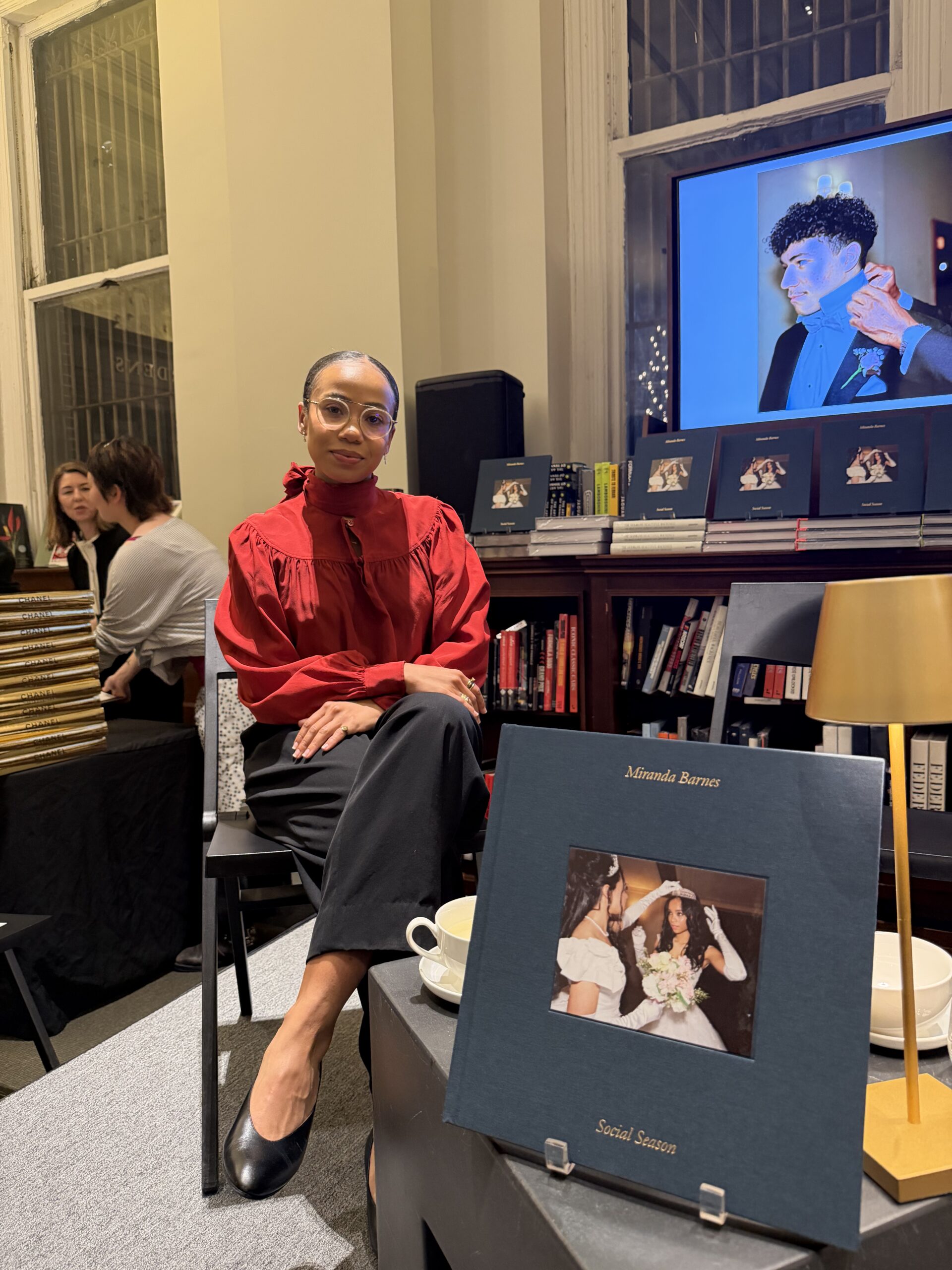
For her debut monograph, Social Season, Brooklyn-based photographer Miranda Barnes visited Detroit from 2022 to 2025 to document the hidden world of Black cotillions. From lensing the birthplace of the Mississippi blues to photographing newly constructed Freedmen’s Colonies founded by Black women, Barnes has long had an affinity for highlighting the innovation of the Black community. Now, she’s turning her eye on Detroit debutants, an intergenerational coterie awash with beauty, glamour, and hope. As an outsider, Barnes was able to document just how exclusive and labor-intensive these balls can be, creating a series of evocative images that celebrate sisterhood and upward mobility. To learn more, I caught up with Barnes before her Rizzoli Bookstore launch to discuss Eve Arnold, etiquette classes, and what it means to be a young Black woman today.
———
ARY RUSSELL: Where are we right now?
MIRANDA BARNES: The Rizzoli Bookstore for the talk with Sofia Coppola and Nicole Fleetwood for my first book, Social Season.
RUSSELL: When we walked in, your friend was like, “I’ve never seen a line like this for a book event.”
BARNES: Yeah.
RUSSELL: So how does it feel to have such a wide audience wanting to talk about your book?
BARNES: It’s, of course, overwhelming, but it’s a long time coming. I’m very excited to see this turnout and hopefully everyone is excited to hear us discuss the book and dive deeper into it.
RUSSELL: This is being published by Important Flowers, which Sofia Coppola created. How did that relationship come about?
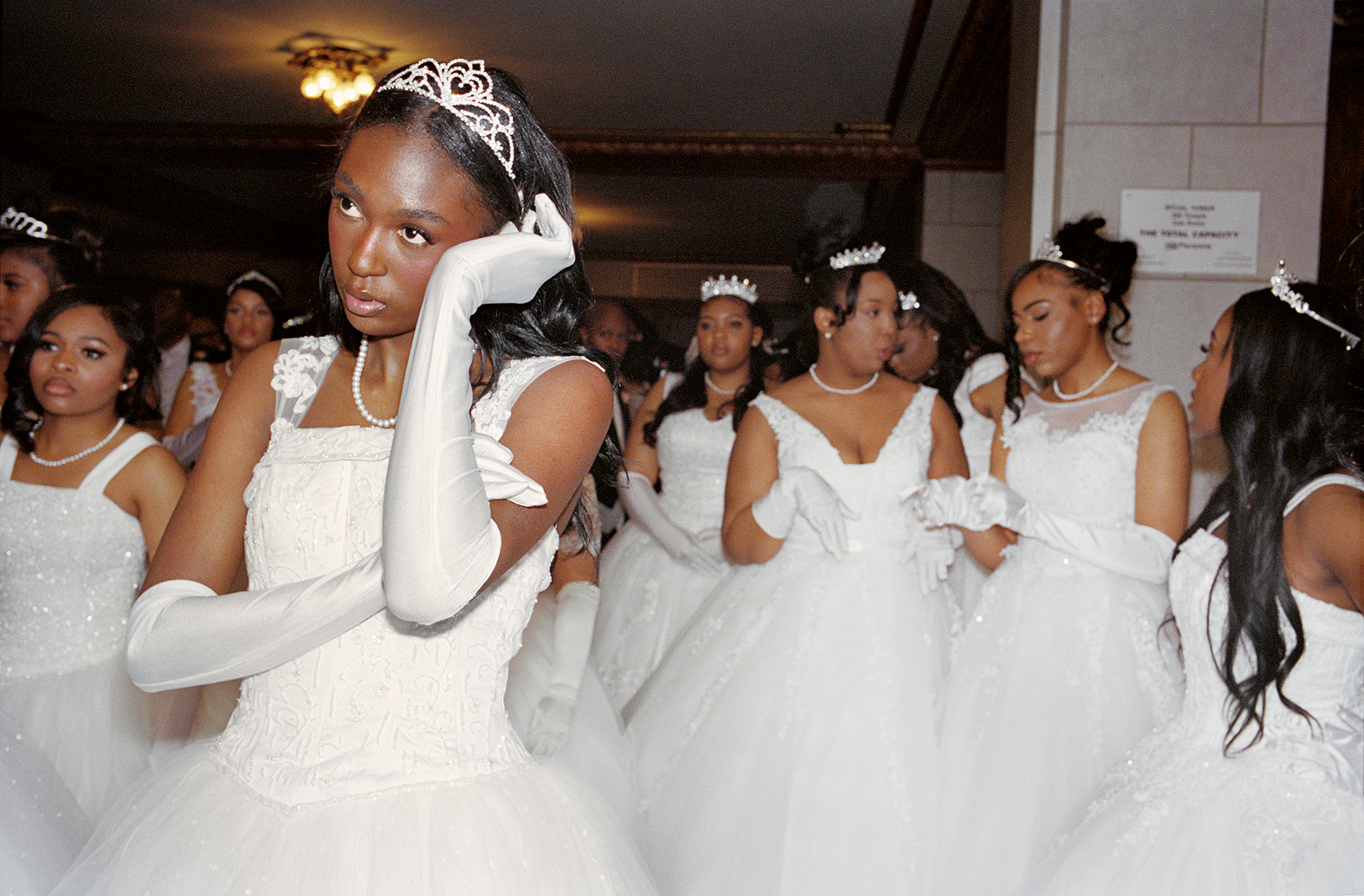
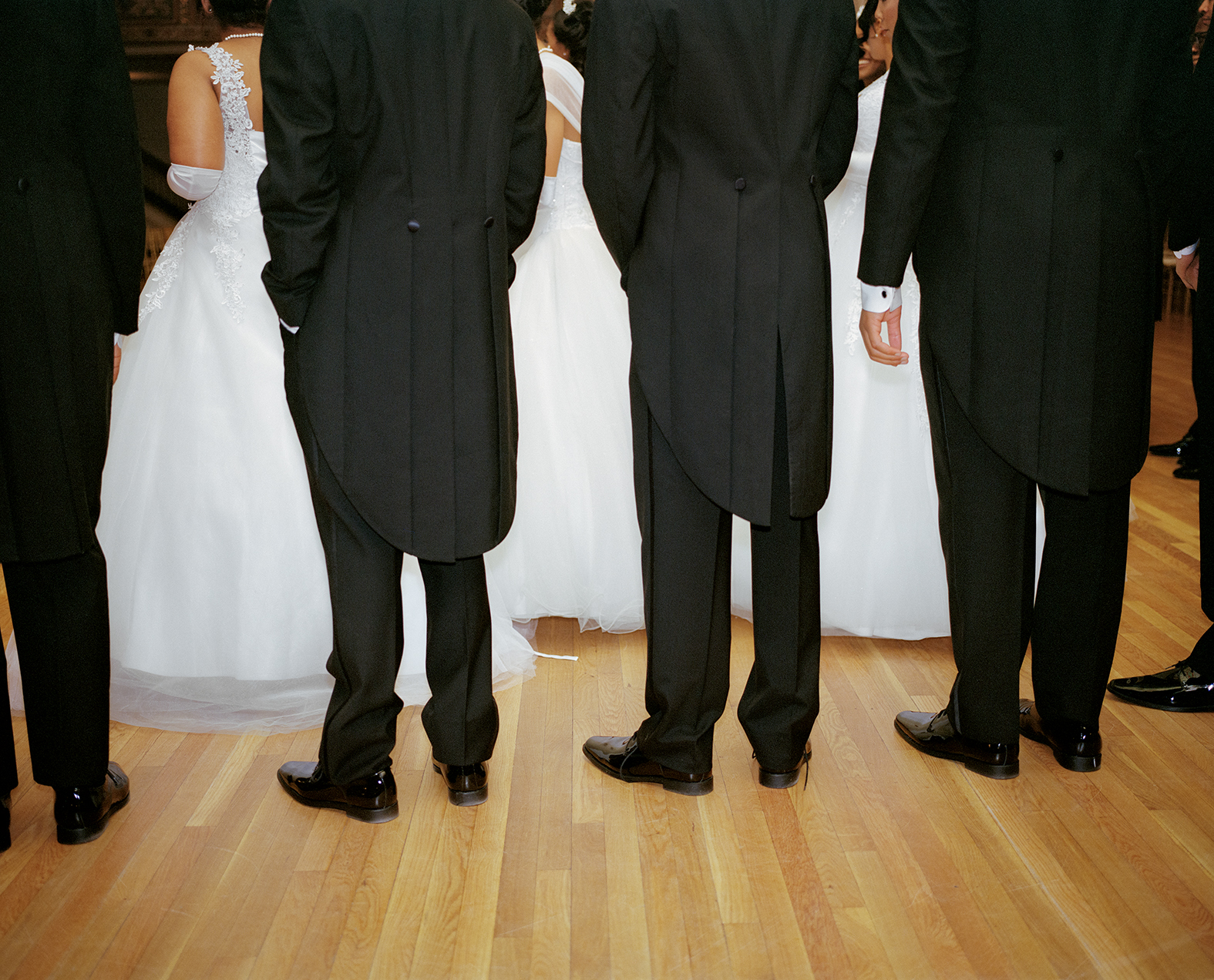
All images courtesy Miranda Barnes and MACK via Social Season (Important Flowers, 2026).
BARNES: I met Sofia on a photoshoot a few years ago and we got to talking. Of course, I knew who she was and her filmography, but I didn’t really realize how big of a photo enthusiast she was and a photographer in her own right. I decided to just talk about what I was working on, which was the book in its middle stages. And she really took to it and followed up a few months later about what I wanted to do with the final product.
RUSSELL: And where did this idea for photographing Black cotillions come from?
BARNES: I don’t come from that world. From the beginning I was very interested in these sorts of external family and sisterhood communities. I photographed a lot of the Juneteenth pageants. I had photographed a lot of black twins. I just always have been very interested in this sisterhood bond. And I do credit a lot of the inspiration to photographers who came before me, such as Eve Arnold. She did a lot of fashion work in Harlem in the ’50s and ’60s, and I think that that really inspired me to seek out a debutante club that would allow me to come in and photograph them.
RUSSELL: Cotillions are not a world that I’m not too familiar with. Was there a sense of apprehension from families? How did you gain that trust?
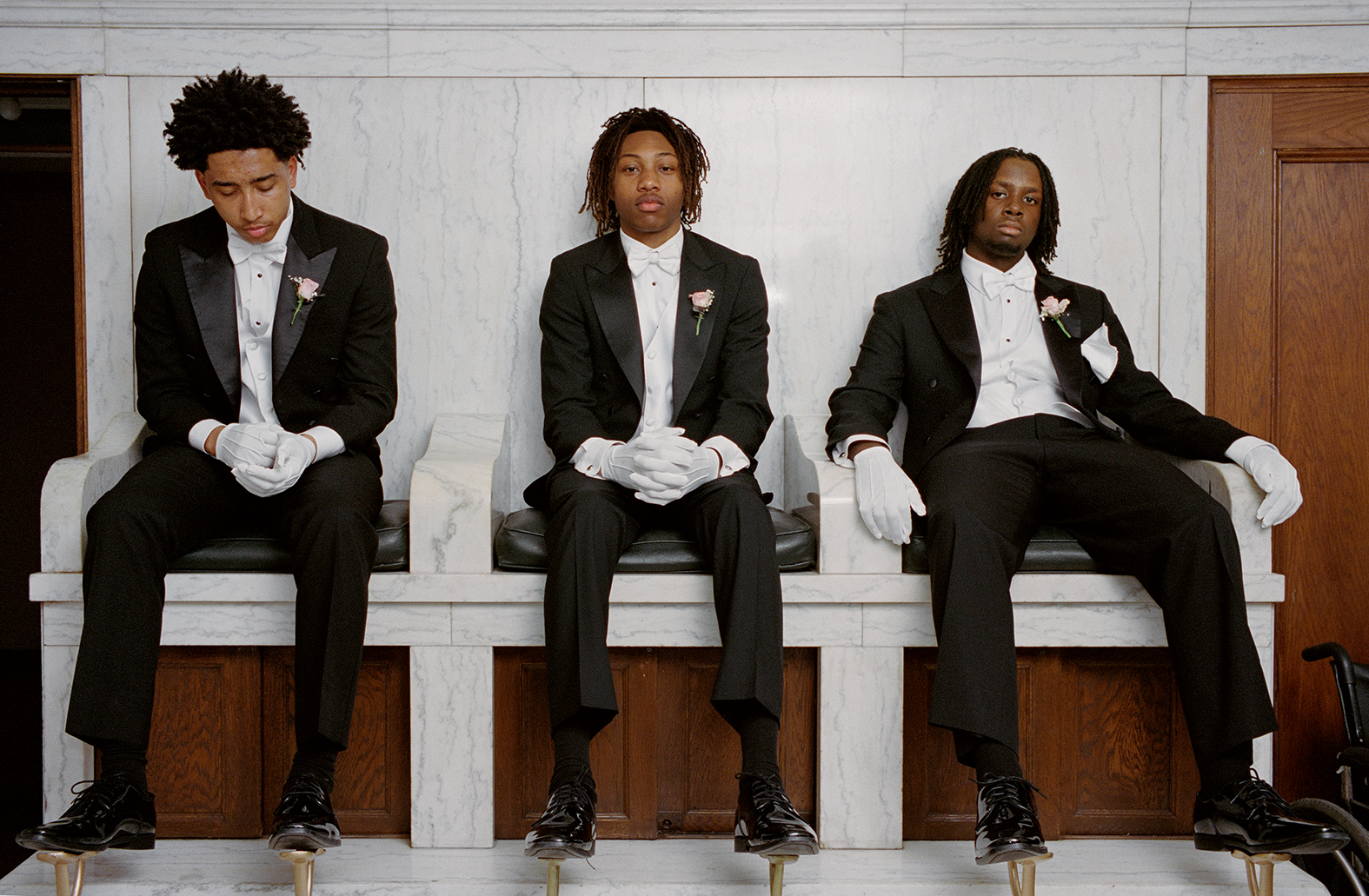
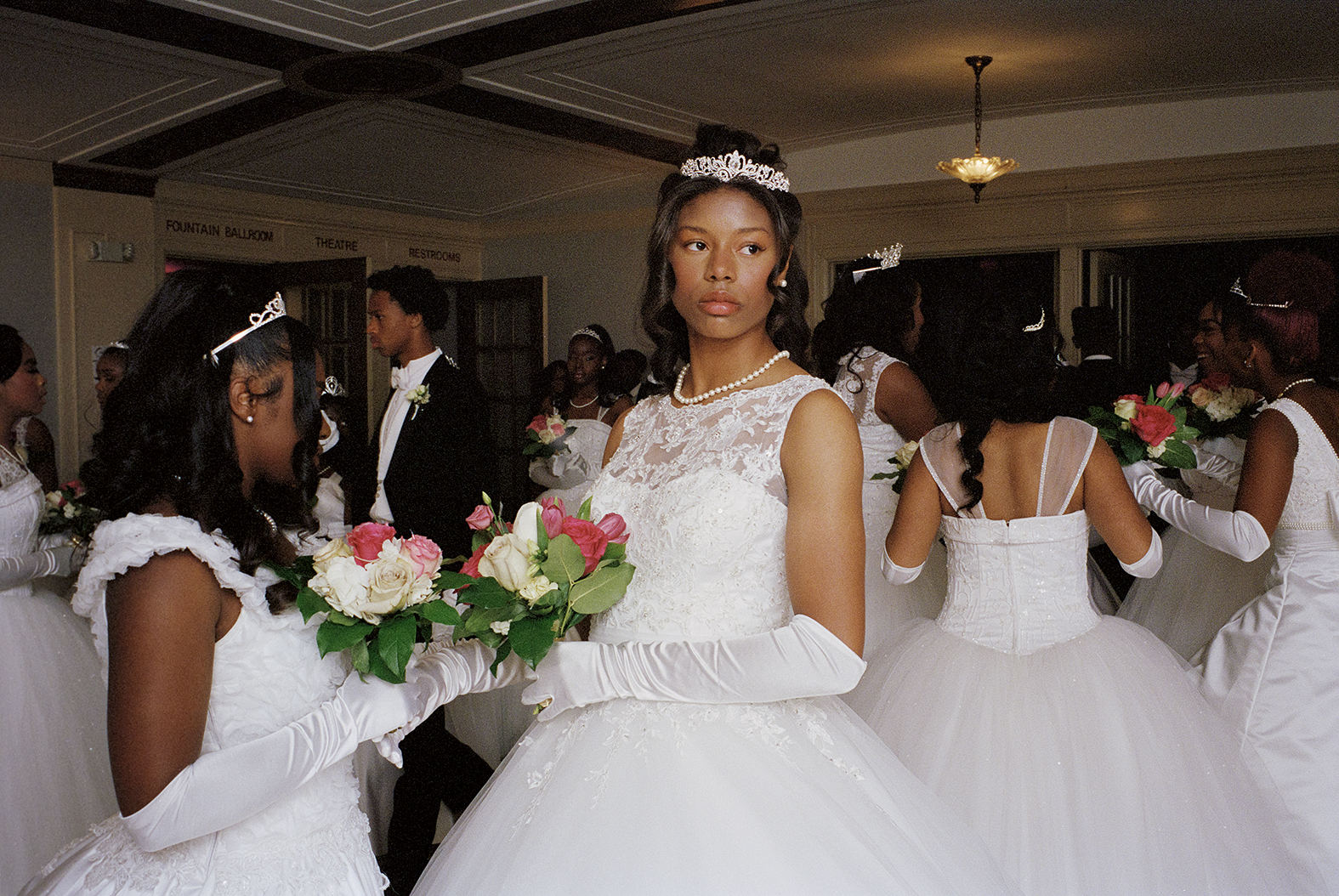
BARNES: So I photographed it for four years, so naturally there became a trusted bond between the board and me. And I made it very clear that the intention was to do uplifting work and never to feel like I was poking fun at the spectacle of it.
RUSSELL: Right.
BARNES: I think anyone is fearful of someone coming in and spinning their own narrative on something. I’ve done a lot of family portraits. I’ve done a lot of Zoom meetings with the families beforehand. But also when I halfway pitched it to the New York Times about two years ago to solidify that I was working on this, that was really a moment for the celebration of the debutante ball because they were able then to use that and gain more people to sign up for it. So that in itself was a moment where it was like, “She’s doing this for us too.”
RUSSELL: I was reviewing the photographs and there were two different themes that I was really taken by. One, I loved the moments where you were photographing the young ladies that were fixing each other’s tiaras or fixing each other’s hair. How important was it for you to photograph and immortalize those moments of camaraderie?
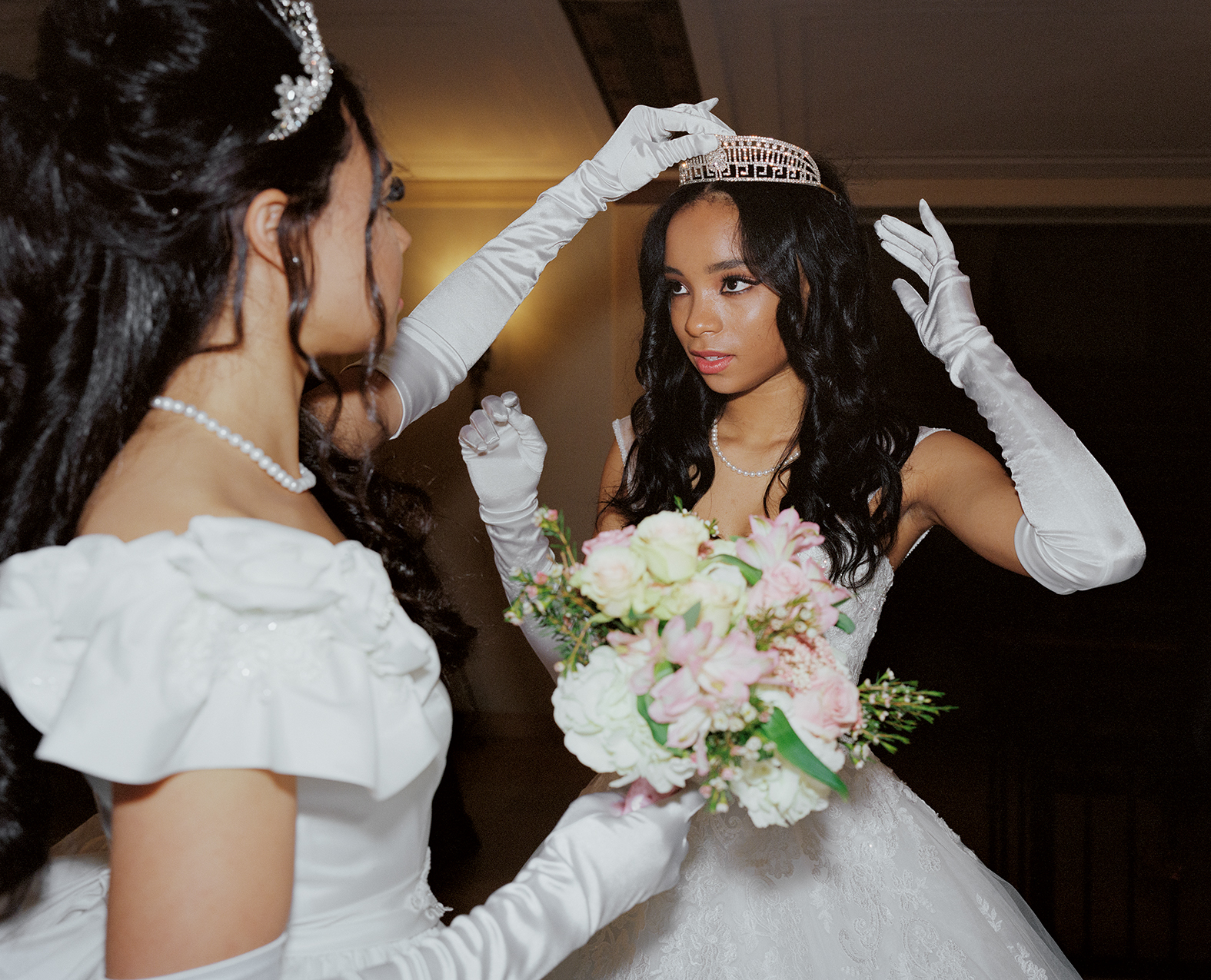
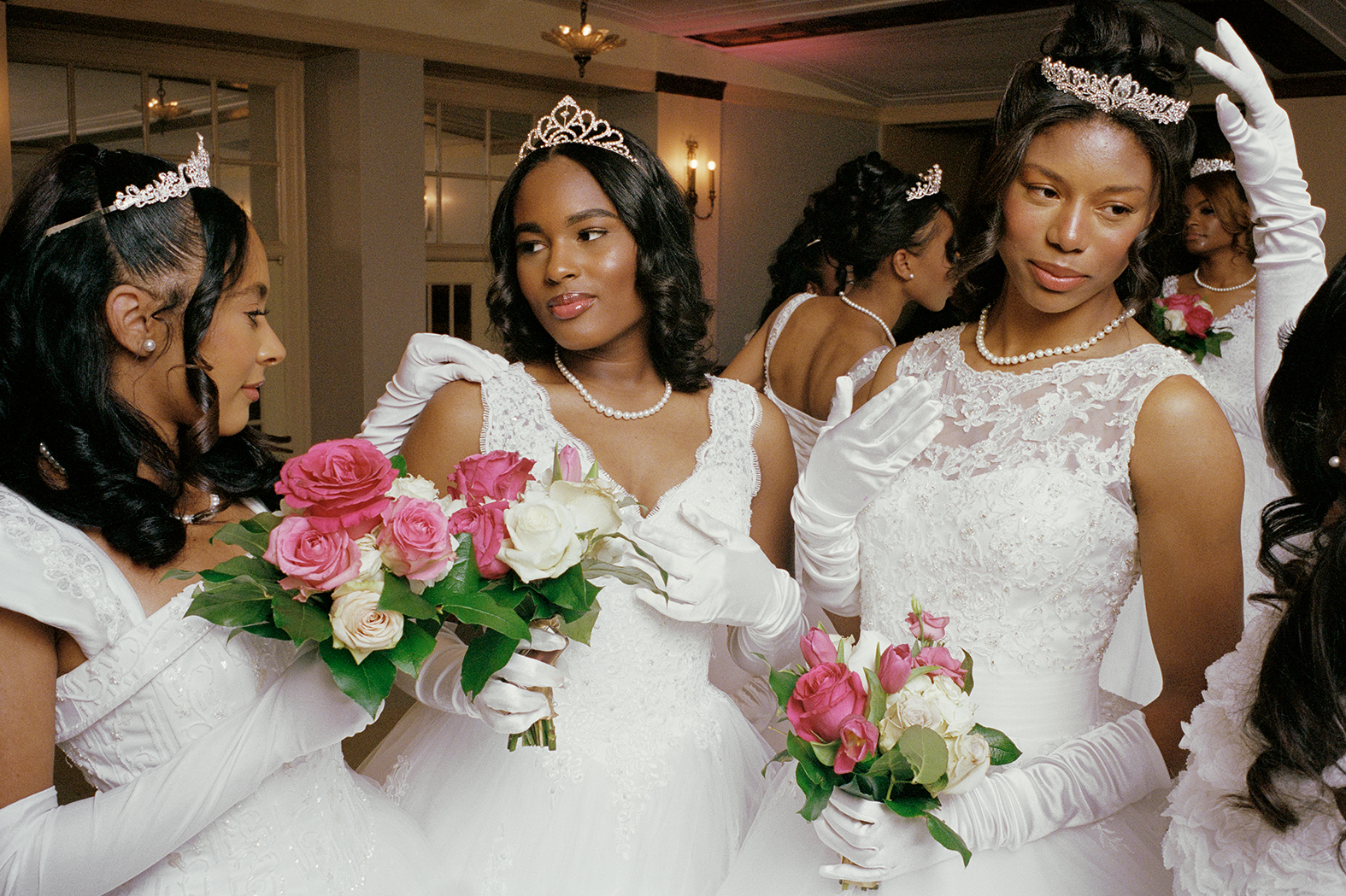
BARNES: Of course the camaraderie and community element was important, but personally as a photographer, what I was more invested in was the idea of getting access to this very insular community that otherwise would not have as an outsider.
RUSSELL: Seeing as you were an outsider, what things did you learn about these communities that you didn’t know before going into it?
BARNES: The biggest thing was just how much preparation goes into it. There’s the etiquette classes and the dance classes and the community service that goes into it, people work a full year to present themselves. It’s very fascinating from a standpoint of how intergenerational these events can be. You’ll have a debutante one year, and then two years later their sister is a part of it, or their mother was a part of it. And so that was just really nice to see.
RUSSELL: What does it look like to be a young Black woman today?
BARNES: I don’t know if I can answer that question. It’s a tough time, but I think that you just have to do what you have to do for your community and just go through it.
RUSSELL: And go through it with each other.
BARNES: I mean, there’s really no other alternative.
Social Season (Important Flowers, 2026) by Miranda Barnes, published by MACK.