


Click
Tyrell Hampton and Paloma Elsesser Are Still Two Downtown Rats


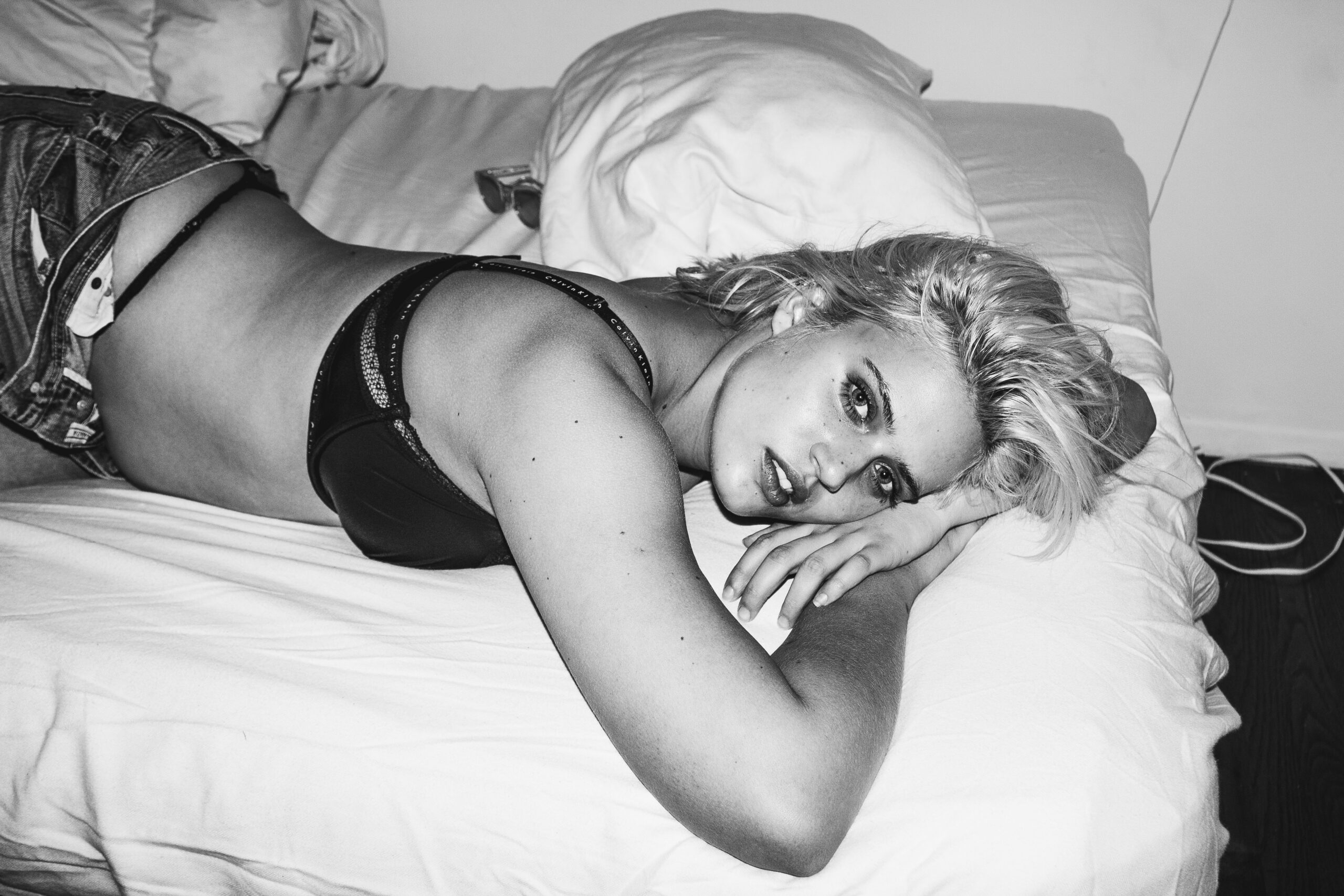
All images courtesy of Tyrell Hampton.
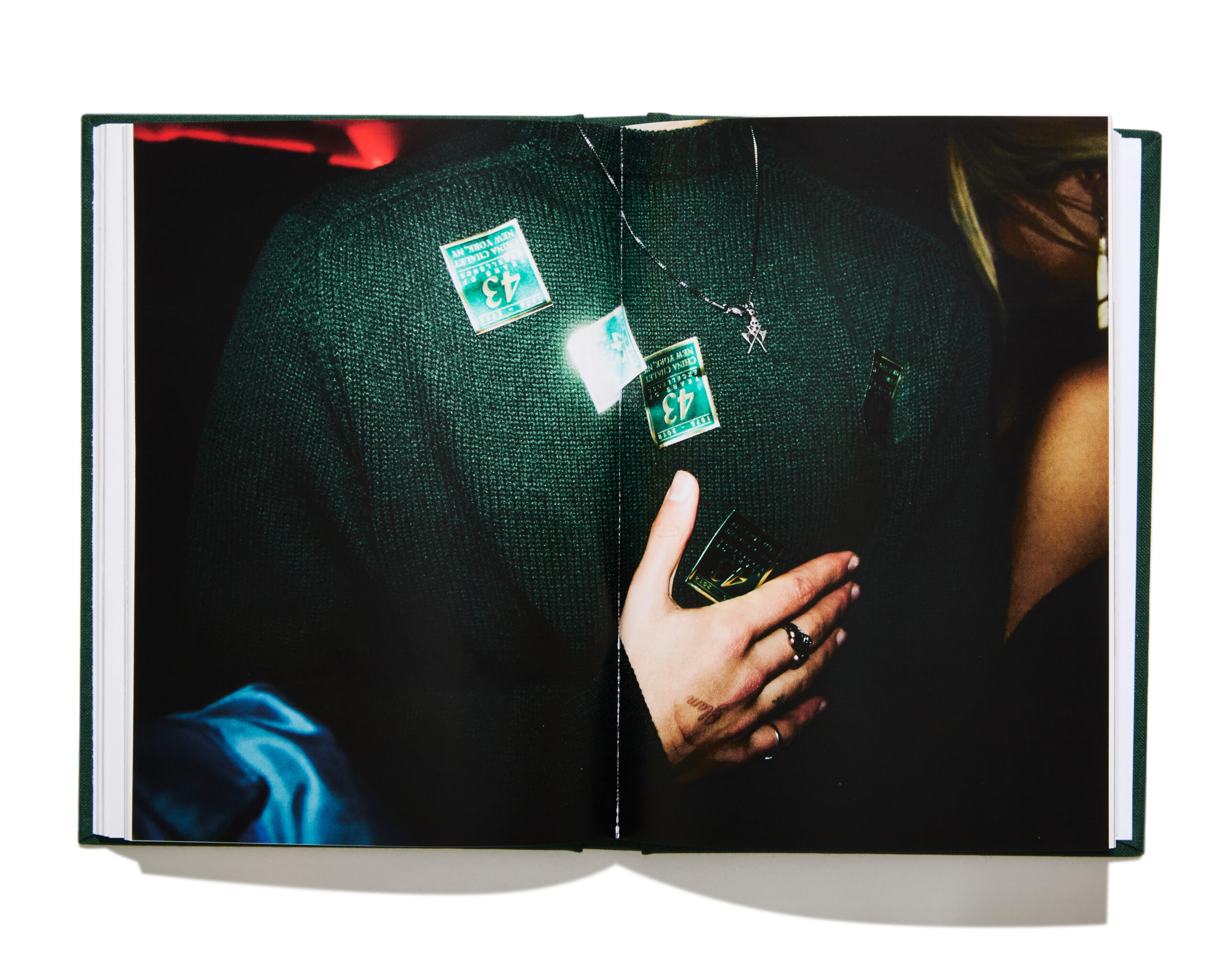
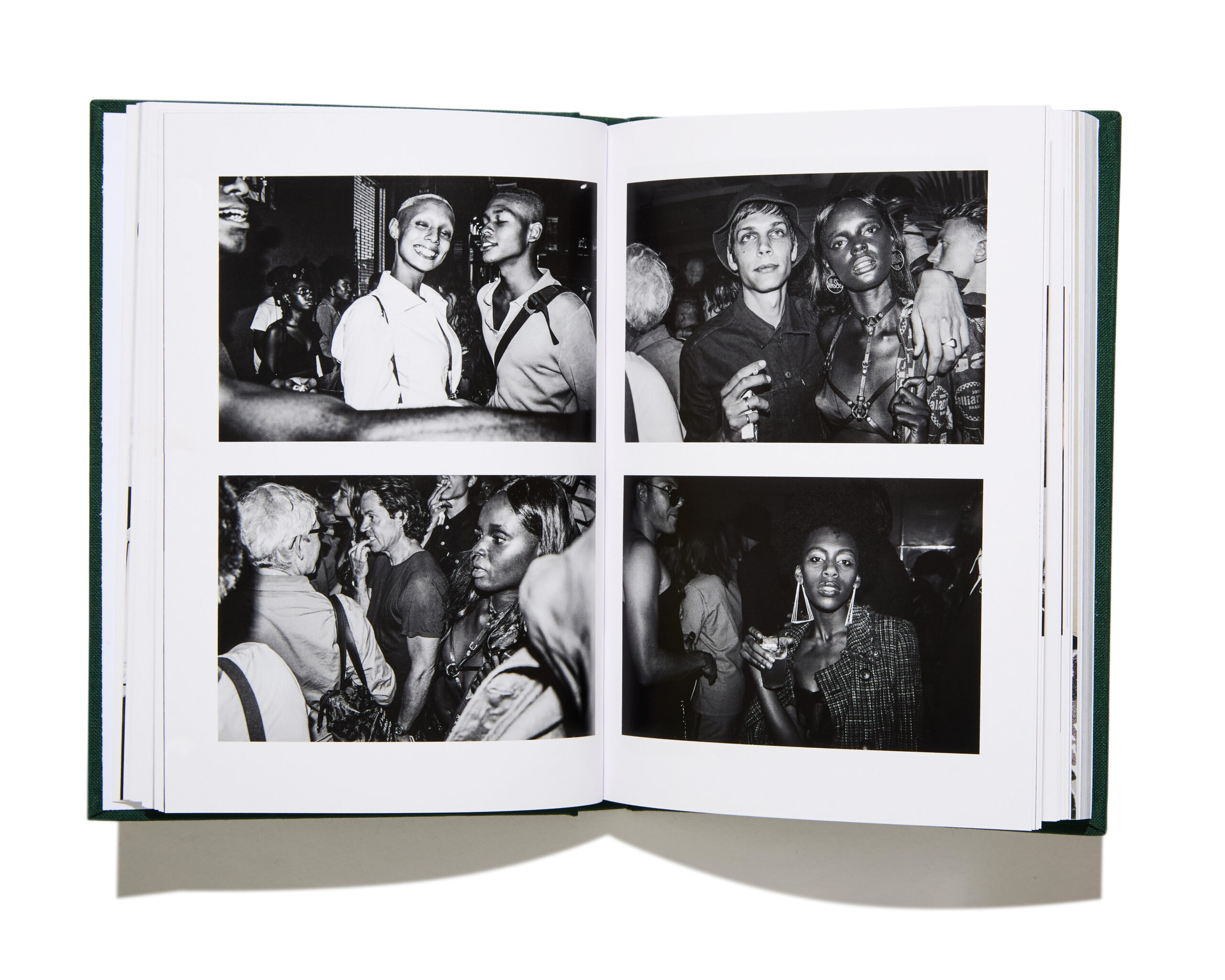
Tyrell Hampton is closing out an era. Over the past decade, the 28-year-old photographer has ricocheted through New York City with a camera in hand, snapping everyone from future superstars to the fabulously anonymous. His new photobook, Last Call, memorializes those years of youthful chaos before he turns the page. To celebrate its release, he caught up with one of his oldest friends, Paloma Elsesser, to reminisce about growing up downtown and why the best nights out usually start with absolutely no plan at all.
TUESDAY 3:30 PM JUNE 23, 2026 NEW YORK CITY
———
PALOMA ELSESSER: Good afternoon, my honey. How are you?
TYRELL HAMPTON: I’m good. Long time no see. Two days.
ELSESSER: It’s been a few days since being in the streets, being outside as we do.
HAMPTON: In the sun.
ELSESSER: I’m so proud of you, and I’m so excited for this book. This is your second, right?
HAMPTON: Yes. First official, but second in the ether.
ELSESSER: I’m curious, what made right now the moment for you to make Last Call?
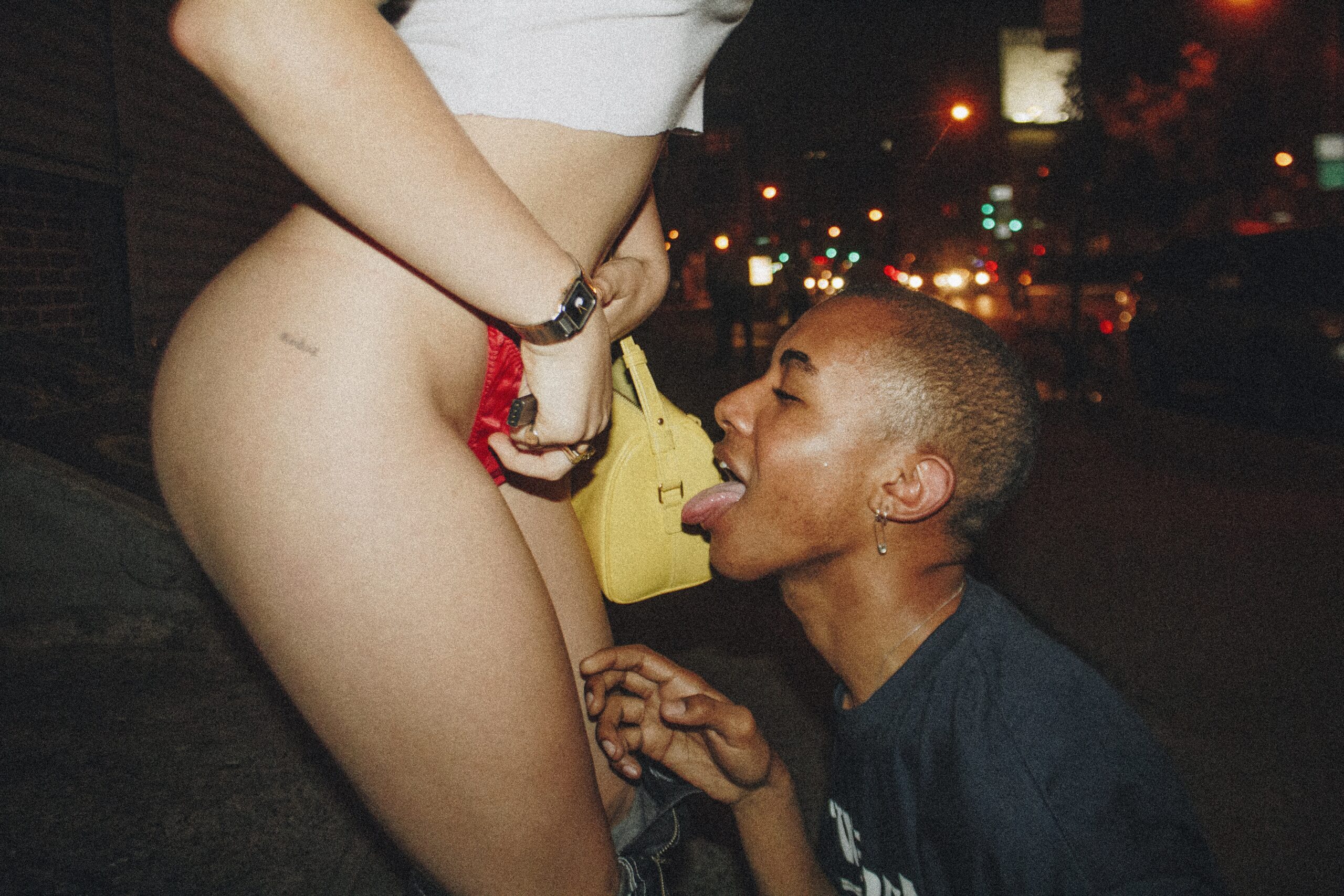
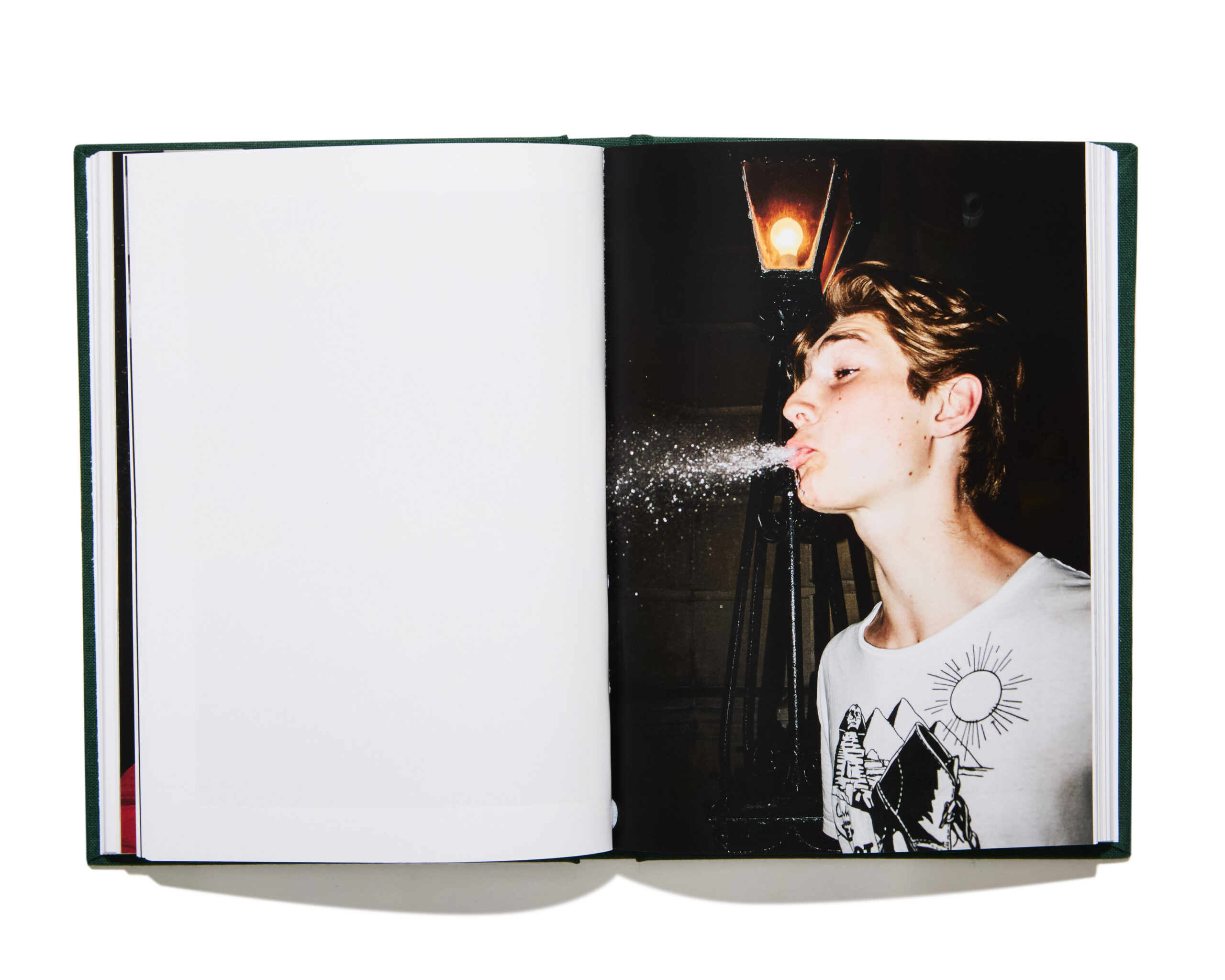
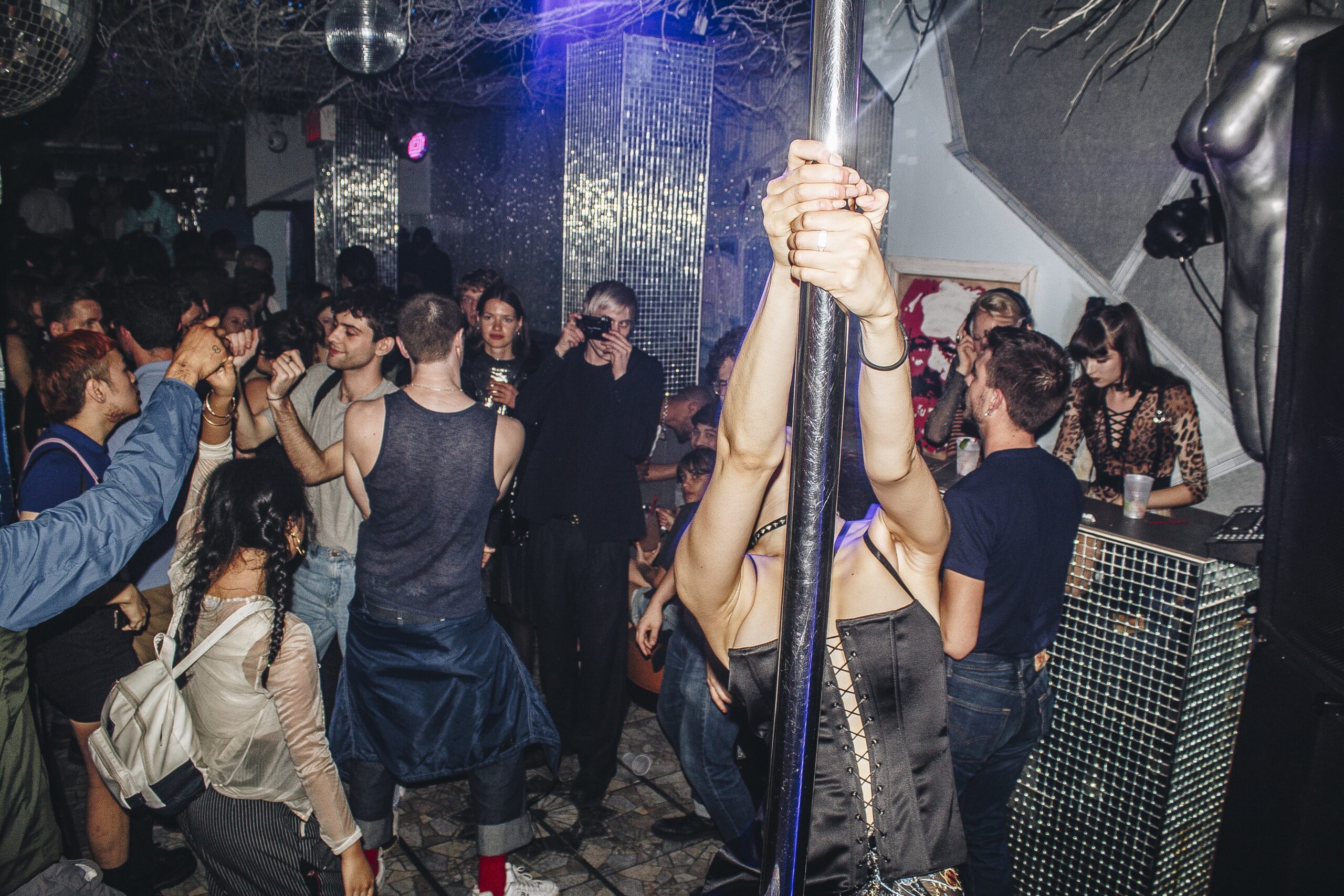
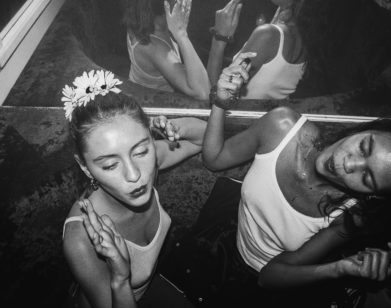
HAMPTON: It’s like, I’m almost 30. I’m 28, and it felt like the perfect time after having lived all of these years of adolescence in the streets, frolicking around New York and getting to know my community. I feel like we’re all growing up. [Gabriette] is in it, and she’s getting married. You’re in it and you’re this superstar. It’s when Jordan [Daniels] and I first met. It’s an amalgamation of pivotal moments, when our careers were just us hanging out. I just don’t want to be in the streets anymore taking photos and monitoring people. I want to be in the moment and do things more intentionally. So now was the perfect moment to put together all of my adolescent moments and to give it the last call. Last call for drinks, last call for my youth–
ELSESSER: Last call for alcohol.
HAMPTON: You know what I mean? It’s time to hang it up, be in the house, chill nights in.
ELSESSER: Yeah, it’s a new era. But we’re really in an era of nostalgia. Younger generations are yearning for times they weren’t a part of. I think that’s why this feels so relevant and so necessary. Jawara and I were literally talking about China Chalet. We were listing off all the clubs that we used to go to and we were like, “Where do the kids go now?!”
HAMPTON: Yeah.
ELSESSER: I always say at the end of the day, I’m just a scrappy girl downtown. That’s how I started. That’s how I got that. I got scouted—not scouted the same way—but I literally got believed in on the curb outside of Cafe Select. Do you know what I mean? How do you feel that the downtown community has informed your work and how you exist today?
HAMPTON: I definitely would be nowhere without my community. I’m a transplant from Philly and moving here at 17, I wouldn’t have been introduced to half the things I have if I hadn’t been frolicking through the New York streets—going downtown, going to parties, meeting people, sneaking into places I wasn’t supposed to, taking photos when I wasn’t supposed to, being in people’s business, being nosy. You know what I mean? I don’t think I could’ve done any of it without that childlike spirit. It was all of us noticing each other, feeding off each other’s energy. We have that spirit where we can hang out all day and get into all kinds of stuff. The book encapsulates that for me.
ELSESSER: Exactly.
HAMPTON: I didn’t move here just to take photos of famous people. I was at China Chalet, Club Glam, all these places with producers, casting directors, and the people behind the scenes who really make all this shit happen. No one really knew what they looked like, but they were fab. You know what I mean? People weren’t thinking of these icons as personalities, but I was obsessed with them just from seeing them out. I also want the book to preserve that nostalgic feeling of being out in the streets, where you’re not seeking anything out, you just find your community. What you make of it is what you make of it, and you never know what’s going to come from it.
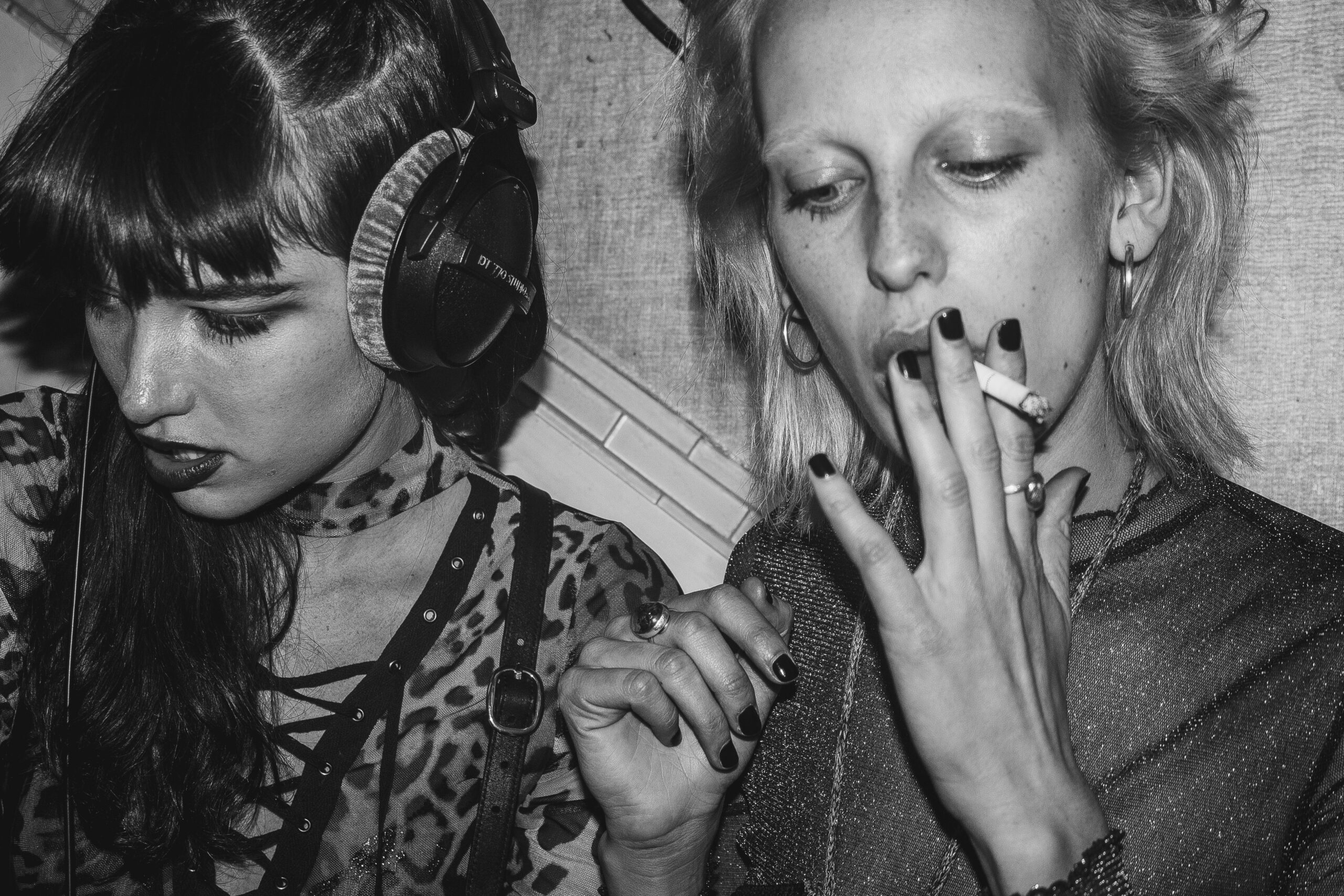
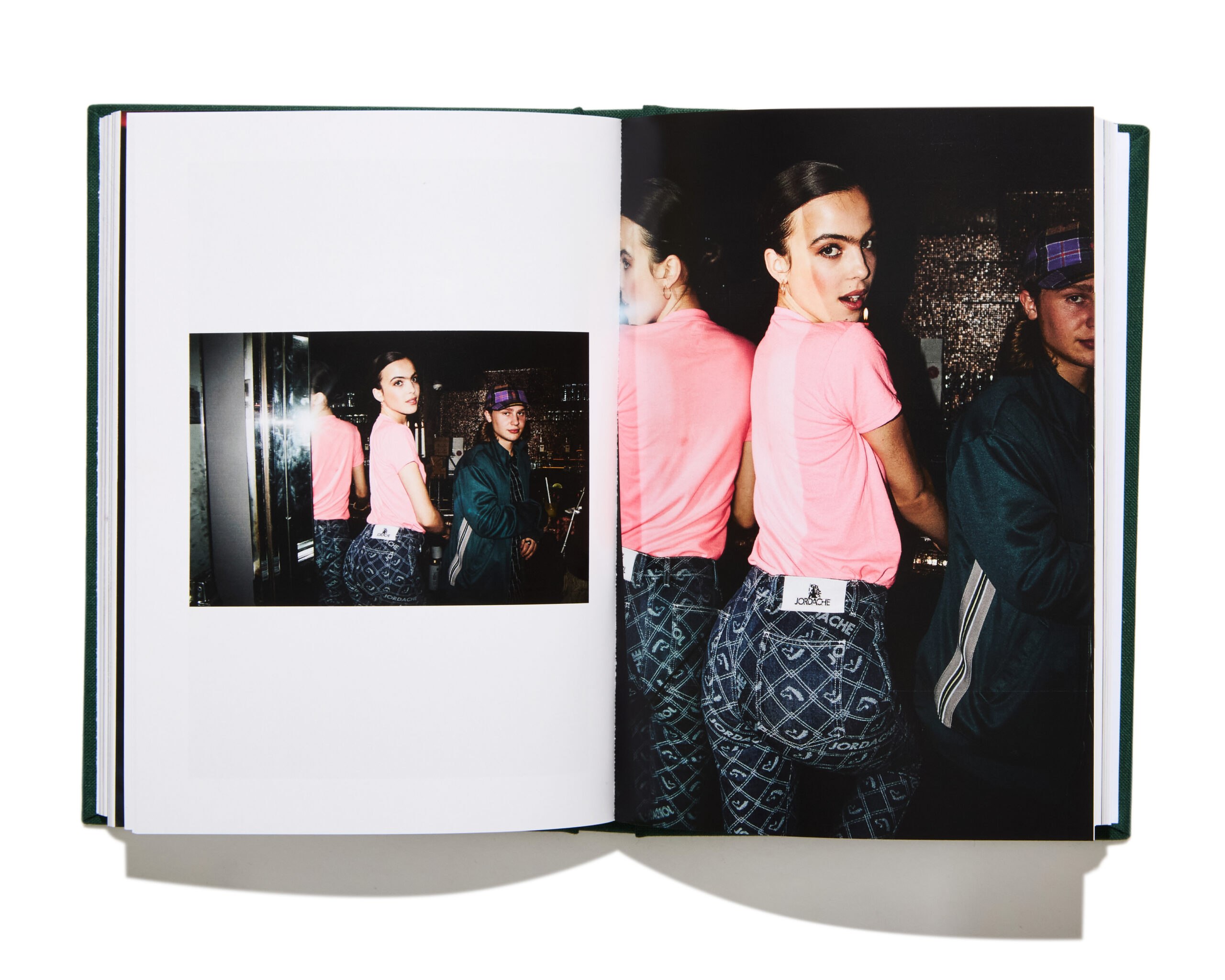
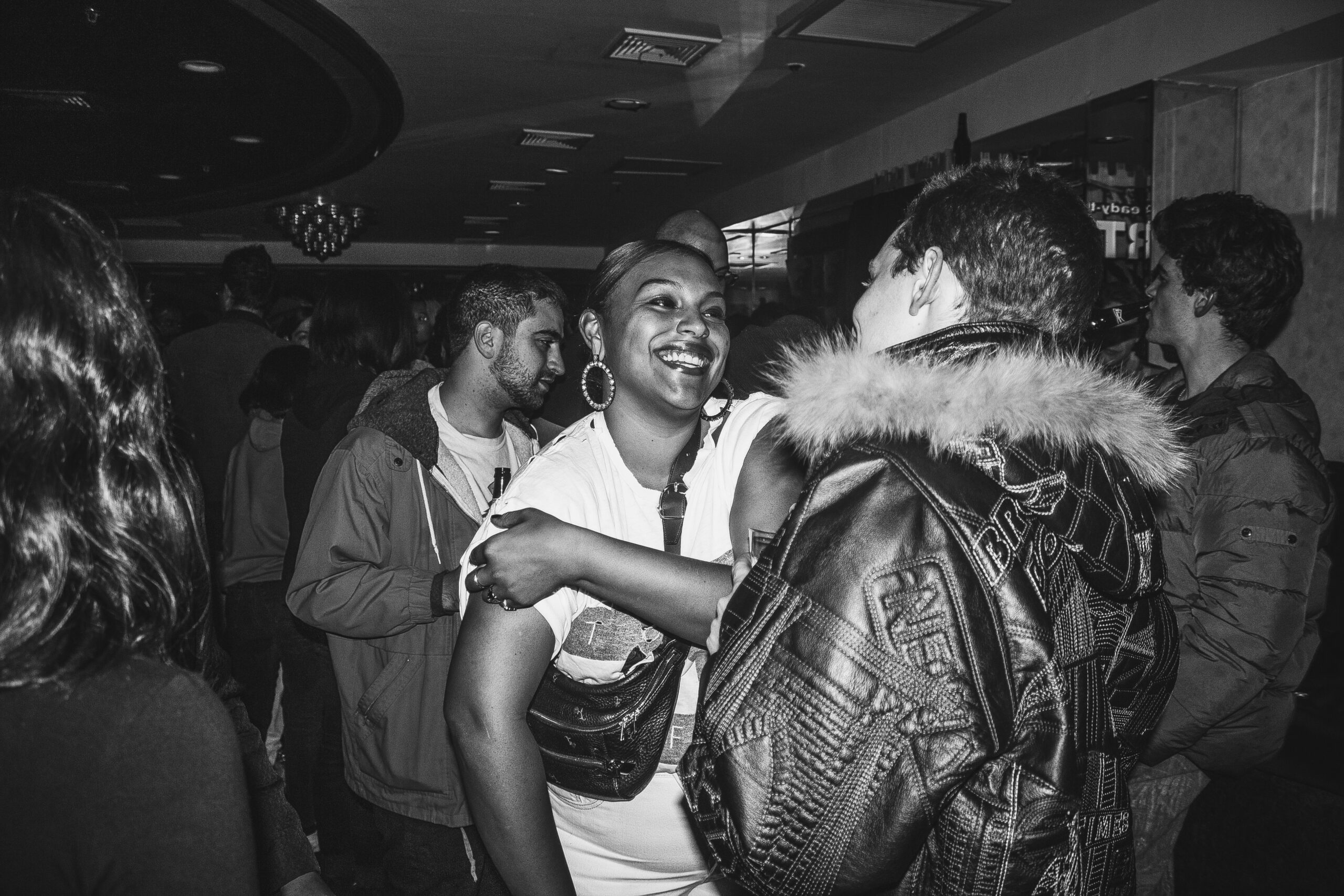
ELSESSER: Yeah. I mean, we have to almost freeze that time. Even when I came up, Instagram had only just come out in 2011. I got signed in 2014 or 2015, so it was pre-TikTok, pre-all these things. I’m just so proud of you. You have a book that’s tangible. It’s not just pumping through the streets. And I say that too—my banji roots inform everything that I do.
HAMPTON: Literally. Yes.
ELSESSER: I’m in big talent agency meetings and I’m sitting there like, look, I’m niche. I’m not for everybody. But the community that I belong to, where I feel the most inspired, are not people who are subscribing to norms. Half of them are not even concerned with fashion like that.
HAMPTON: Literally.
ELSESSER: It’s really interesting that the people that you reference or have captured in this book and over time, you captured us for a reason. You believed in the spirit of what we were doing, which naturally I think is really interesting in the age that we live in and why nightlife is so important because it was a lived experience. You can’t aestheticize or perform dancing and smoking a million cigarettes outside–
HAMPTON: No.
ELSESSER: You can’t make it up.
HAMPTON: Waiting in line outside.
ELSESSER: Yeah, having Sherry [Cosovic] sneak you in. I met Raul [Lopez] when I was 17. I’m 34. Do you know what I mean? And Raul is Raul now. We literally were just banji girls in the streets.
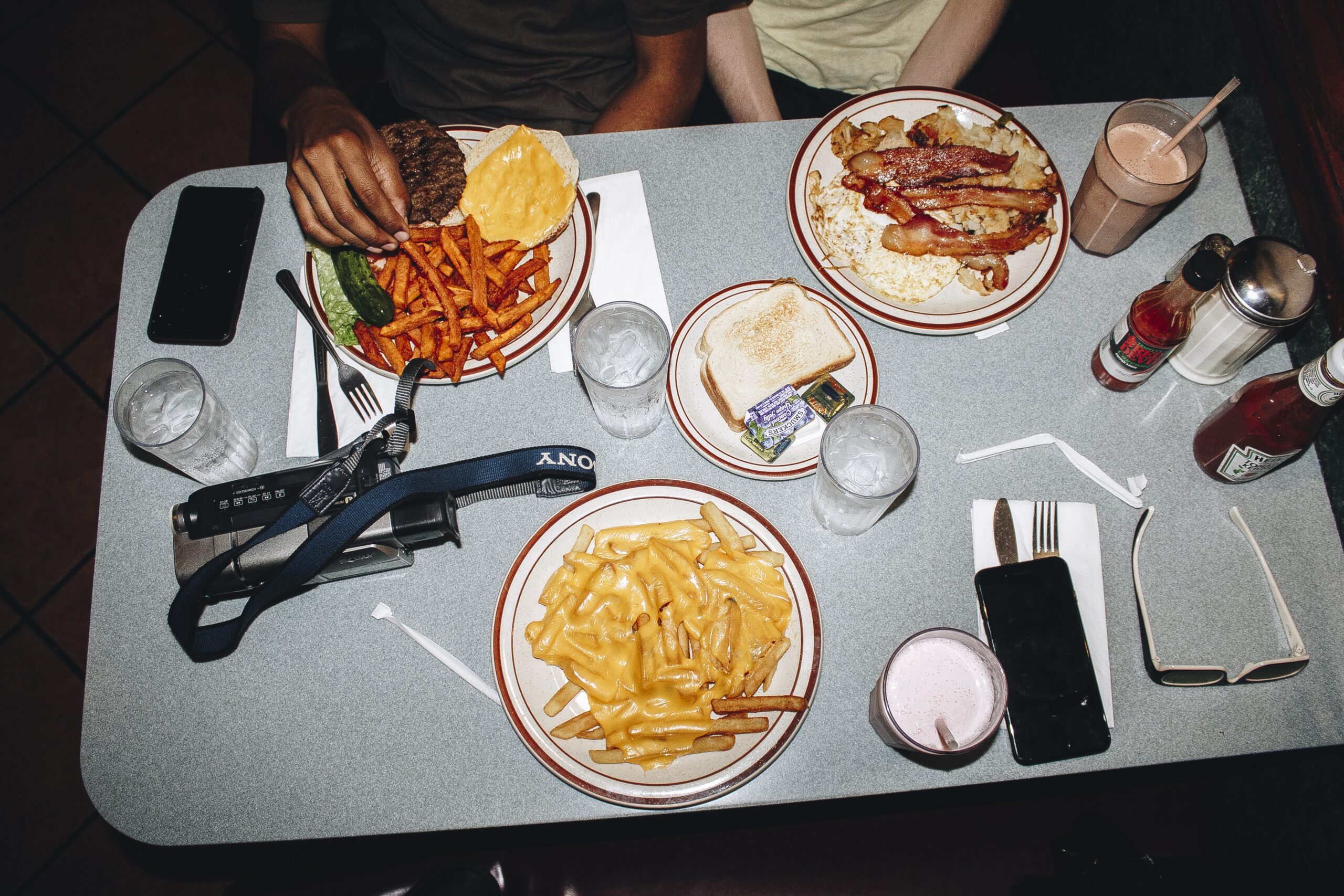
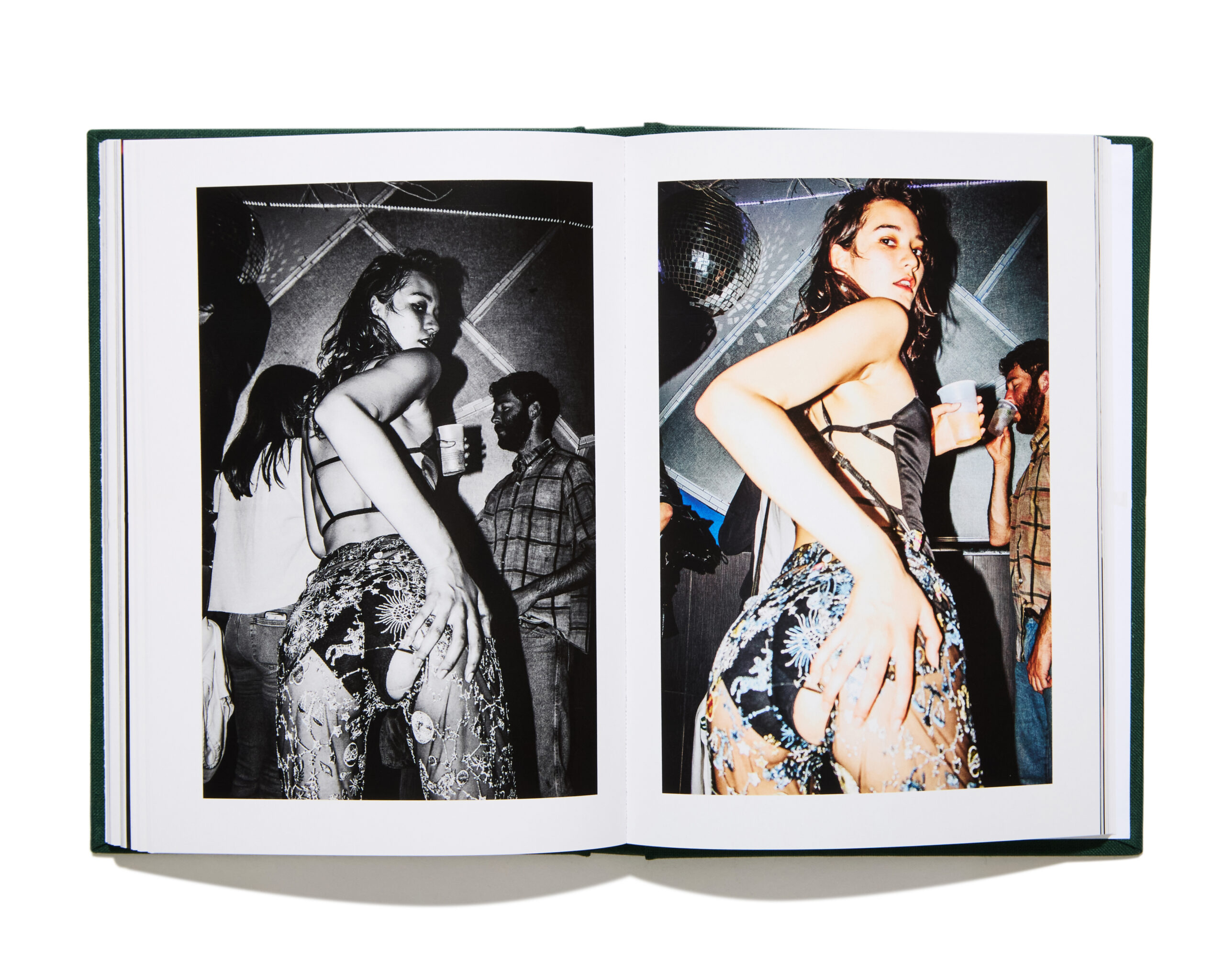
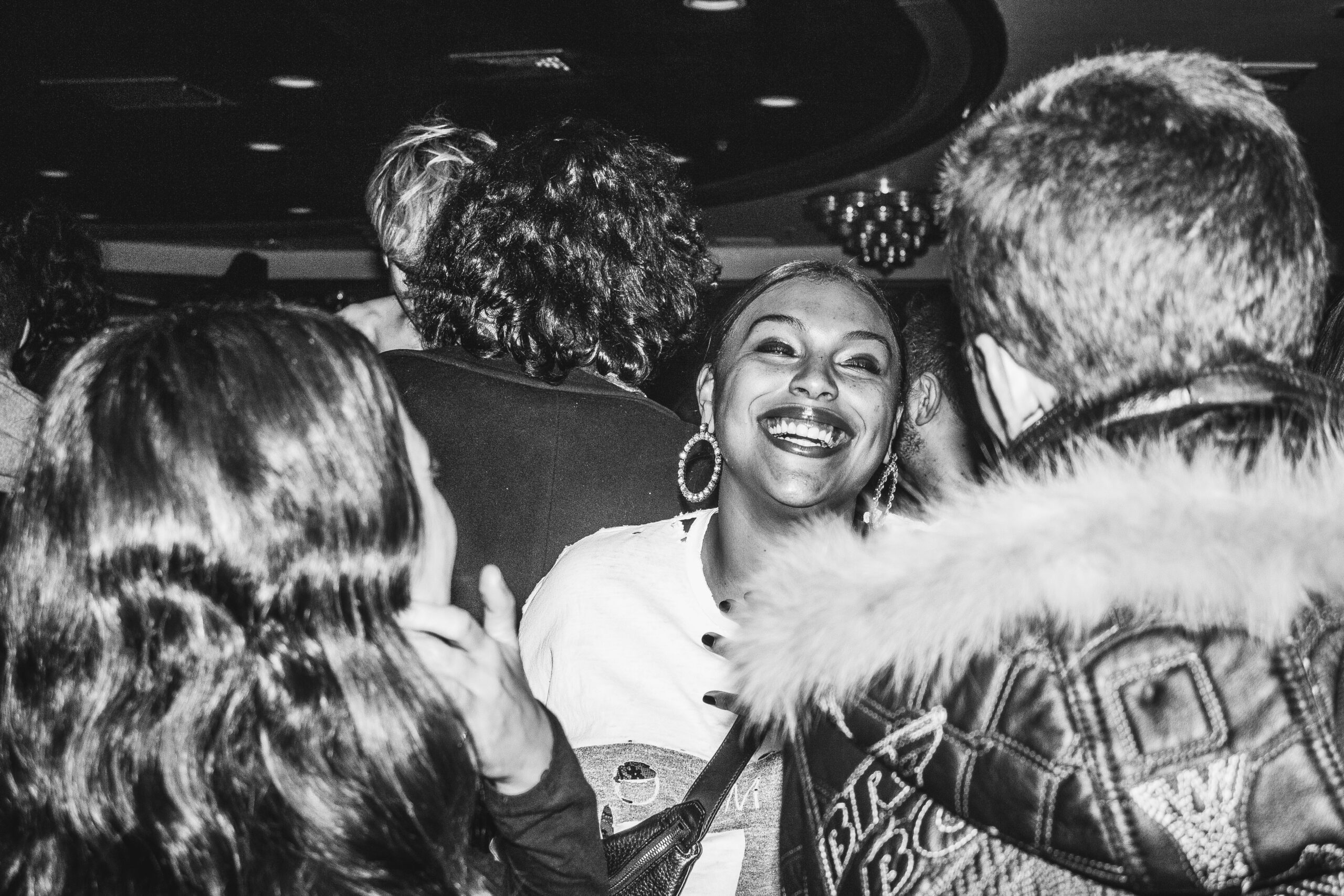
HAMPTON: Just looking for a good time just to be like, “Let’s be young and have fun.”
ELSESSER: Yeah, let’s be young, have fun. And what are common interests? So many of the people that are so near and dear to me today, my sacred wholesome friends, I met in the streets.
HAMPTON: Yes.
ELSESSER: I think this book is such an important embalming moment because I think what’s happening a lot is that people can—through aesthetic, through however they curate—try to replicate that identity, but you’ve now captured the reality of what we were doing. Before there was money, before it was curatorial, before you were on some career shit.
HAMPTON: 100%.
ELSESSER: You were just taking pictures. How does it feel now to look back at who was now and who is today?
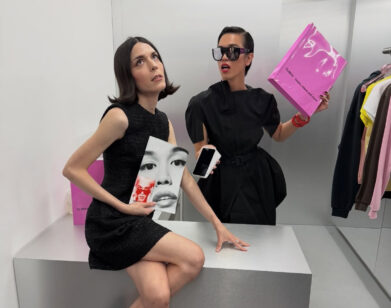
HAMPTON: That’s a good question. Back then, I was much more naive about the melting pot that is New York City. I didn’t realize how much comes with being a free spirit, how people sometimes feed off that energy, sometimes try to take it away. As I’ve grown, I’ve been able to nurture this community that I have now. With you, with Raina [Bell], who I’ve known since she was a baby, and all these friendships that have lasted. I think the city’s hard shell has made me appreciate them even more. Now we hang out, go shopping, find fab clothes. I don’t really shop, but I’m there for a good time. I love soaking up your guys’ energy, joking, laughing. I think my younger self would be really happy to see that because, with my dance background, I didn’t have much freedom to explore my spirit. That’s why I feel like this is the last call. I’ve had my little high school experience, my college experience, and now it’s time to be intentional. To work intentionally and live in the moment. We were out the other day, and I remember thinking, “This would make a great film or ad.” But instead I wanted to live it, remember it, and eventually turn it into something that fits my own narrative. Us on the street, that Sex and the City energy, I feel like I can finally live it. I’ve documented it, and now I can document it in a more intentional way for something that’s bigger than me.
ELSESSER: I also feel sad looking at your book and knowing all of its content. I actually feel bad for the youth. I love them so much.
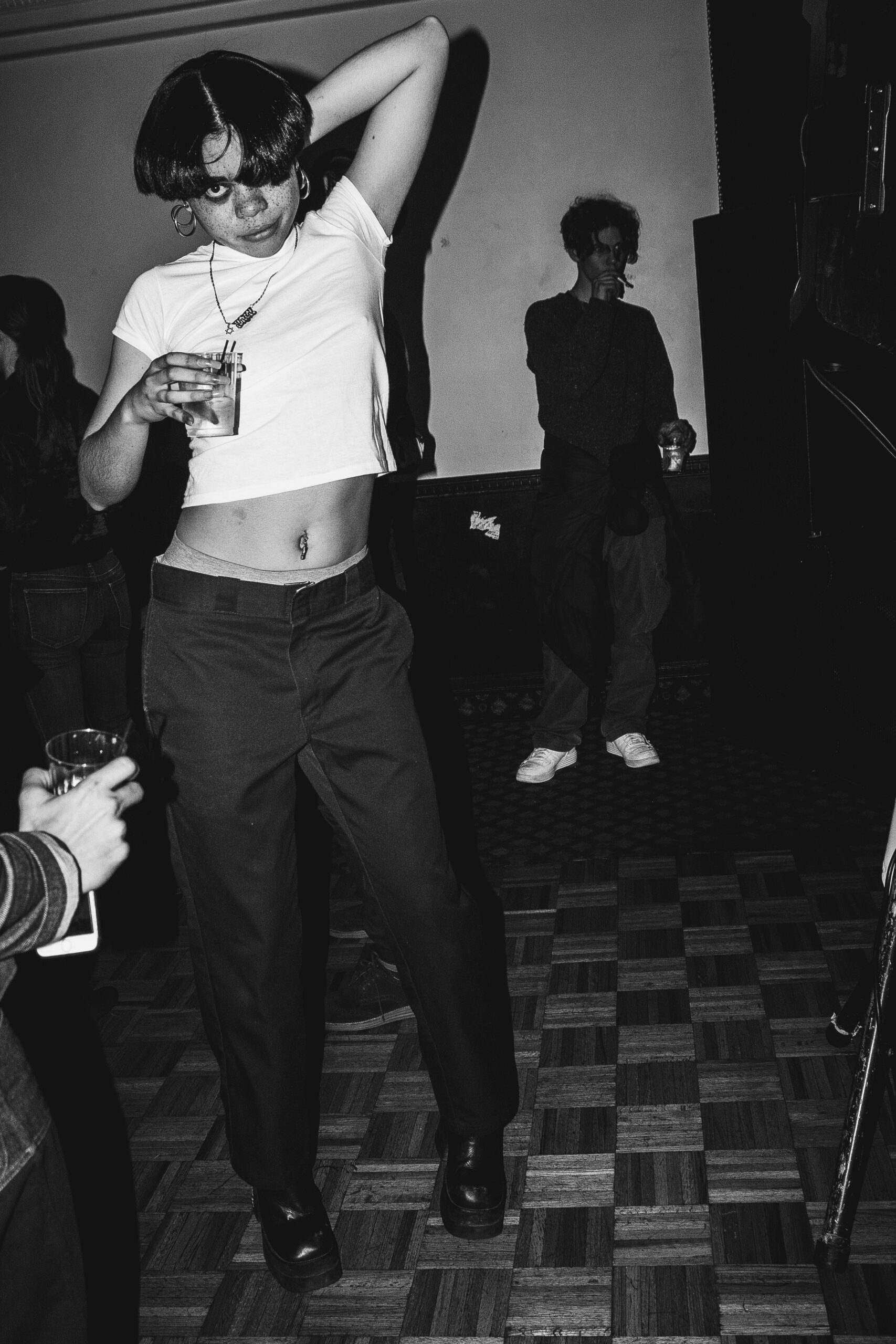
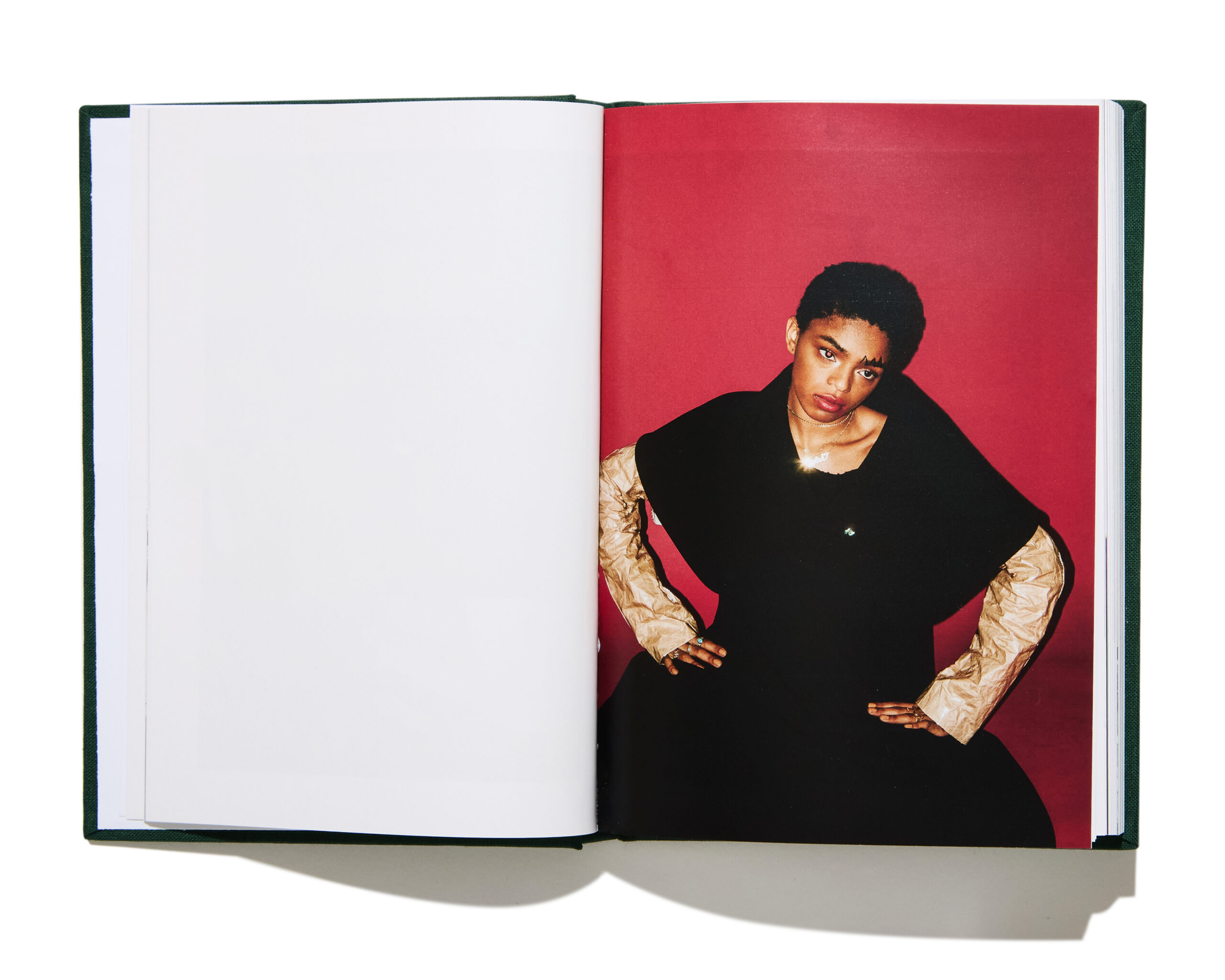
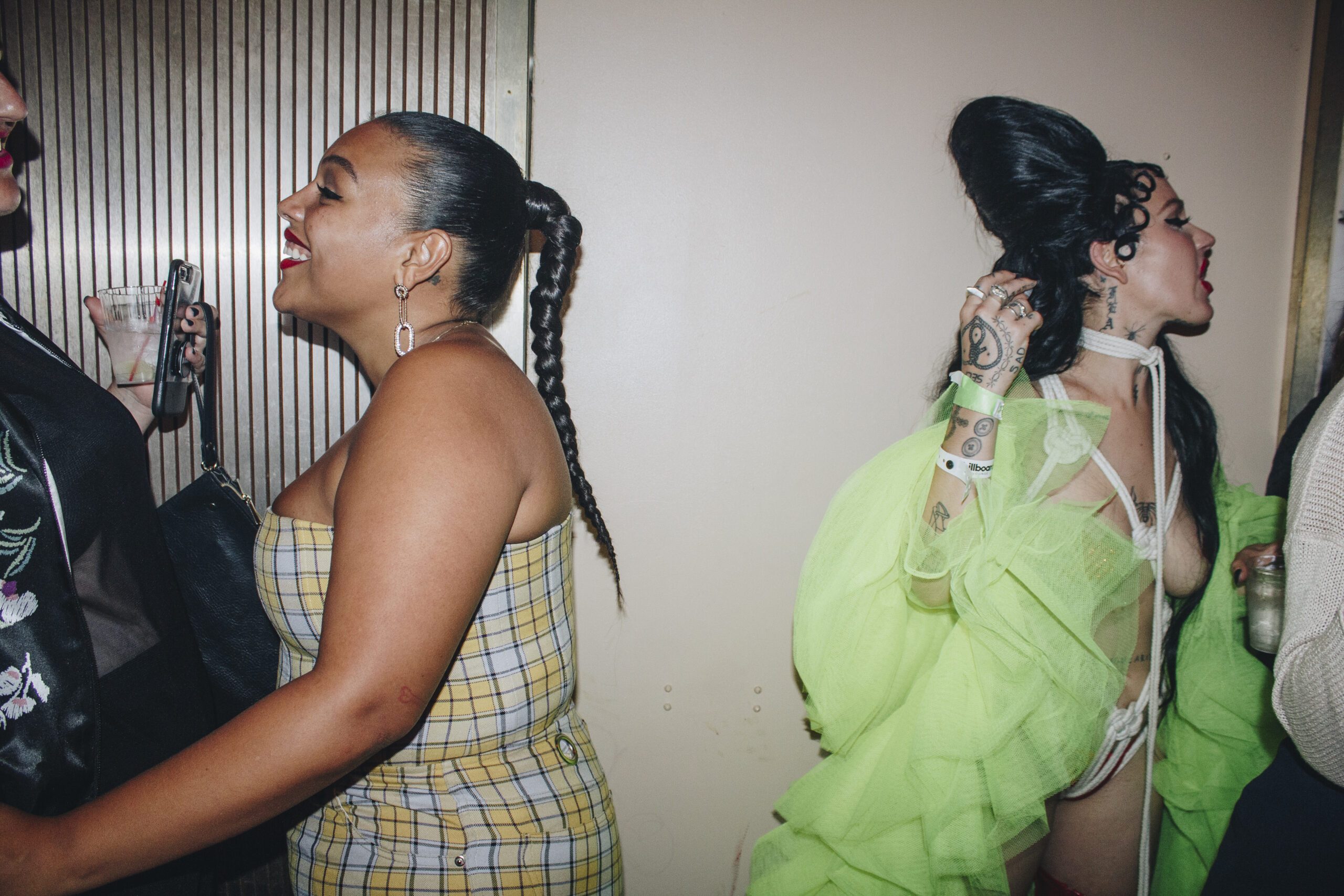 HAMPTON: You unc real bad right now.
ELSESSER: [Laughs] Literally, I was at LA Apparel and the girls were like, “I love you.” And I was like, “You guys are all so cute and I cannot handle how cute these girls are now.” Anyway, I’m out of the loop, but my question is, what do you want this book to inspire in a younger generation?
HAMPTON: I want everyone to just have fun and be free. The story of how the book came about is really just us frolicking and living life without thinking about the repercussions. I want people to feel that. That’s why I started the book with photos from 2017 and 2018, it reminds you that we still weren’t so consumed by technology. I want that to be the through line—just have fun. And you never know who you’re around. The people inspiring you right now, the people you’re drawn to, hold onto that community because you never know what you might create together.
ELSESSER: I want the same thing. I also want there to be an authenticity though in that connection. I really hope and pray for a depth of connection that goes beyond the come up of each other.
HAMPTON: 100%.
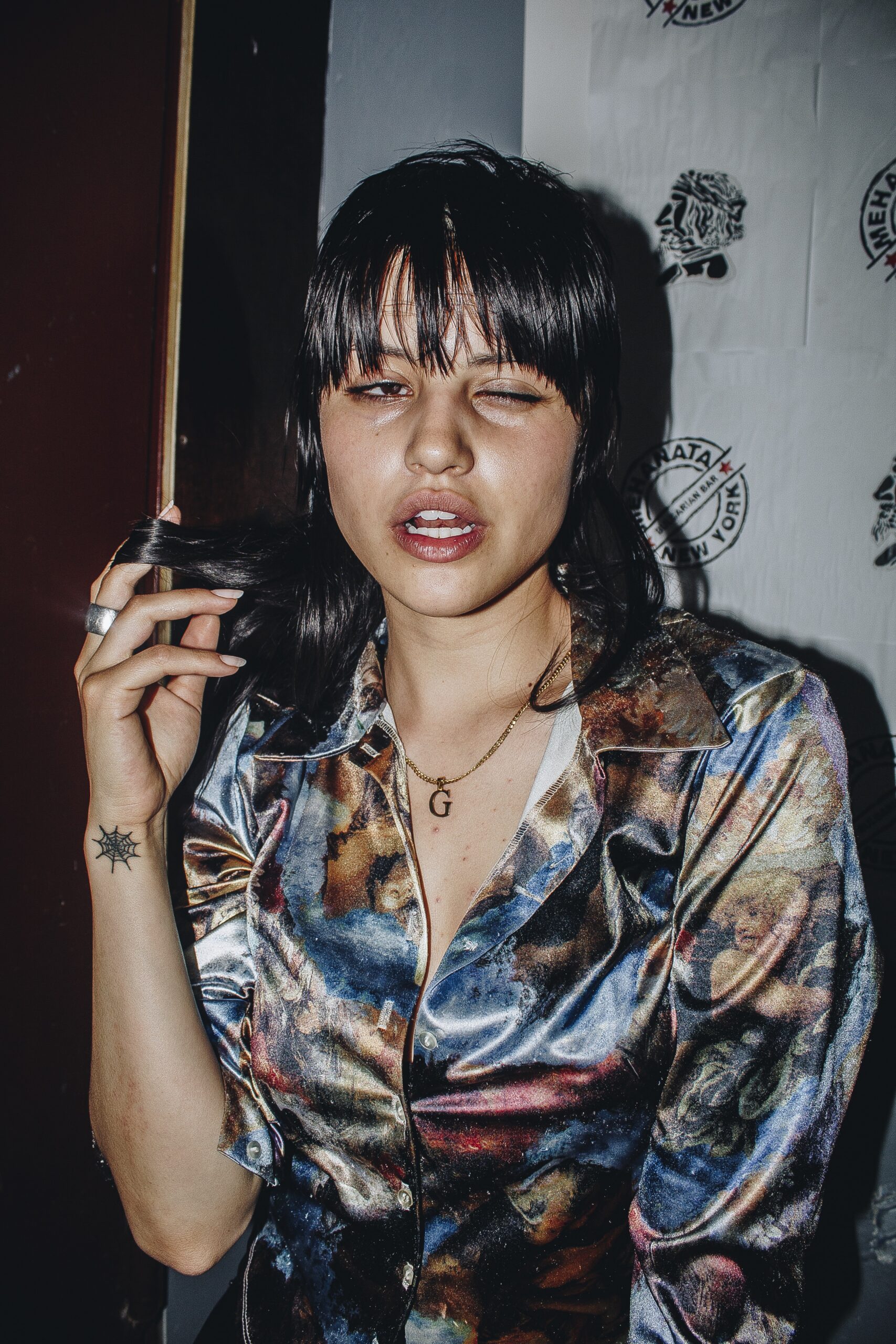
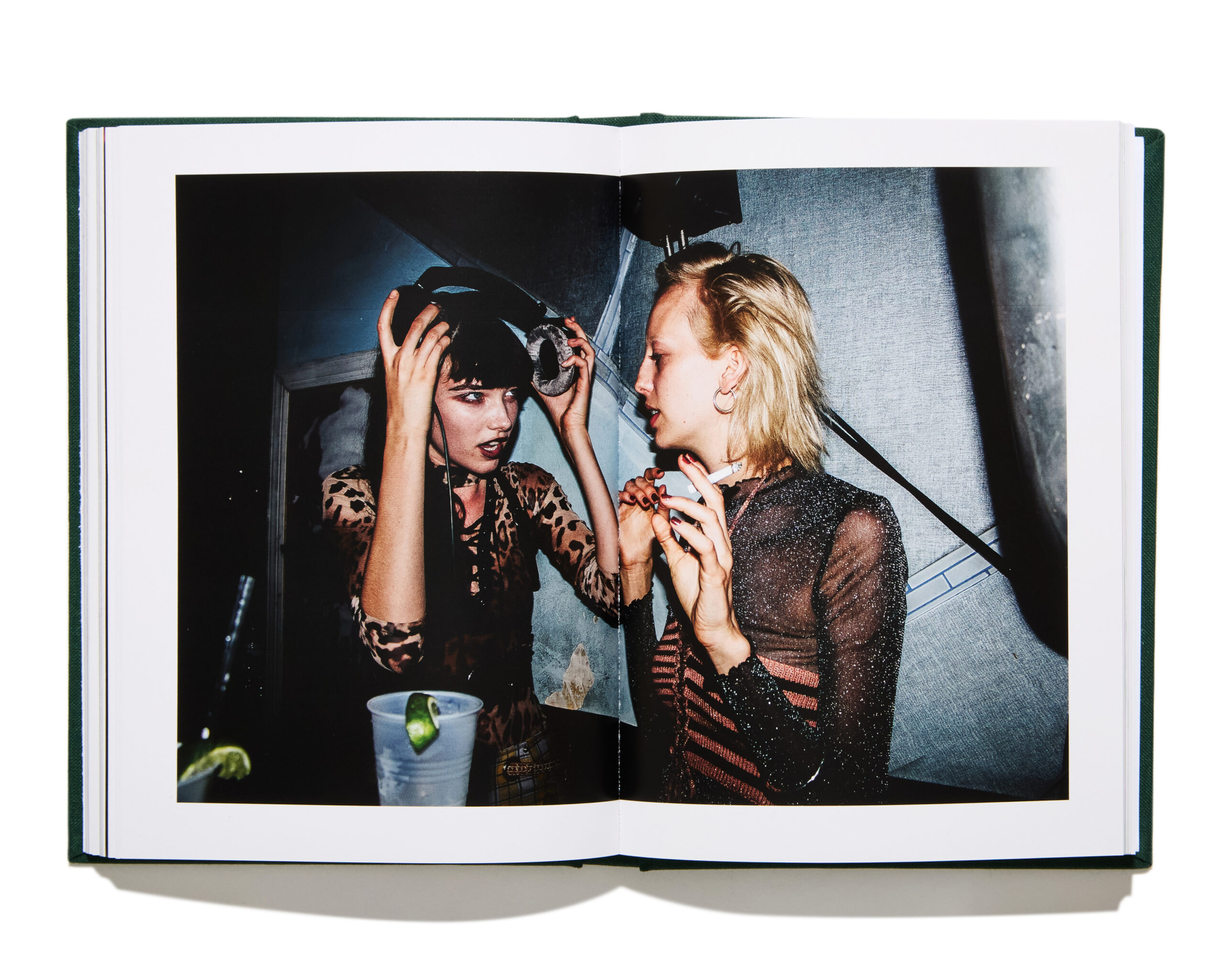
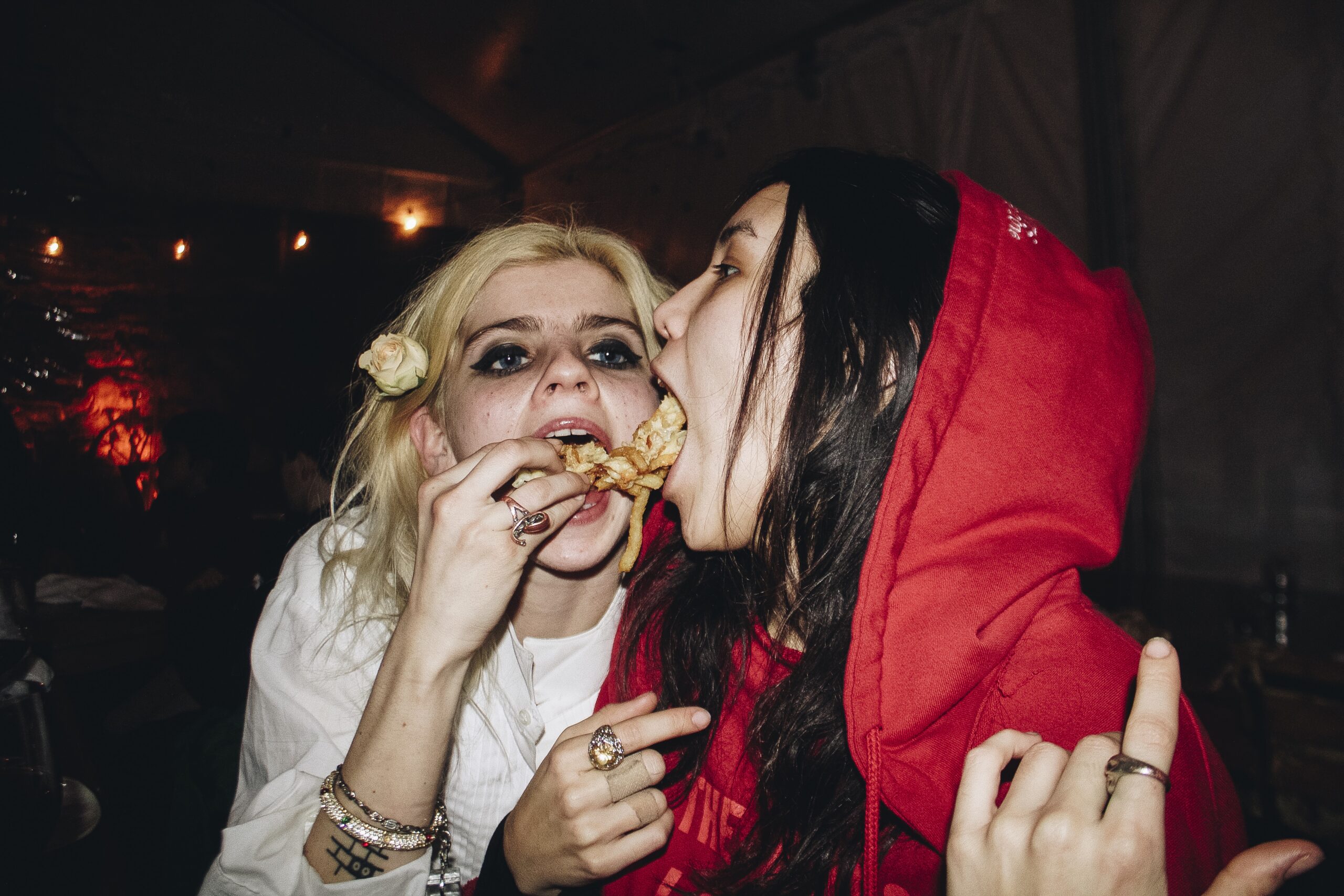
ELSESSER: What feels very sacred about that time that the book encapsulates is—
HAMPTON: We were naive to an extent.
ELSESSER: Yes, it was really just like, who’s fab? But it wasn’t a career move. That’s really important to me. Obviously, I don’t know if that’s how people are operating, but I just hope that that sentiment is understood. Not just for the younger generation, but for all generations, how to connect and have fun.
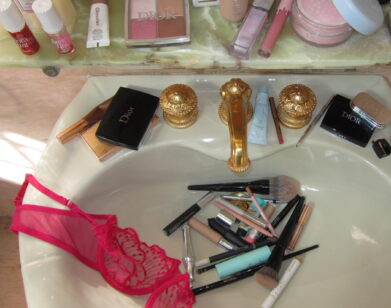
HAMPTON: For sure. I hope that too. It’s about having the discernment to say, “I like you because I love your shirt.” That’s how connections start. You notice someone’s shirt, you compliment them, and suddenly you’re connected. Not just through the shirt, but through friendship and community. I love those little moments. I’ll be in the girls’ bathroom and everyone’s talking about makeup, products, all that stuff. I love it. That sense of community is so beautiful to me. I think that’s why so many of my images are surrounded by women, because you guys just zone out over girly things like clothes and makeup. The gay in me is just like, “Ugh, this is so fab.” I love when people geek out over random shit. I really appreciate those moments.
ELSESSER: You are one of the girls. But that’s such an amazing quality that you have. It’s really interesting because your first body of work was really around queerness and the male body. But it’s funny because girls love you so, so much. I’m just so proud of you and so excited for the rest of the art that you create and bring to the world. You’re so fab.
HAMPTON: My Libra is screaming right now.
ELSESSER: And then my Aries is like, “Hiiiiii.”