


LO-FI
How Teen Suicide Outgrew the Internet That Made Them



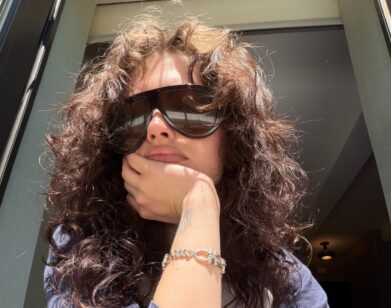
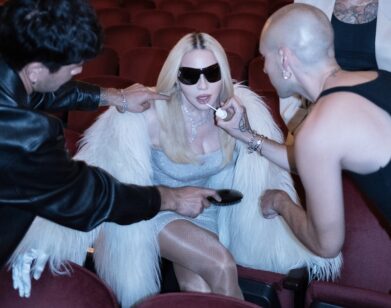
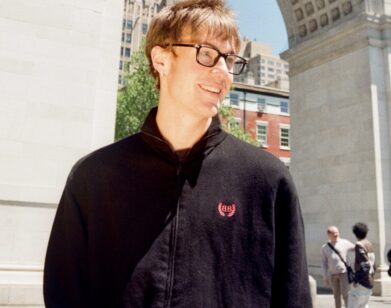
Kitty and Sam Ray of Teen Suicide.
“Can you imagine if the first thing you ever made as a teenager was the thing that people paid the most attention to for most of your life?” asked Kitty Ray, half of the indie-rock project Teen Suicide. In 2011, Teen Suicide began with unlimited internet access, uploading self-produced, lo-fi songs to Bandcamp and Tumblr from their bedrooms. They didn’t anticipate cultivating loyal fans and stubborn trolls who have stuck with them over a decade, or such extreme backlash over the band’s name (inspired by the cult classic movie Heathers). Nor did they imagine their music would matter. They were just kids using music to cope. You might recognize them from side projects like American Pleasure Club, Starry Cat, Ricky Eat Acid, and Kitty. Their lore is defined by constant disbanding and rebranding, but eventually Sam Ray and Kitty Ray settled as a duo. The two have been friends and creative partners since they started making music online, but Kitty knew they were soulmates the first time she saw him play. She left Sam a drunk voicemail saying so, and they’ve been married for ten years now. Now, Teen Suicide is all grown up, stepping away from that early-internet mythology and defining themselves in the present. Their new album, Nude Descending Staircase Headless, is proof. With their first studio-recorded album and producer, the band is pushing beyond the limits of self-production. Teen Suicide has been many things, but they’ll be the first to tell you: they’ve never been this good.
———
ALLY REAVIS: It’s a big week for you guys. How are you feeling about the new album?
KITTY RAY: We’re very excited.
REAVIS: Do you get nervous releasing an album?
SAM RAY: Making the music and then releasing it are such different things. Making it is a personal and exciting process. Then, when you release it, you’re giving it up to anyone that hears it and whatever they think of it and whatever interpretation they have of it. If you try to control that, it’ll drive you crazy. It’s exciting to reach that point where you raise a bird and throw it off the roof and watch it fly. Like, “All right, here it goes.”
REAVIS: Why did you just start working with a producer in a studio? Why this moment?
SAM RAY: The songs partly. They’re better than what we can do at home.
KITTY RAY: We spent so much time trying to make these songs work. There’s a ceiling on what you can do at home without a huge budget.
SAM RAY: It gets a push creatively by someone else, giving up that control and saying, “I don’t know what’s going to be best for these songs.” It brings out a totally different side of you, and you learn a lot. We’ve grown up, and it’s time. We still record at home, too. But for those songs, it’s what fits better.
REAVIS: How has it been working in the studio?
SAM RAY: It was a whirlwind.
KITTY RAY: We only had two weeks because it costs money. We did not have a break. It felt like I was at the most fun boot camp, but it was very magical. The biggest chunk of recording we did was in this giant church in Massachusetts with a really old cemetery in the yard. There was a lot of spiritual activity going on around it.
REAVIS: Which came first for you guys? Was it the crush or creative chemistry?
KITTY RAY: The first time I met Sam in person, he was playing a show at the venue where I worked. When I left, I had this feeling. I was like, “I think that guy is my soulmate…”
SAM RAY: She told me we’re going to get married.
KITTY RAY: Actually, it was two years later that I called you when I was wasted. I left him a voicemail because I psychically knew that me and Sam were going to get married.
SAM RAY: Then, I mean, we did get married. We got married creatively.
KITTY RAY: We were working together before we got married. But we didn’t date, we just decided to get married one day.
REAVIS: Really?
KITTY RAY: Because we were best friends.
SAM RAY: We’re at opposite sides of the same thing at times, which is helpful in any creative partnership. Having a healthy 10 years of marriage is good because she can be honest with me if something I’m excited about us doing isn’t worth the time and money we’re about to throw into it. It’s not just cheerleading for each other. It’s awesome that we’re each other’s filters. I mean, the band wouldn’t exist and be making music and touring otherwise.
KITTY RAY: He didn’t want to do it anymore.
SAM RAY: We had a thousand songs written and recorded that no one would ever hear.
KITTY RAY: Well, he got really sick. It was during COVID. We couldn’t tour for so long that we didn’t realize anybody wanted us to. Then, during the end of the pandemic, we had a big song on TikTok. We did this one show and so many more people came.
SAM RAY: It was a different vibe than anything we’d done before that. We still have a lot of the old fans, which is cool, and the ones that are new–there’s a different energy going on.
KITTY RAY: When we felt that, I was like, “Okay, I think we should maybe keep doing this. Maybe try it.”
SAM RAY: I was pushing Kitty to write more for our band instead of just performing. I know how much you’ve always wanted to do songs like this and how good you are at it. That’s around when we came up with “Spiders,” one of the first songs we wrote on this record. It was just us sitting down together and doing that and saying, “Okay, what would that sound like if I wrote a song for Teen Suicide?” That was electrifying, so we had to keep doing it.
REAVIS: That’s a bold song to step into a new sound because you scream a little bit.
KITTY RAY: Yeah, that’s what I wanted.
SAM RAY: Especially in our shows, it’s always been a balance with our older stuff. I was writing songs to record, and then we would play a show and be like, “Oh my God, how do we make these fun?” Now it’s flipped, and we’re writing songs because it’s like, “Oh my god, we’re going on tour and we have all this music.” That’s how this album developed, which is neat.
REAVIS: How has it been moving out of that internet era and being defined by that? Like you were saying, it’s a different vibe now.
KITTY RAY: Well, we’re adults. How people perceived us for a long time was outside of the context that we were growing up. Both of us had difficult lives and little adult guidance. We both grew up with pretty much unfettered access to the internet. People know things about us that you don’t know about the average person. It took us both a long time to cope with that. I’ve been in therapy for a long time because of things that happened on the internet. Both of us have gone through things that a lot of people would never understand, only because we were teenagers creating things. Most people’s bands come out with their first studio album, and that’s the first one everyone hears. But Sam and I got popular off the literal first try of the first music.
SAM RAY: I wasn’t even trying to have people hear it.
KITTY RAY: Me neither. Can you imagine if the first thing you ever made as a teenager was the thing that people paid the most attention to for most of your life? Getting through all that trauma and releasing the perceptions that other people have about us so that we can be our own people and define ourselves–that’s why it feels different now. We grew up and decided to take charge of who we are and bring our authentic personality to something.
SAM RAY: Being a normal band that gets to do cool stuff with a label and a healthy group of people, you don’t have to exist on the internet.
KITTY RAY: We’ve outgrown that.
SAM RAY: We make music because it’s what we love. It’s exciting that people want to hear it at all. We’re grateful.
REAVIS: How do you feel about the name Teen Suicide now?
SAM RAY: It’s a complicated thing. When you’re a kid, you don’t think about it. We just named our band after a movie. Then you’re like, “Oh, this is bringing up something very heavy and bad for people.” We meet people at our shows who have gone through horrific shit, sometimes the same stuff we’ve been through, and we wrote music to cope with. They found the music for these reasons and it helped them the same way. You form these connections and bonds, so there’s this positive side to it we never imagined. We thought, if we’re going to be this band and this is what people want, how can we use that as a good thing? That these people are finding our band in these dark moments? We’ve gotten to work with some cool organizations that do suicide prevention, teen suicide prevention, youth, and LGBT-focused suicide prevention.
REAVIS: Is there anything that you guys wanted to get out there before we end?
KITTY RAY: Stop the wars in Iran.
SAM RAY: Also, on a lighter note, we have never sounded this good ever before.
KITTY RAY: Our live show is crazy. I don’t even feel bad saying that we’re one of the best live bands I’ve seen. No one has seen our new lineup yet, so no one can even refute what I’m saying right now.
SAM RAY: I can’t wait for people to hear how these songs sound and how our old music sounds done this way. We’re doing songs we’ve never been able to play live before that people love from our old records. It’s very cool.