


MOTHER
“Before He Tells Me to Fuck Off”: Annie Collinge on Photographing Her Son


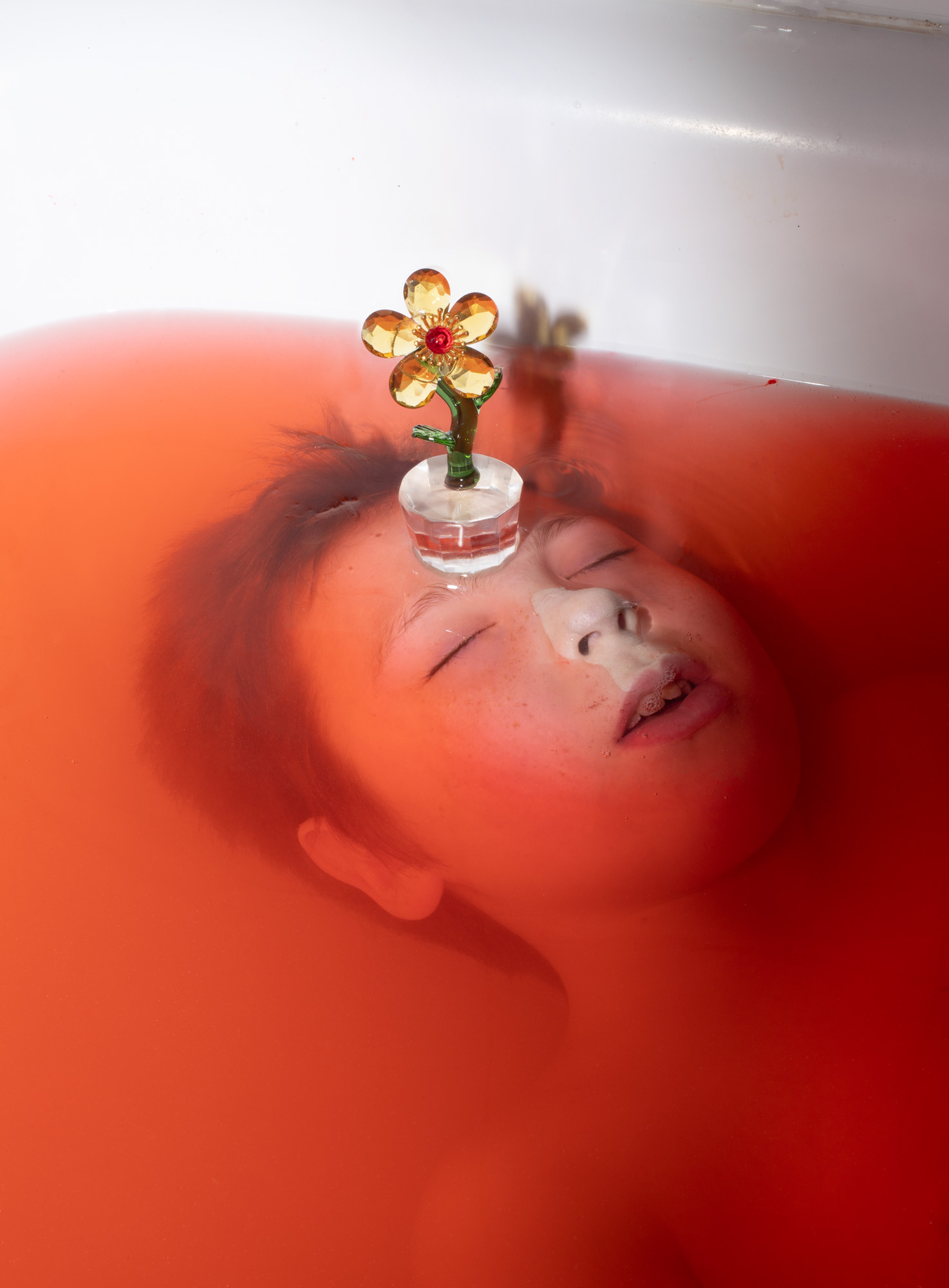
Annie Collinge has always made pictures that feel like they shouldn’t quite exist. The British photographer has spent years building a practice around the things most people walk past, objects salvaged from street markets and pavements, assembled into scenes that land somewhere between joyful and faintly wrong. It’s gotten her through the doors of Gucci and Kenzo, editorial spreads in Vice and Luncheon, and a reputation for work that’s hard to shake once you’ve seen it. Someone once told her it was “sweet and a little bit sad.” She’s never argued with that. Her new photobook, Ask Alexa: When Are We All Gonna To Die Tomorrow 🙂, takes all of that and points it somewhere more personal: at Cas, her 12-year-old son, caught in that strange moment just before adolescence closes the door on childhood. It’s part collaboration, part time capsule, made at home with zero pressure by a mother who also happened to need a human in the frame.
Photographic book by artist Annie Collinge
RICHARD TURLEY: The title comes from something Cas wrote to himself. What did you recognize in that note that made it feel like it could be the center of a whole book?
ANNIE COLLINGE: He writes himself reminders on Post-it notes and leaves them by his bed. He worries about a thought slipping away and never knowing the answer. “Ask Alexa” feels like such a real marker of time to me. I didn’t grow up with anything like that in my own childhood. And what he wrote has this kind of doomsday feeling to it, which I thought fit perfectly with the pictures being a bit claustrophobic.
TURLEY: That claustrophobia feels deliberate. You’ve said you didn’t want to make a sentimental or idealized “childhood” book. What were you pushing against?
COLLINGE: When I first started out as a photographer, my work confused people. A lot of commercial photography at the time had this very romantic feel—snapshot style, natural light, soft focus, people in nature with wispy wind-blown hair. Photographers did it with their own kids constantly. It always felt like a sterilized version of what bringing up a child is actually like. Because it can be so brutal.
TURLEY: Can you say more about what you mean by “brutal”?
COLLINGE: I guess mainly the relentlessness of it. Before you have a child you can remain in your own bubble. You hang out with people you chose to, you go to places that have food you like, not just because they give your child crayons so you can have 3 minutes peace to gulp down your lunch. Suddenly you have to join society in a way you weren’t expecting, and that can be brutal. I wanted to approach making pictures of a child the same way I approach anything: start with a very constructed idea and then see how it contorts in the making of it.
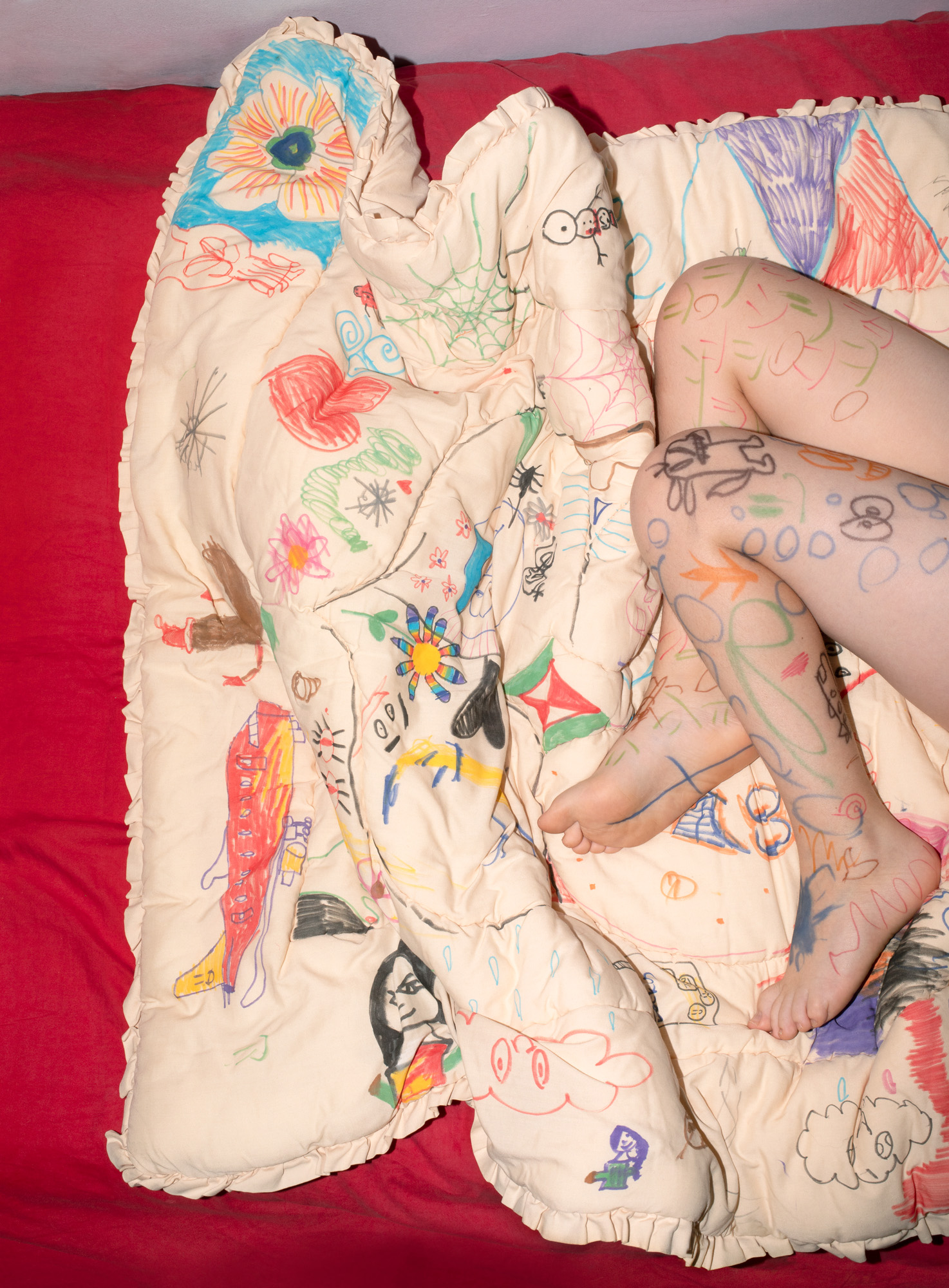
Photographic book by artist Annie Collinge published by Jeremy & Jane
TURLEY: How did becoming a mother change the way you even look at images, before you’d picked up the camera?
COLLINGE: I had a lot less time and I was a lot more tired. Nature brainwashes you into being completely obsessed with your child, but you have to keep reminding yourself that other people don’t give a shit about your parenthood journey. You have to work out how to draw them in.
TURLEY: What does photographing Cas let you see that you’d otherwise miss in the day-to-day of parenting?
COLLINGE: It’s shown me that he has ideas too. It’s not just me forcing my weird scenarios on him. I can see he understands the things that make me visually tick. Sometimes he finds things in the street he thinks I might like, and he’s always right. A pair of weird blue plastic shoes with crystals. A tiny dog for the dolls house I’ve been renovating.
TURLEY: Is there a tension between being present as a parent and stepping back as an observer to take a picture?
COLLINGE: Most pictures are achieved with pure bribery, so I guess there’s an element of guilt, that I’m putting my parental rules aside to get the picture I want.
TURLEY: Are you conscious of making images for Cas, for when he’s older? Or are they primarily for you?
COLLINGE: Cas is 12, and will just turn 13 when the book comes out, so it feels like a little window of time before puberty has properly kicked in. I always think of that Sally Mann picture, The Last Time Emmett Modeled Nude, because it’s that moment before you start hating your body, when you’re still unselfconscious and smooth.
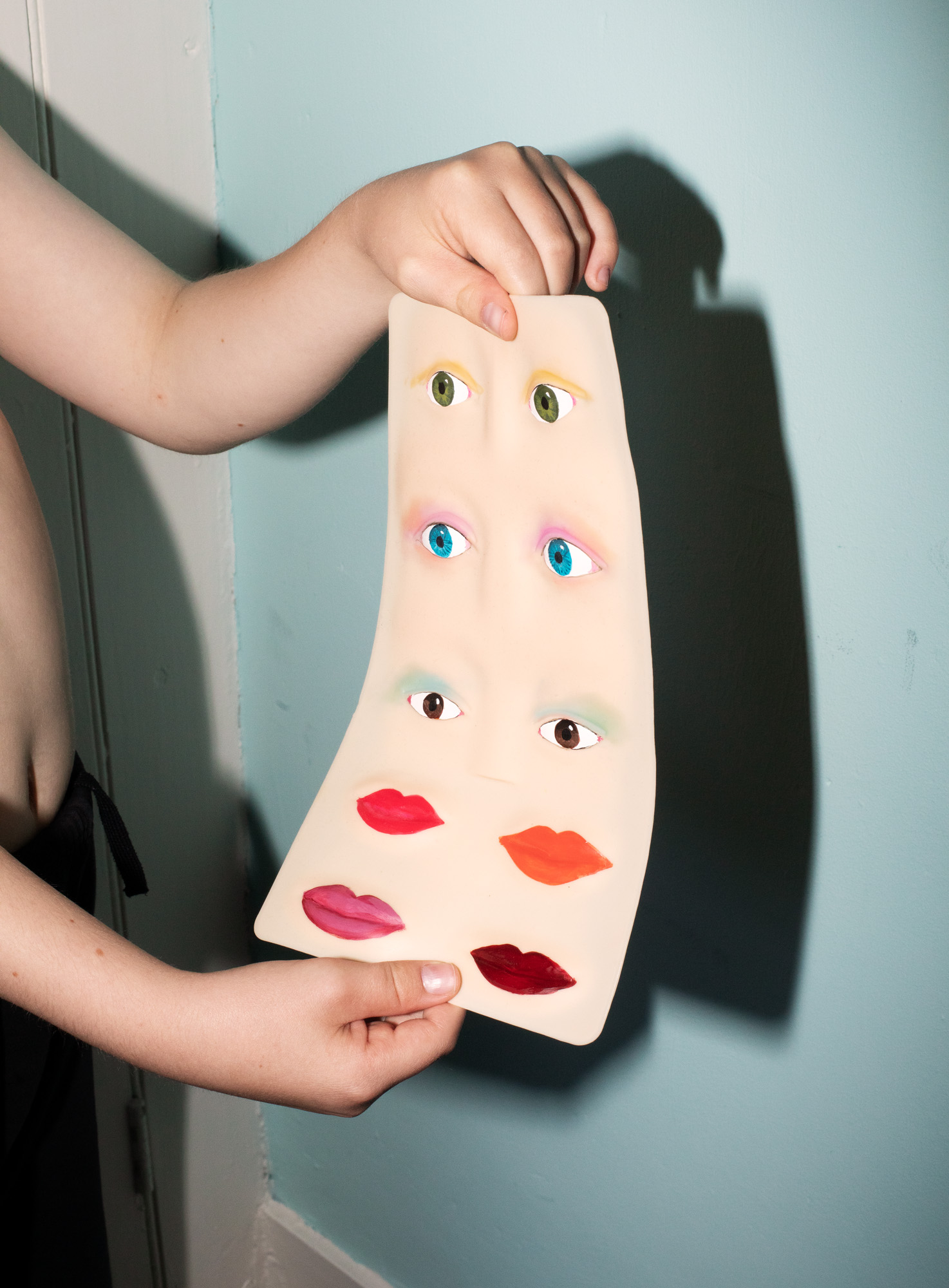
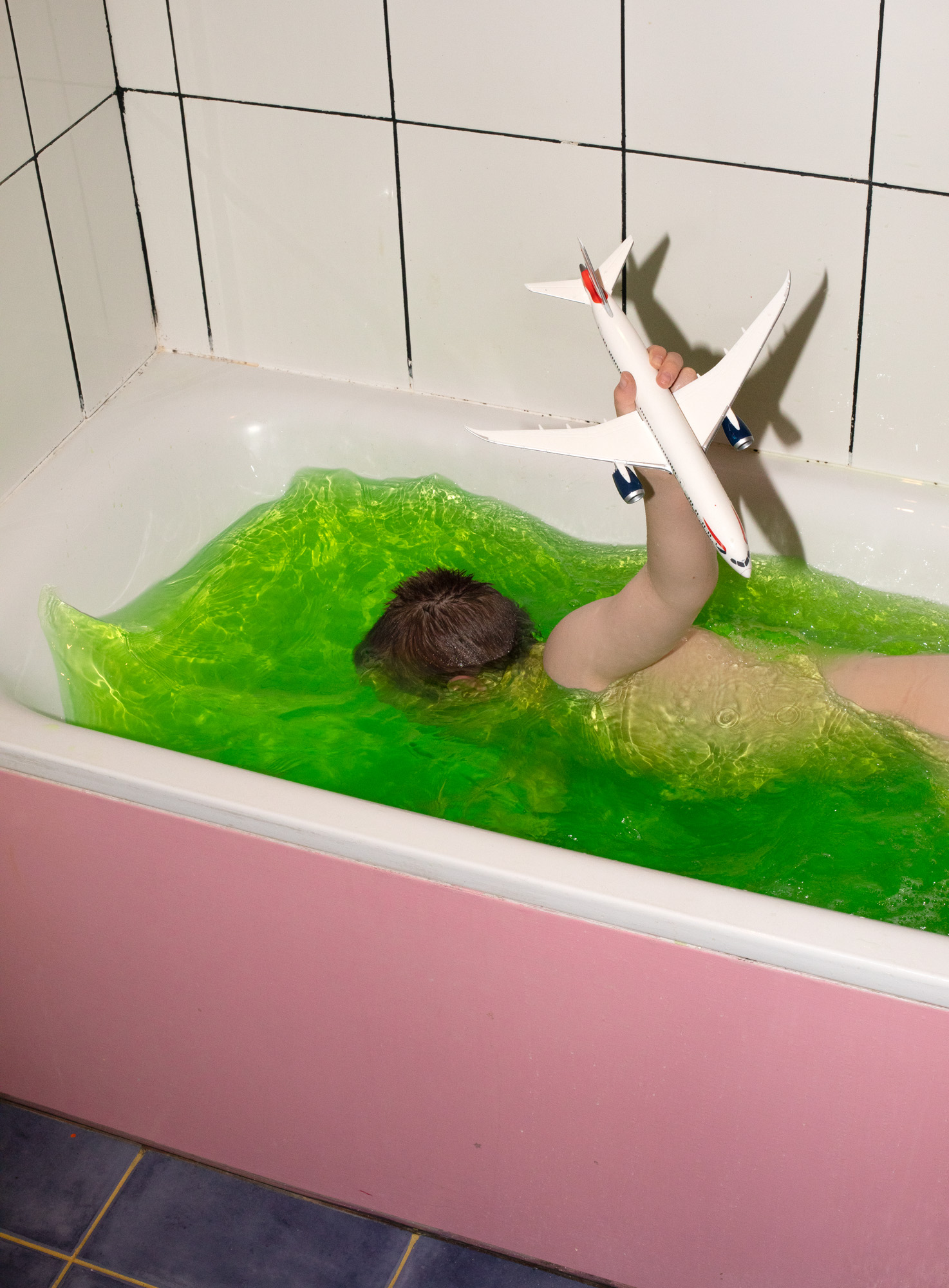
Photographic book by artist Annie Collinge
TURLEY: Do you feel any of the same tension Mann did around photographing a child so directly—the question of exposure, of what you’re allowed to show?
COLLINGE: I think I was more frightened to be as direct as her, I was scared of people making judgements about him, which stems from my own insecurities. I had trouble with taking really direct portraits of him. I felt that they were too exposing somehow for this project.
TURLEY: How do you get distance when you’re editing work this close to your own life?
COLLINGE: I came up with an idea and then “hosed it down,” as the paparazzi say. It was very obvious which pictures were right. I’ve always found editing my own work easy.
TURLEY: What’s the difference, for you, between photographing Cas and photographing anything else?
COLLINGE: Honestly, not that much. That was almost the point. I wanted to make a book about experiments, playing around with ideas floating in my head, at home, with zero pressure. I wanted a human in it, and it was kind of a no-brainer to use him.
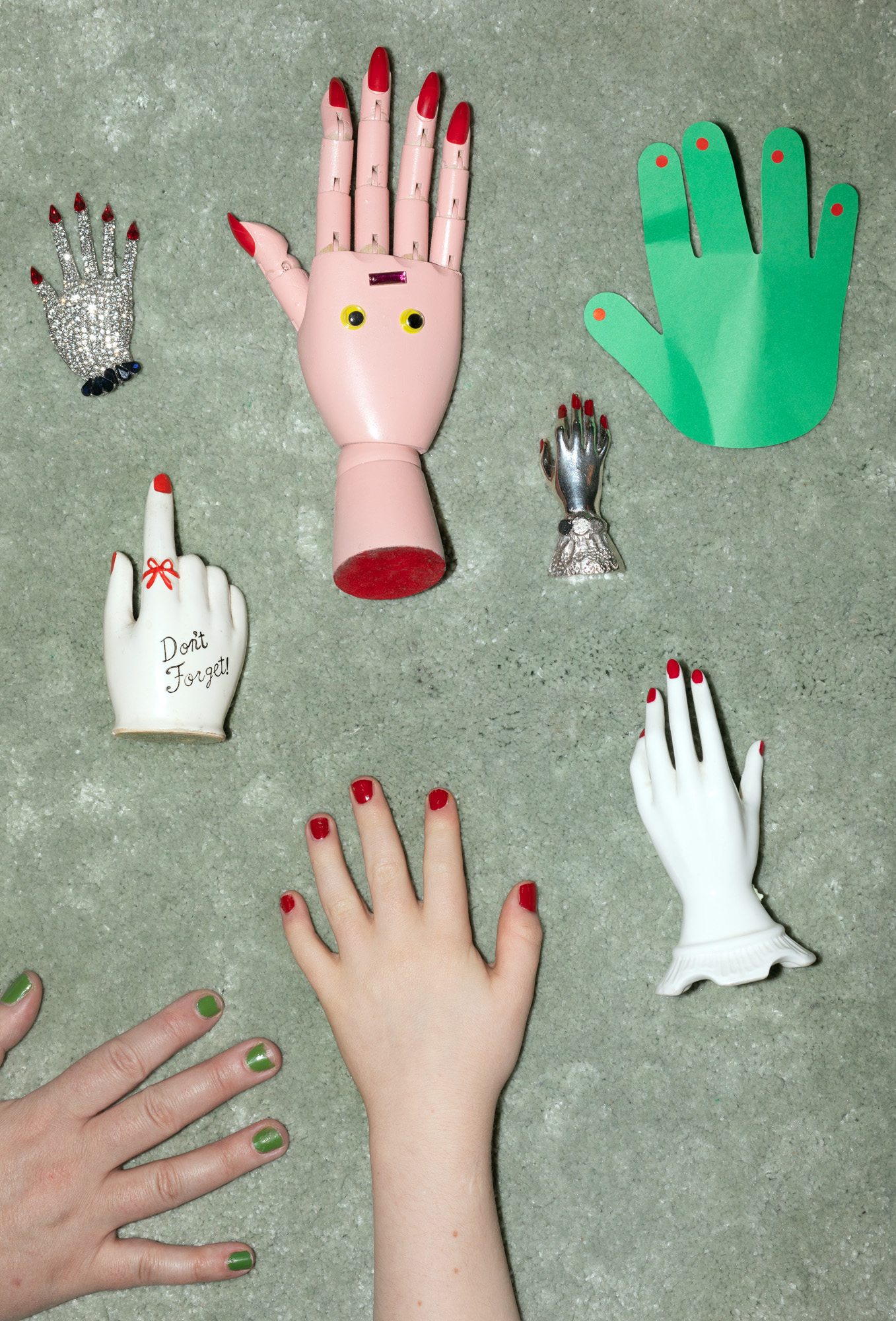
Photographic book by artist Annie Collinge
TURLEY: That’s quite a cool way of describing your own son, “a human.” Do you think that slight detachment is actually what makes the pictures work?
COLLINGE: I think it’s always helpful to try and detach yourself when making an image so you can see it more objectively. Obviously you come to any situation with baggage and your own lived experience, but I think it’s good to be aware of it.
TURLEY: Is there a sadness in that for you, or does it feel more like a natural thing you’re already making peace with?
COLLINGE: I would definitely say there is a sadness to these pictures, as I guess they signify the end of him being a kid, and the beginning of his own trip into working out how to be an adult. I still have trouble myself, working out how to be one. I would like to photograph him through his adolescence, but even towards the end of making this book, he was becoming less and less enthusiastic about posing for me so I guess we will have to see how that works out. I hope he sees it as me trying to connect with him. Something we made together. A document of a certain period in our life together. Before he’s just staying in his room gaming and telling me to fuck off.
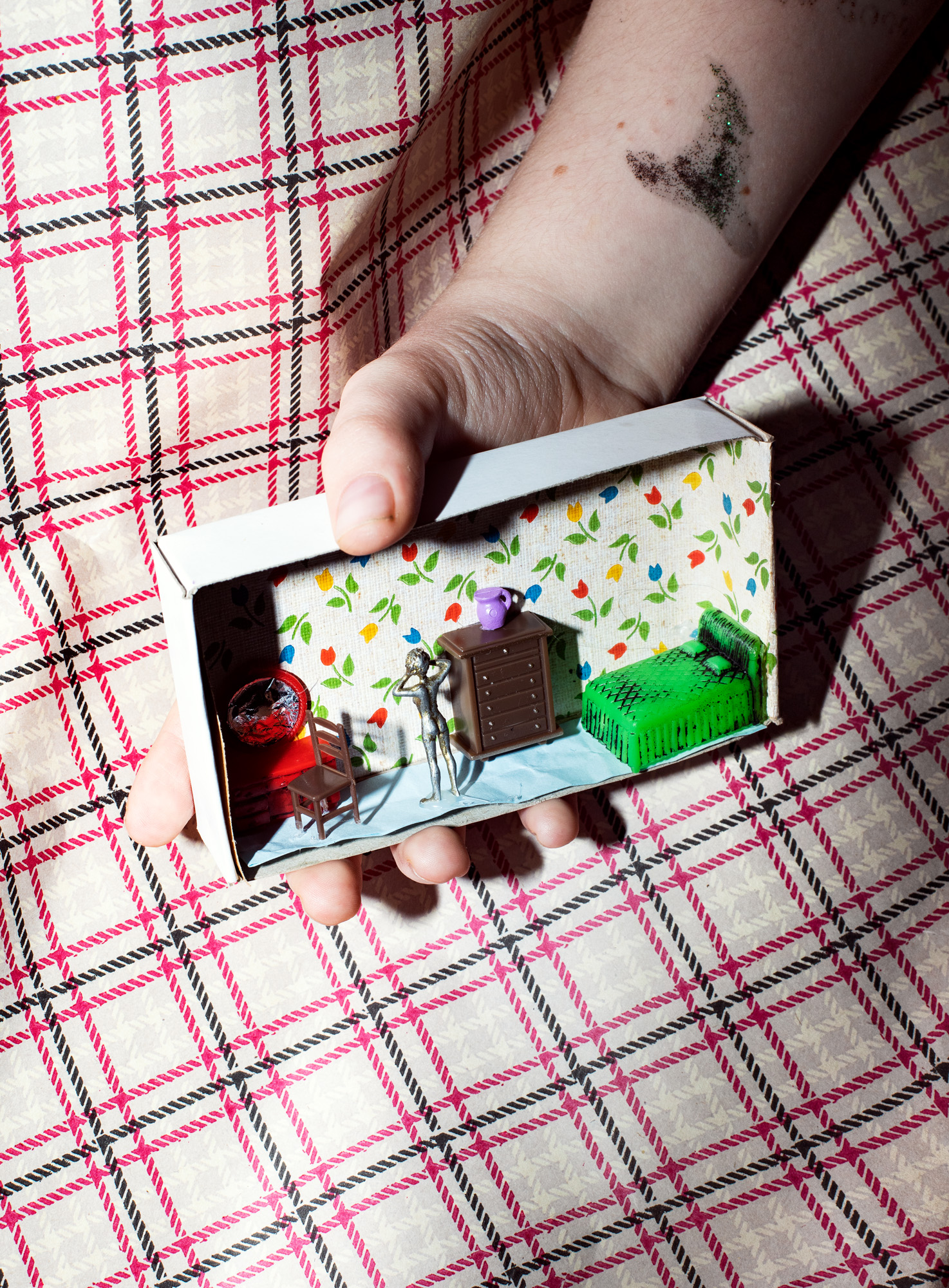
Photographic book by artist Annie Collinge published by Jeremy & Jane
TURLEY: Are there images that feel like they’re in conversation with your younger self as much as with Cas?
COLLINGE: Definitely. A lot of what I’m drawn to photographing now are things I was obsessed with as a kid. Silly putty, translucent things, miniature cheap stick-on gems, making potions. The little plastic balls inside pen ink cartridges.
TURLEY: Can you ask Cas what he thinks of the book and working with you?
CAS: I think the book will be a big hit as mum is the professional when it comes to photography. Working with mum was a big laugh she’s so enthusiastic and open to doing pictures and makes it a fun activity. The book also has a range of strange, but mesmerizing photographs any person who reads this will get immediately sucked in. I just want to say that I have loved working with her.