





POET
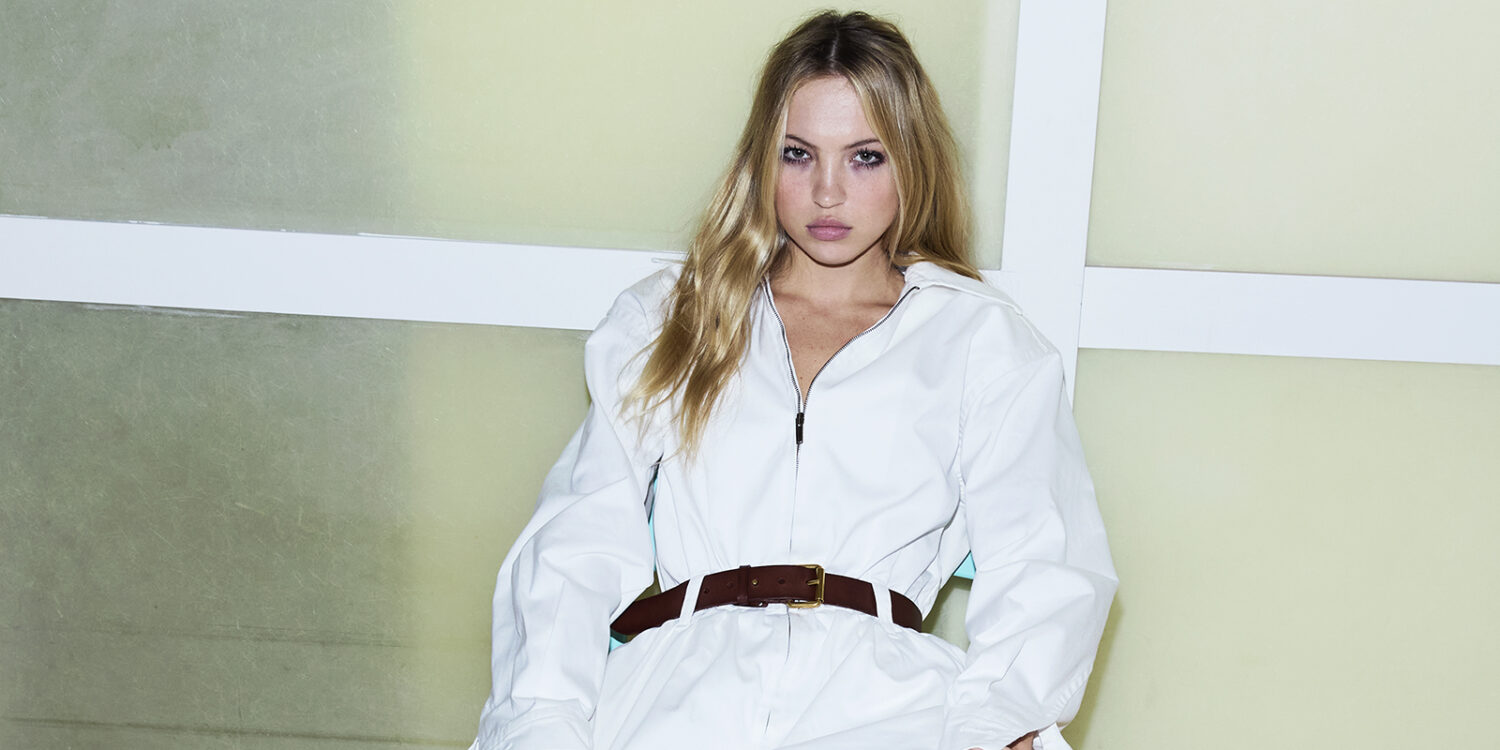
Riley Mac and Coco Gordon Moore on Poetry, Nose Drugs, and Nostalgia
April 17, 2024
“I wrote pretty much all these poems in active addiction,” the writer says of “In My Car,” her new chapbook. “There’s moments of me trying to grasp for clarity.”
Venice Biennale
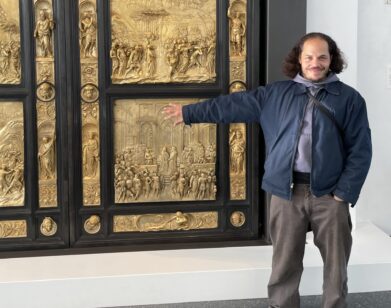
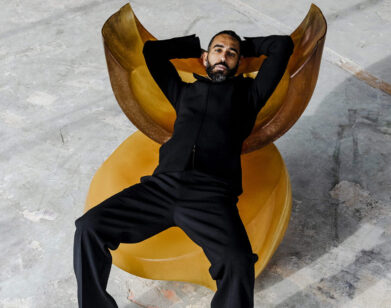
“I’m Happy to Be an Object”: Miles Greenberg, in Conversation With Klaus Biesenbach
April 17, 2024
“I feel I’m quite happy to be an object,” the artist told Klaus Biesenbach ahead of his ambitious performance at Palazzo Malipiero. “I think that’s always the goal, in a way.”
RUNWAY
“Was She Wearing Florals for Spring?”: Dara on Dior Fall 2024
April 16, 2024
Taylore Scarabelli called up our fashion director to talk top hats, tuxedos, and fashion as art.
THESPIAN
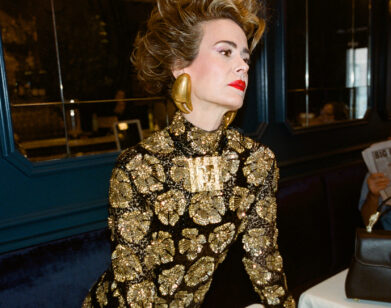
“What Are You Laughing At?” Sarah Paulson, in Conversation With Pedro Pascal
April 16, 2024
Friends since they were coming up in New York in the early ’90s, the two actors reunite to reflect on those years and how much—and how little—has changed since.
Search History
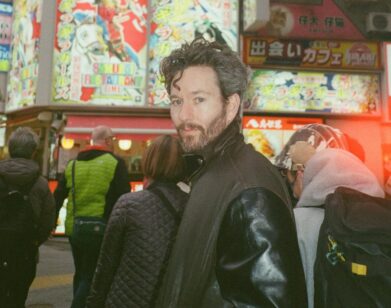
Tiktokker @IsaacLikes_ Sees You Asking for Feet Pics
April 16, 2024
“If you are waiting in line for a food item in New York City, you should really reevaluate your life choices,” says the fashion blogger and man-about-town, who joins us for this week’s edition of Search History.

TOUR DIARY
Teezo Touchdown Takes Amsterdam’s Red Light District
April 16, 2024
“We make sure we have four bouquets of flowers backstage,” said the rapper-rockstar as he concluded the European run of his first headlining tour. “That’s mandatory.”
AMY
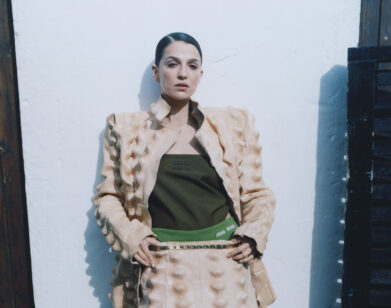
Marisa Abela Tells Myha’la Herrold How She Found Amy Winehouse
April 15, 2024
After fending off considerable anxiety, the British actor accepted the lead in the new biopic “Back to Black,” and jumped headfirst into the role of the late R&B icon. Here, she tells her “Industry” costar how she pulled it off.
MORNING AFTER
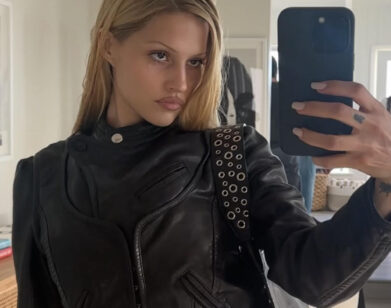
Gabbriette Tells Us How Isabel Marant Girls Prepare for Coachella
April 15, 2024
The morning after Isabel Marant’s star-studded 30th anniversary fête, we called the model (and girlfriend of Matty Healy) to talk Coachella and Malibu monkeys.
SOUND ADVICE
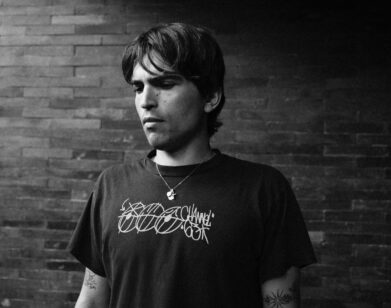
Superproducer Vegyn Tells Us His Musical Red Flags
April 15, 2024
To celebrate his new album, “The Road to Hell Is Paved With Good Intentions,” the 31-year-old British producer curated us a playlist of smooth, electronic jams.
RORSCHACH TEST
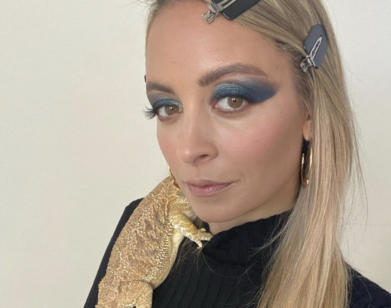
Nicole Richie on Coachella, Kathy Hilton, and Calling the Paps
April 15, 2024
To mark her starring role in the remake of “Don’t Tell Mom the Babysitter’s Dead,” we asked the reality TV icon to take the hot seat for this week’s Rorschach Test.
LAUGH
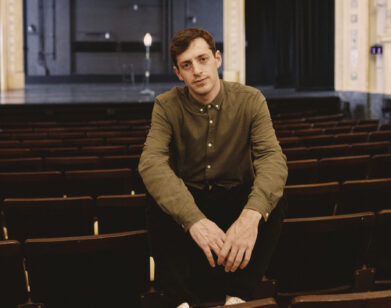
“You Made Me Want to Be a Comic”: Alex Edelman, in Conversation With Denis Leary
April 15, 2024
“I’ve done solo shows before, but nothing’s ever gone like this,” says the 35-year-old comic, whose smash-hit one-man show “Just For Us” is now streaming on Max.
LIT
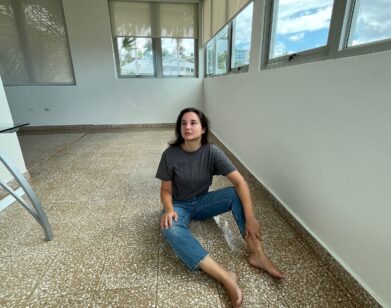
Marissa Higgins on BookTok, Lesbian Fiction, and Her Debut Novel
April 12, 2024
Before the publication of her debut novel “A Good Happy Girl,” author Marissa Higgins told us why the book’s protagonist isn’t an easy sell.
tour diary
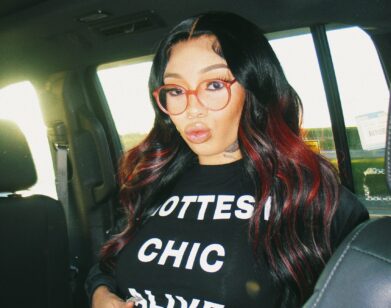
“Pray, Smoke, Take a Shot”: Anycia Takes Us Backstage at Her NYC Show
April 12, 2024
The Atlanta rapper called us from the hair-braiding salon to talk about falling in love with New York City on tour and tell us her backstage tequila of choice.
BACKSTAGE
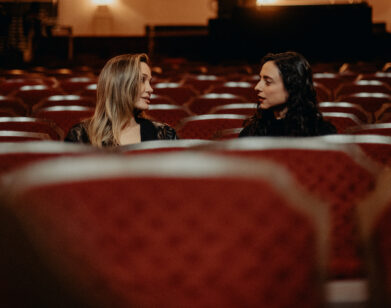
Danya Taymor and Angelina Jolie Take Us Inside The Outsiders
April 11, 2024
As they put the finishing touches on their ambitious new Broadway show, Taymor and Jolie got together to talk about building character, embracing collaboration, and why the story stands the test of time.
HEARTTHROB
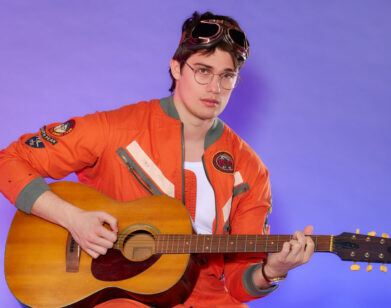
Nicholas Galitzine and Anne Hathaway Give Us a Lesson in Chemistry
April 11, 2024
The “Idea of You” costars show off the connection that makes them such a compelling onscreen couple.

SOUND ADVICE
Live Coder DJ_Dave Is Logged In to the Algorave Afters
April 11, 2024
The producer and sound selector made us the ultimate futuristic fembot playlist, featuring Kelela and Charli XCX, and tells us who to fear when the machines take over.
NOSTALGIA
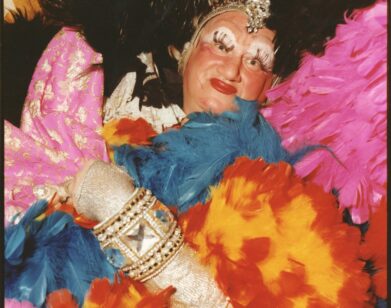
Photographer Jason Byron Gavann Takes Us Inside Boston’s Unsung Queer Scene
April 11, 2024
“All my friends were transforming themselves from boys to girls,” says the artist, whose photographs of 1970s Boston nightlife are on display at the Tufts University.

SHARE LOCATION
Vinnie Hacker’s Essential Tokyo
April 10, 2024
In town for the Crunchyroll Anime Awards, the gamer, model, and manga megafan takes a bite out of the Big Mikan.
LESSON
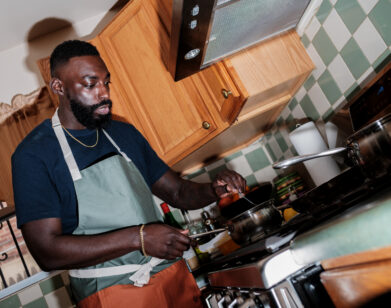
Chef Eric Adjepong Shows Us How to Perfectly Sear a Scallop
April 10, 2024
In his mother’s kitchen in the Bronx, the “Top Chef” finalist showed us how to make a dish that defines his particular culinary fusion of New York and West Africa.
IN CONVERSATION
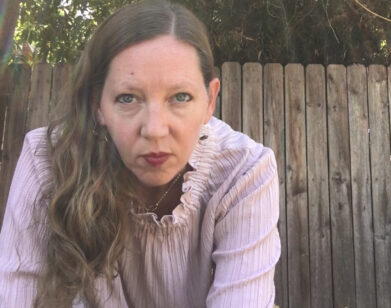
For Maggie Nelson, Criticism Is an Expression of Love
April 10, 2024
“Part of my critical practice,” the writer tells director Mike Mills, “is that only things I thought were great and needed more light on them merited the powers of my attention.”
