







CAPSULE
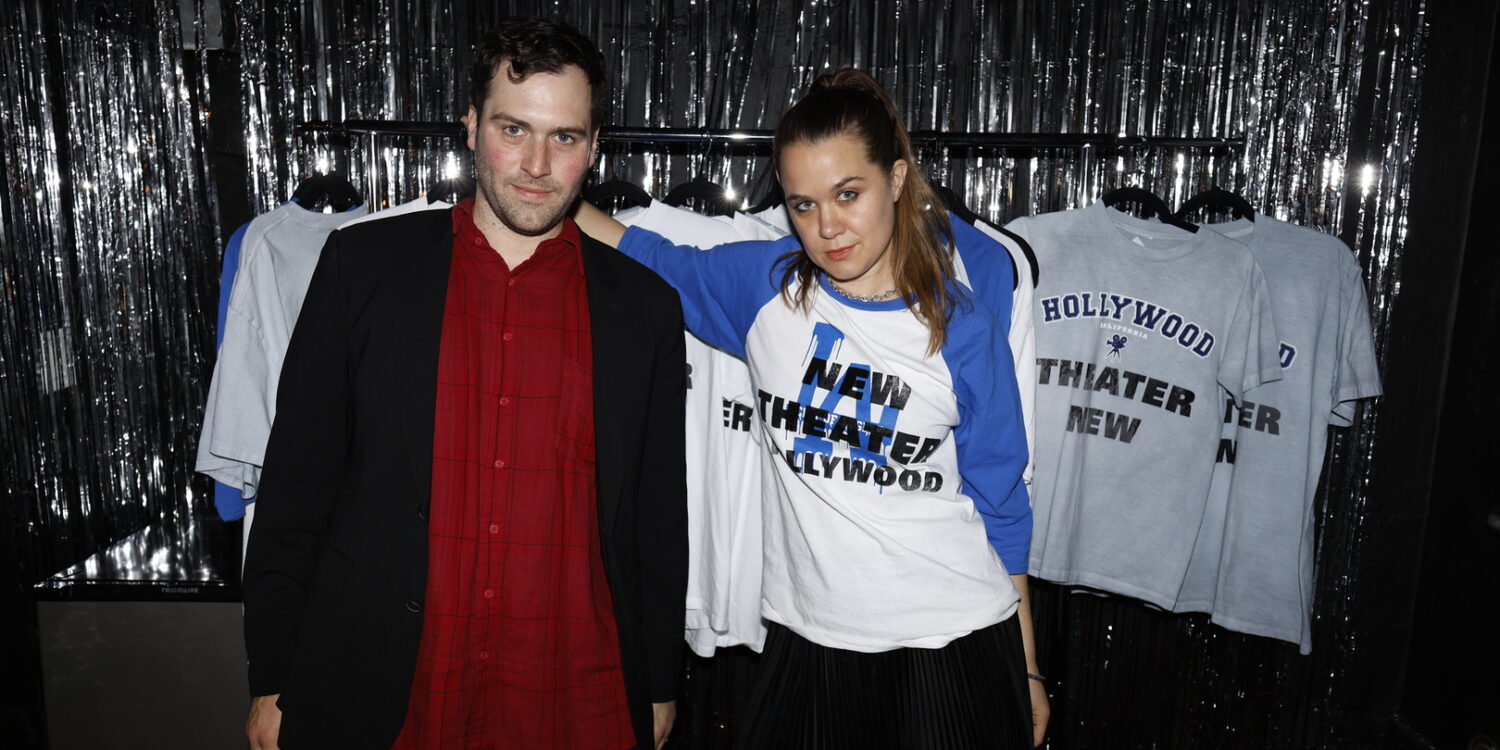
Nadia Lee Cohen on Her Sexy Shoe Collab With Paris Texas
April 24, 2024
At the Chateau Marmont, our editor-in-chief caught up with the photographer and artist about her capsule collection with Italian footwear brand Paris Texas.
SALONE
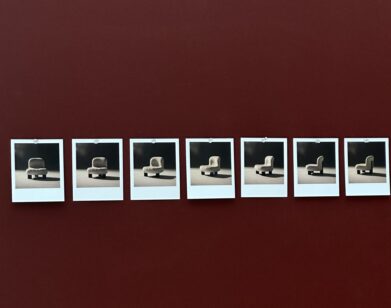
Loro Piana Delivers a Cozy Tribute to Cini Boeri at Milan Design Week
April 24, 2024
As the late designer would advise, quality is the ultimate luxury.
SALONE
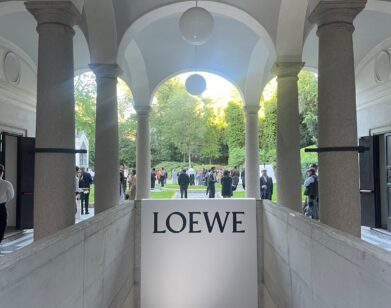
At “Loewe Lamps,” Brutalism Meets Poetry in Milan
April 23, 2024
At the Loewe Lamps presentation at Salone del Mobile, spatial juxtaposition “projected the exhibition into a sort of fine-art canon,” writes Federico Sargentone.

BACKSTAGE
Eden Espinosa Isn’t Afraid to Play Unlikable Characters Anymore
April 23, 2024
The actor, who currently stars as Tamara de Lempicka in the original Broadway musical about the art deco painter, talked to us about embracing characters who don’t summon the audience’s sympathies.
SALONE
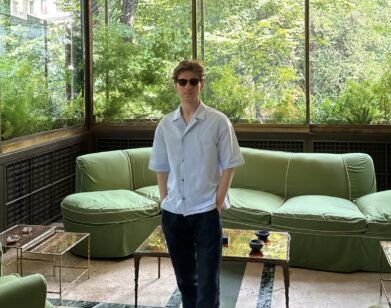
Lucas Oliver Mill of @CollectorWalls Paints Milan Red at Salone
April 22, 2024
In Milan for Salone del Mobile, we talked design dreams and interiors icks with the man behind the beloved Instagram account @CollectorWalls.
SOUND ADVICE
Shane Lavers of Chanel Beads Trusts His Uber Driver With the Aux
April 22, 2024
For this week’s SOUND ADVICE, the NYC-based producer and scenester curated a sentimental playlist to mark the release of his debut album, “Your Day Will Come.”

SOUND ADVICE
Shoegaze Princess Wisp Makes Us the Ultimate Grunge Playlist
April 19, 2024
In this week’s SOUND ADVICE, TikTok’s shoegaze princess opens up her Pandora’s box and tells us the songs that make her cry and what she’ll be wearing when the world ends.

IN CONVERSATION
Ella Purnell Takes Chloë Grace Moretz Into the Wasteland
April 19, 2024
“Being a child actor fast-tracks you to this path of self-love,” says the “Fallout” star. “Otherwise, I really don’t see how you could survive in this industry.”
LIT
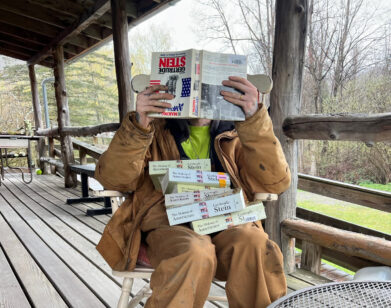
Walt John Pearce and Honor Levy on Potties, Performance Art, and Gertrude Stein
April 19, 2024
From a Walmart in Upstate New York, the writers discuss a forthcoming 52-hour marathon reading of “The Making of Americans.”

PRESENCE
Curator Legacy Russell Unpacks the Meaning Behind Black Meme
April 19, 2024
“One of the problems with Black representation is speed, and we deserve slowness.”
LADY
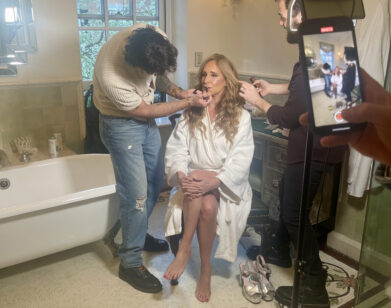
Sonja Morgan Spills Her Secrets in the Uber to Her Caburlesque Show
April 19, 2024
Before back-to-back caburlesque performances, the Real Housewife of New York invited us to her famous five-bedroom townhouse for an hour of gossip and grooming.

LIT
Nicolette Polek Found God in a Dilapidated Opera House
April 19, 2024
Just before the publication of her novel “Bitter Water Opera,” the author talked to us about converting to Christianity and living off the land.

MODEL
Lila Moss Loves Matcha, Movies, and Devon Lee Carlson
April 18, 2024
The 21-year-old supermodel-in-the-making calls up her bestie from a hotel room in Paris.

IN CONVERSATION
Olivia Erlanger Invites Aubrey Plaza Inside Her Industrial Futurama
April 18, 2024
Before the opening of her debut solo show at the Contemporary Arts Museum, the artist talked to Aubrey Plaza about haunted appliances and pill-popping housewives.

come-up
How 1010Benja Went From Church Boy to Hitmaker
April 18, 2024
“What an artist does, now more than ever, needs to hark towards freedom,” says the singer-songwriter of his major label debut. “It’s not enough to have talent.”

HOT SEAT
“Fuck a Day Job”: Sematary Takes the Proust Questionnaire
April 18, 2024
What’s the best way to get to know the elusive 23-year-old rapper? In the mountains of upstate New York, we asked him to complete the infamous Proust questionnaire.

CHEF
benny blanco Serves Ali Wong His Spiciest Food Takes
April 17, 2024
One of pop music’s most prolific hitmakers is also die-hard food fanatic on the verge of publishing his first cookbook. Here, he connects with his friend to share the culinary dos and don’ts he lives by.
POET
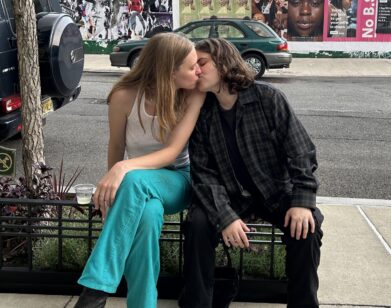
Riley Mac and Coco Gordon Moore on Poetry, Nose Drugs, and Nostalgia
April 17, 2024
“I wrote pretty much all these poems in active addiction,” the writer says of “In My Car,” her new chapbook. “There’s moments of me trying to grasp for clarity.”

IN CONVERSATION
Alex Sharp Tells Carey Mulligan How He Faced Mortality for 3 Body Problem
April 17, 2024
The quiet MVP of the hit series “3 Body Problem” connected with the “Maestro” actor to talk about working with death doulas and designing handbags in his spare time.
Venice Biennale
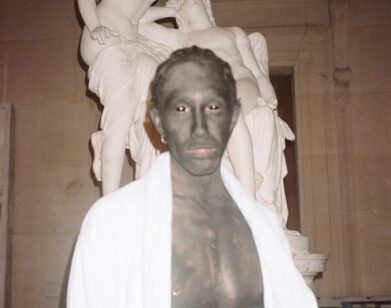
“I’m Happy to Be an Object”: Miles Greenberg, in Conversation With Klaus Biesenbach
April 17, 2024
“I feel I’m quite happy to be an object,” the artist told Klaus Biesenbach ahead of his ambitious performance at Palazzo Malipiero. “I think that’s always the goal, in a way.”
